The Weight Loss category comprises pharmacological agents for reducing body fat percentage, operating through four distinct mechanisms: sympathomimetic thermogenesis, appetite-regulating incretin agonists, central appetite suppression, and thyroid hormone substitution.
Active Substance Classes and Mechanisms
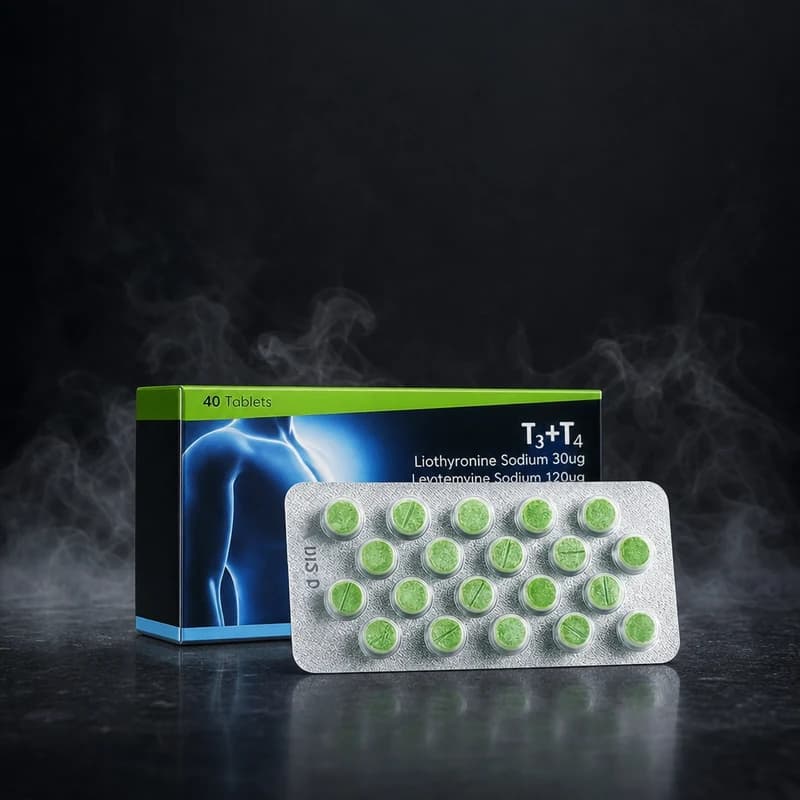
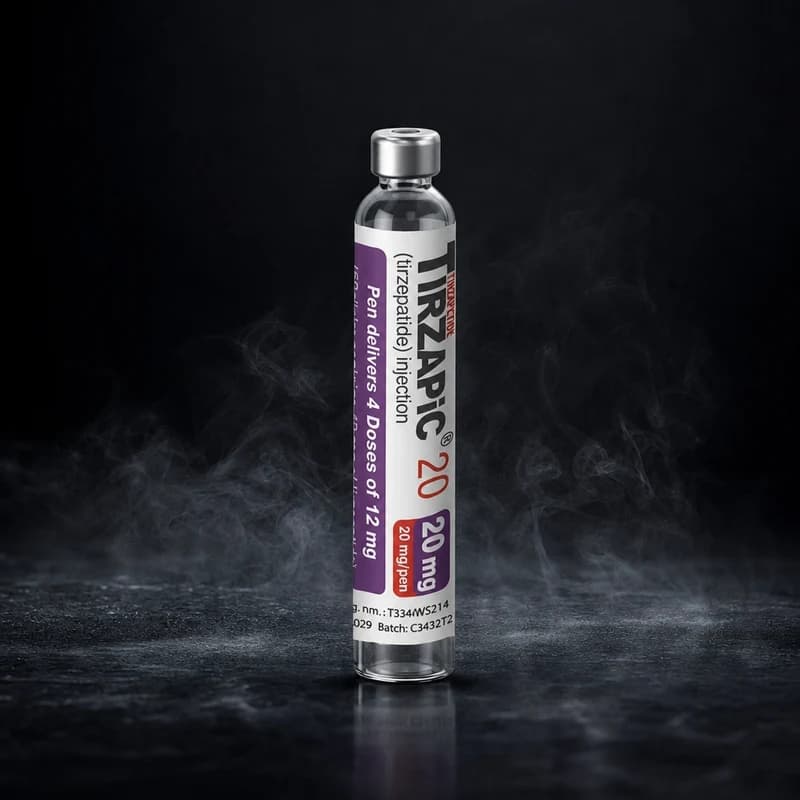
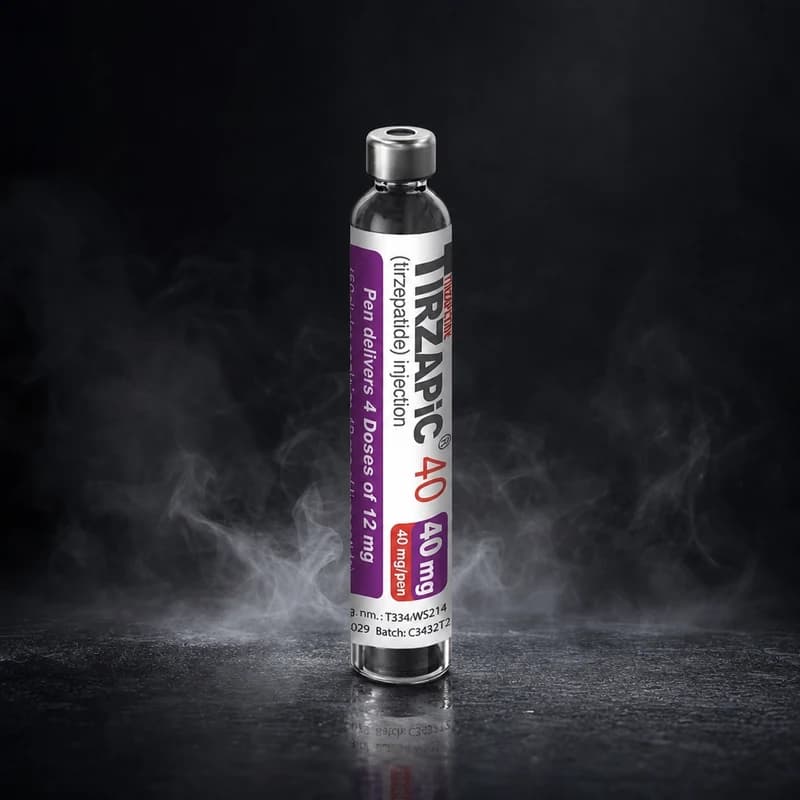
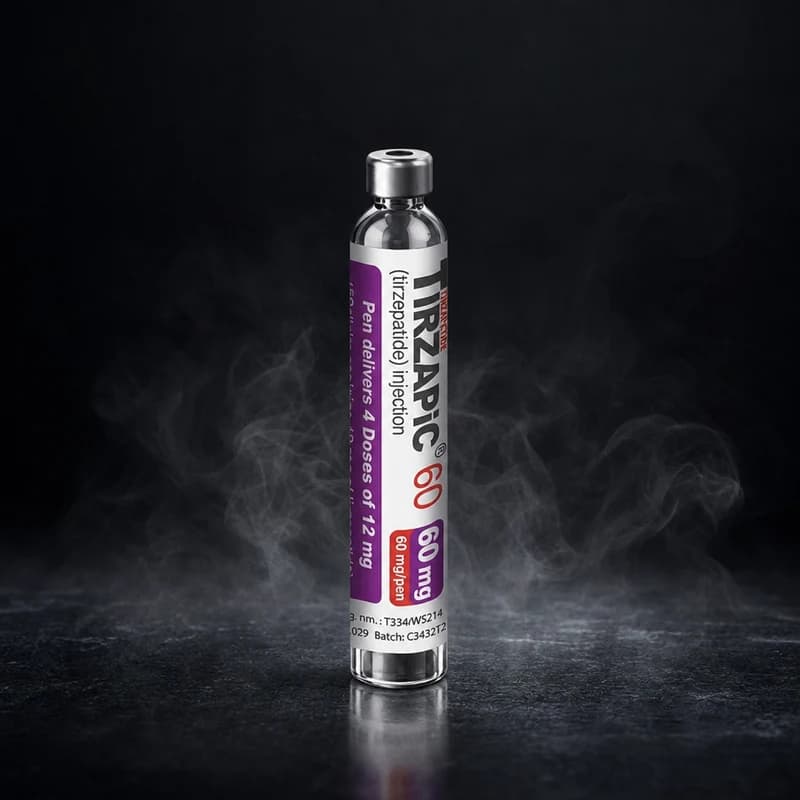
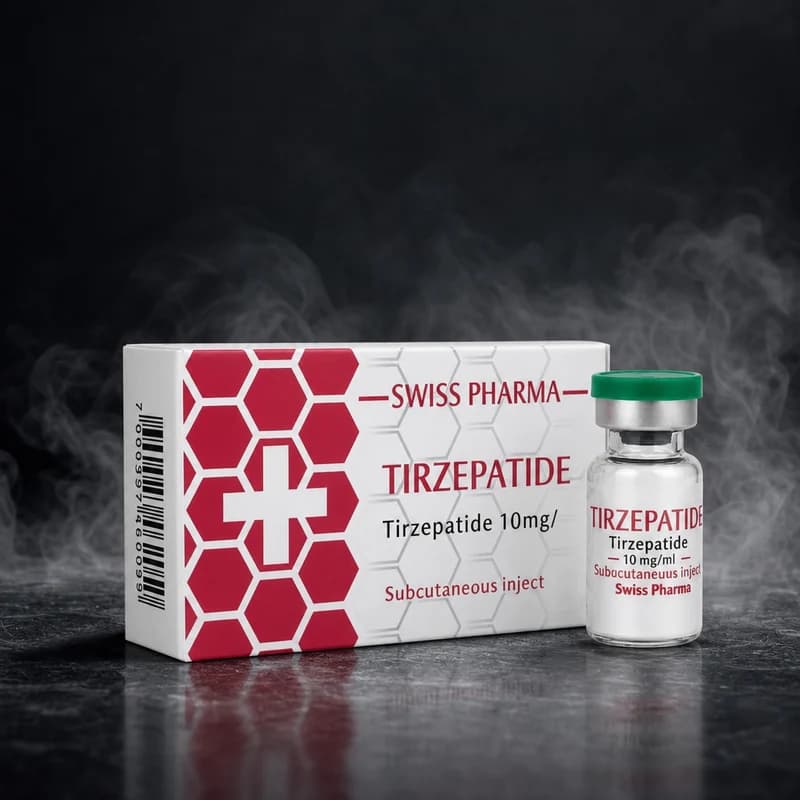
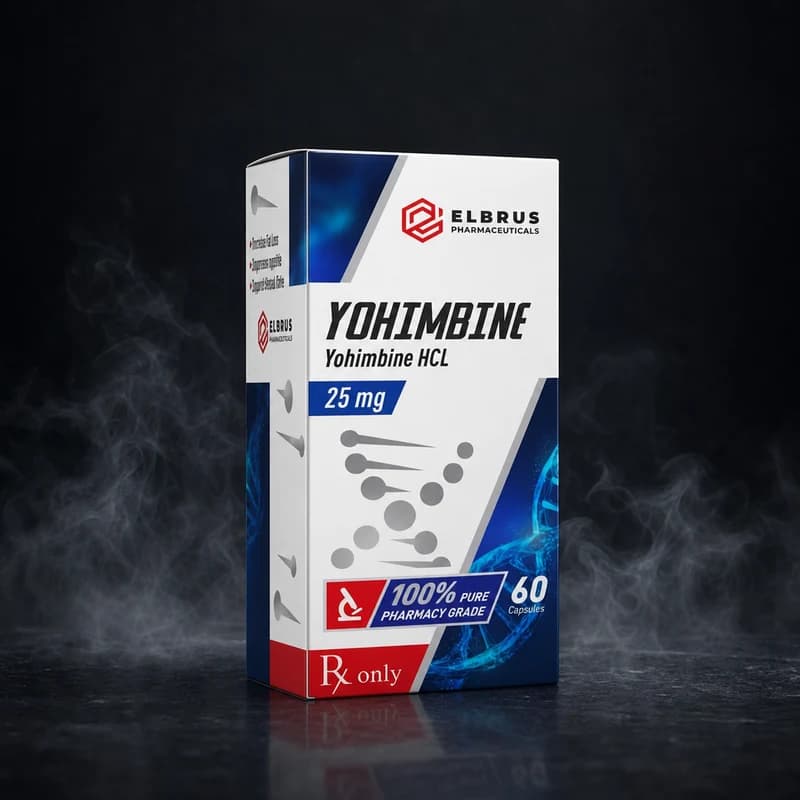
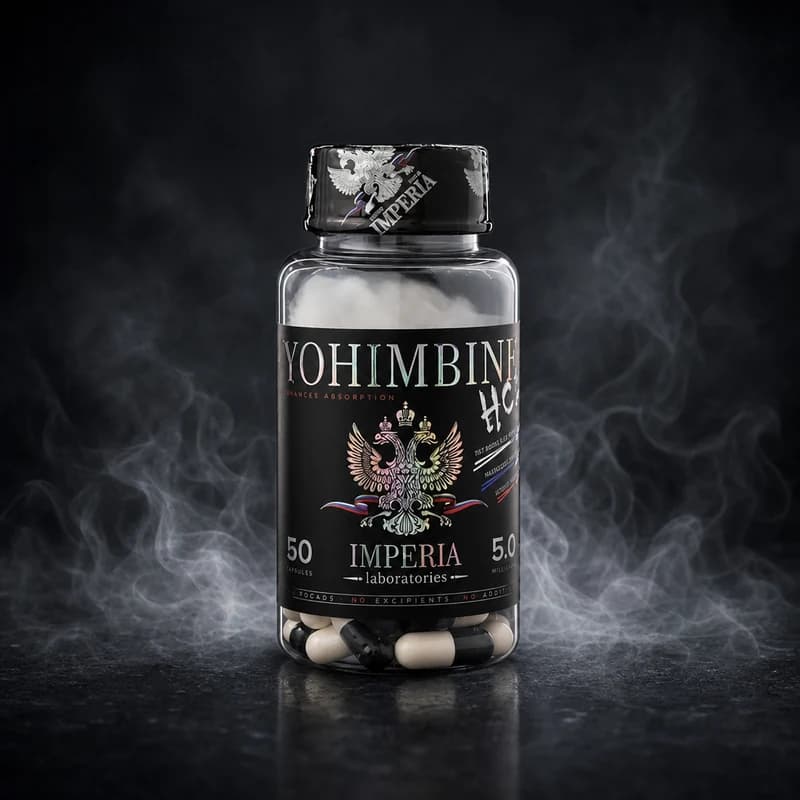
β2-agonists (Clenbuterol, Salbutamol) increase resting energy expenditure via adrenergic thermogenesis and activate lipolysis in adipocytes. GLP-1 receptor agonists (Semaglutide, Liraglutide) as well as the multi-agonists Tirzepatide (GLP-1/GIP) and Retatrutide (GLP-1/GIP/Glucagon) reduce appetite and delay gastric emptying through central incretin signalling — with weight reductions of 15–24% of body weight documented in studies. Sibutramine and Phentermine act centrally as appetite suppressants via monoamine reuptake inhibition. T3 (Liothyronine) and T4 (Levothyroxine) increase the basal metabolic rate via thyroid hormone receptors. Yohimbine blocks lipolysis-inhibiting α2-receptors in stubborn adipose tissue deposits.
Product Range by Active Substance
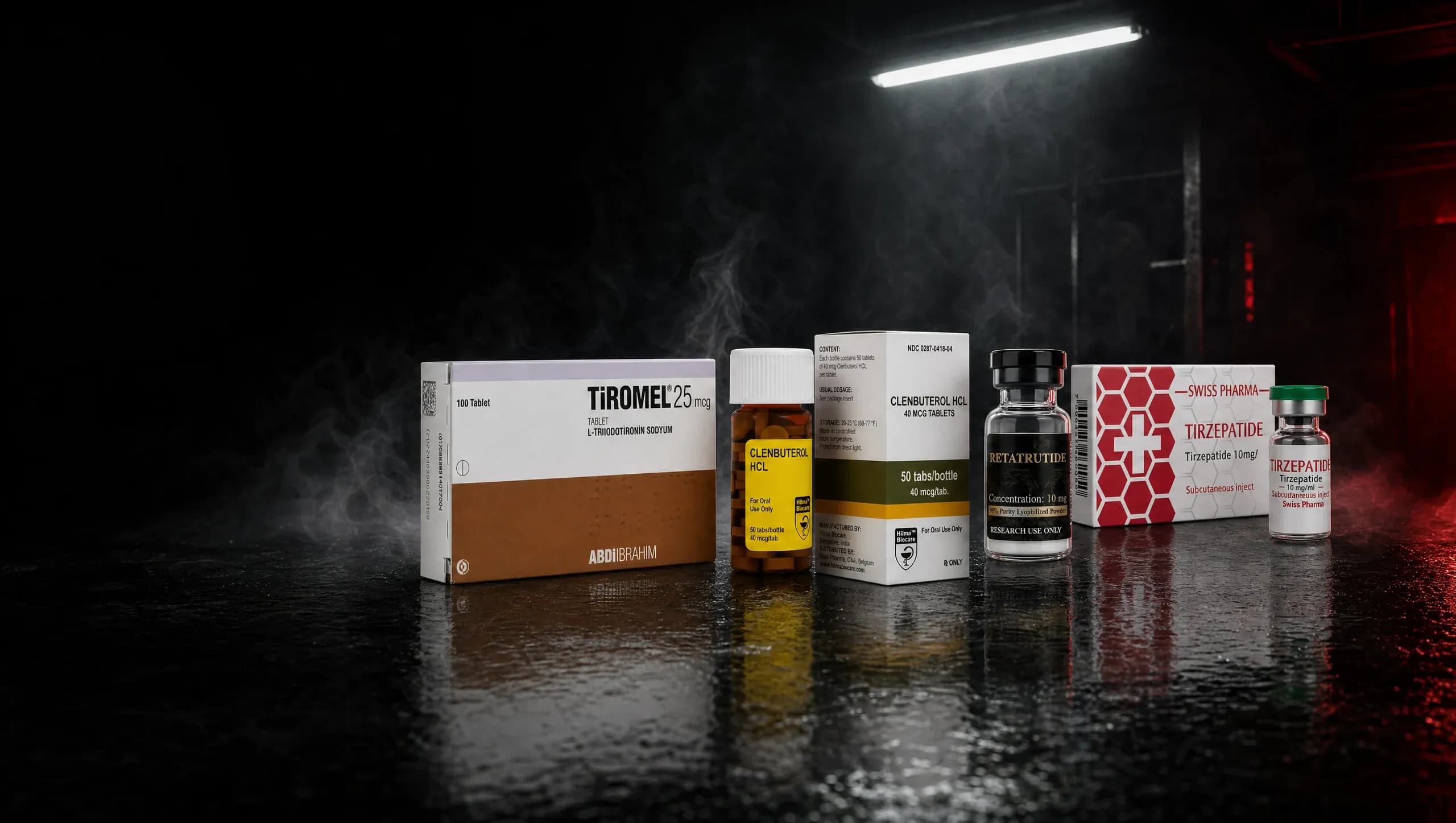
The range comprises 67 preparations across 11 active substance groups: Clenbuterol (17 products, 20–50 mcg), Sibutramine (14), T3-Liothyronine (9), Semaglutide (6), Tirzepatide (4), Retatrutide (4), Salbutamol (3), Phentermine (3), Yohimbine (3), T4-Levothyroxine (3), and Liraglutide (1). The range spans from tablets and injectable pens to lyophilised vials.
Selection and Safety
The choice of substance class depends on the primary goal: appetite control (GLP-1 agonists), thermogenesis (β2-agonists), or metabolic rate (T3/T4). Pre-existing cardiovascular conditions represent a key contraindication for sympathomimetic substances; with GLP-1 agonists, slow dose titration to minimise gastrointestinal side effects is standard practice. Blood pressure, resting heart rate, and — in the case of T3/T4 — thyroid values should be monitored regularly.
Frequently Asked Questions
Which substance class is most thoroughly documented for weight reduction?
GLP-1-based agonists have the most robust body of evidence: Semaglutide demonstrated approximately 15% body weight reduction in the STEP-1 trial, Tirzepatide achieved up to approximately 21% in SURMOUNT-1, and Retatrutide showed up to approximately 24% in Phase 2 data over 48 weeks. Sympathomimetics such as Clenbuterol produce weaker effects and work through a different mechanism that places greater strain on the cardiovascular system.
What distinguishes Clenbuterol from Salbutamol?
Both are β2-agonists, but they differ pharmacokinetically: Clenbuterol has a half-life of 35–39 hours and is taken once daily; Salbutamol acts for only 4–6 hours and requires multiple daily doses, but in return allows for finer dosing control and faster resolution of side effects.
Why is T3 risky without a thyroid condition?
Exogenous Liothyronine suppresses TSH secretion via negative feedback, and with it the body's own thyroid function. Overdosing leads to tachycardia, muscle protein breakdown, and in extreme cases ventricular fibrillation. Use requires regular monitoring of TSH, fT3, and fT4, as well as a slow taper-down phase.

 HPLC Verified