Semaglutide as a Fat-Loss Tool — and the Muscle-Loss Problem It Creates
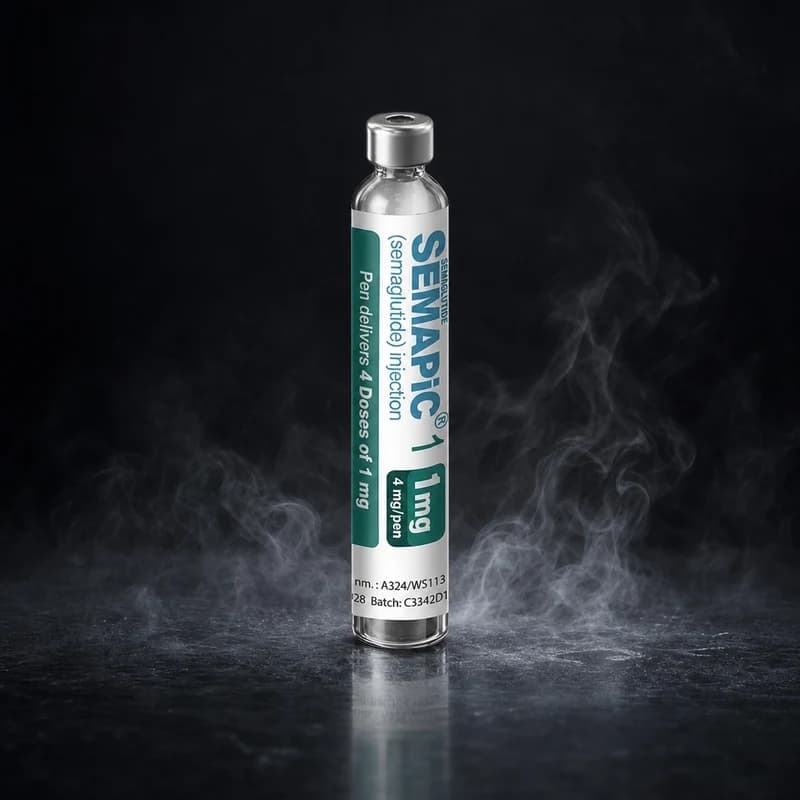
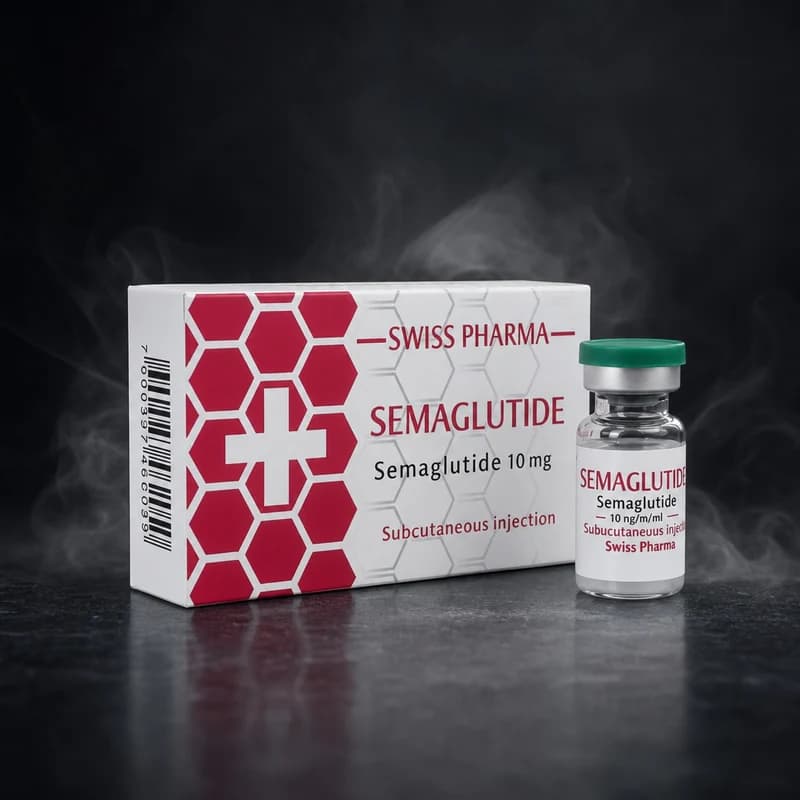
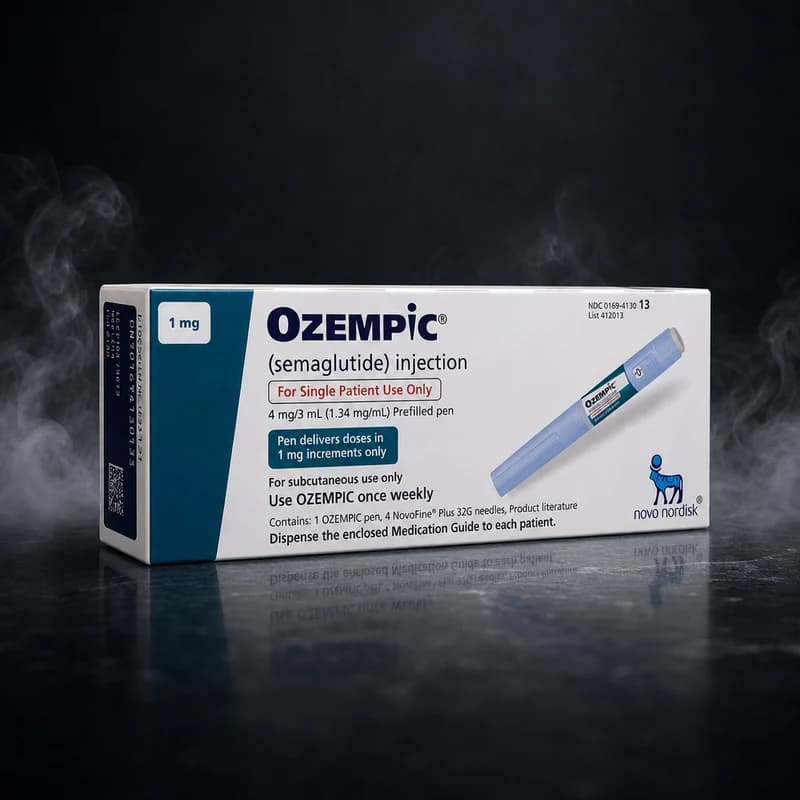
Semapic (semaglutide 2 mg/3 ml, subcutaneous pen) is a GLP-1 receptor agonist whose primary clinical risk in performance contexts is accelerated lean-tissue catabolism: when aggressive caloric restriction accompanies GLP-1-driven appetite reduction, skeletal muscle becomes a significant energy substrate. Clinical trial data from the STEP programme show that roughly 38–40 % of total weight lost in semaglutide-treated subjects without structured resistance training was lean mass — a ratio that trained athletes find unacceptable. Semapic is therefore best understood not as a standalone compound but as one component of a multi-faceted protocol built around muscle-preservation strategy.
Why Muscle Loss Accelerates on GLP-1 Agonists
Semaglutide suppresses appetite through hypothalamic and vagal pathways, routinely generating a 500–900 kcal daily deficit even in individuals accustomed to high caloric intake. Protein synthesis rates are sensitive to energy availability: a sustained negative energy balance reduces mTORC1 signalling, the principal anabolic pathway in skeletal muscle. Compared to diet-alone caloric restriction at equivalent deficits, GLP-1-assisted deficits appear deeper and more consistent week-to-week, making compensatory protein and training strategies more — not less — critical. The practitioner community has increasingly converged on a threshold of ≥ 2.2 g of protein per kilogram of lean body mass daily as the minimum protective intake during semaglutide-assisted cuts, a figure supported by meta-analyses published in the Journal of the International Society of Sports Nutrition.
Resistance Training and Anabolic Support as Countermeasures
Resistance training preserves lean mass by maintaining mechanical tension on muscle fibres, which independently activates mTORC1 regardless of caloric status. Progressive overload programming — minimum 3 sessions per week targeting all major muscle groups — is the evidence-backed structural countermeasure. Selective anabolic support (e.g. testosterone at physiological-to-supraphysiological doses, or SARM-based protocols under medical supervision) provides a hormonal environment where protein synthesis can compete with the catabolic pressure of the GLP-1-driven deficit. Pharmacona manufactures Semapic to a documented purity standard verified by HPLC analysis, ensuring the semaglutide concentration declared on label (2 mg per pen) corresponds precisely to administered dose — critical when titrating against an anabolic stack.
Dosing and Monitoring in a Muscle-Preservation Protocol
Semapic is initiated at 0.25 mg once weekly and titrated in four-week steps toward a maintenance dose of 1–2 mg, consistent with the Phase III semaglutide dose-escalation schedule. Serum albumin, creatinine, and DEXA-derived lean mass scans every 8–12 weeks allow objective tracking of whether the muscle-preservation countermeasures are working. Lean mass stability — confirmed by DEXA — is the primary outcome metric, with bodyweight change considered secondary.

 Lab Tested