Semaglutide is a synthetic glucagon-like peptide-1 (GLP-1) receptor agonist, a long-acting injectable and oral peptide analogue originally developed for type-2 diabetes management and now widely applied in weight-management and body-composition protocols.
How Semaglutide Works: GLP-1 Receptor Pharmacology
Semaglutide binds the GLP-1 receptor, a class-B G protein-coupled receptor expressed in the pancreas, hypothalamus, brainstem, and peripheral gastrointestinal tissue. Once bound, semaglutide activates adenylyl cyclase through Gαs coupling, elevating intracellular cyclic AMP. This cascade drives glucose-dependent insulin secretion from pancreatic beta cells, suppresses glucagon release from alpha cells, and — critically for body-composition users — reduces gastric emptying rate and central appetite signalling in the arcuate nucleus.
The molecule is structurally derived from native GLP-1(7–37) but carries a C18 fatty-diacid chain attached via a short linker to lysine at position 26. This modification enables albumin binding, which shields semaglutide from dipeptidyl peptidase-4 (DPP-4) cleavage — the principal reason its half-life reaches approximately 165–168 hours (roughly one week), compared to the 1–2 minute half-life of endogenous GLP-1. A single weekly subcutaneous injection therefore maintains near-steady-state plasma concentrations throughout the dosing interval.
Subcutaneous bioavailability of semaglutide is approximately 89%, one of the highest values recorded for a peptide in this class. The oral tablet formulation (Rybelsus-type products) uses a sodium N-(8-[2-hydroxybenzoyl]amino)caprylate (SNAC) absorption enhancer. Despite this technology, oral bioavailability remains around 0.4–1%, which is why oral concentrations are significantly higher per unit (7 mg and 10 mg tablets) relative to injectable doses. Steady-state is reached after four to five weekly doses, or approximately five weeks of consistent use.
Semaglutide slows gastric emptying, and this effect is most pronounced in the first weeks of use. Appetite reduction is mediated partly by direct hypothalamic GLP-1 receptor activation and partly by vagal afferent signalling from the gut. Energy intake reductions of 19–35% have been documented in controlled clinical settings, which translates meaningfully to caloric deficits even without deliberate dietary restriction.
Application Context and User Groups
Within bodybuilding, fitness, and physique sports communities, semaglutide has attracted serious attention primarily as a cut-phase and contest-prep tool. Its utility rests on three practical properties: potent appetite suppression that assists aggressive caloric restriction, a once-weekly dosing schedule that reduces protocol complexity, and a mechanism that does not require androgen-receptor engagement, making it suitable across all user demographics regardless of gender or existing hormonal protocol.
Physique athletes approaching a competition or photoshoot phase frequently deploy semaglutide to accelerate fat loss while preserving anabolic stimulus from concurrent training and nutrition. Because semaglutide reduces appetite rather than directly increasing metabolic rate, it pairs well with compounds that do maintain thermogenic activity — the combination allows individuals to sustain training volume and protein intake during a deficit that might otherwise be psychologically unsustainable.
Recreational and general fitness users seeking body-recomposition without the complexity of anabolic cycles represent a growing proportion of the market. For this group, semaglutide's weekly pen format offers clinical-grade appetite management with a simple administration routine. Dose titration typically begins at 0.25 mg weekly for the first four weeks, progressing to 0.5 mg, then 1 mg, and in some protocols reaching 2 mg — mirroring the regimens studied in clinical weight-management trials, where participants achieved average body-weight reductions of 9.6–14.9% over 68 weeks at 2.4 mg (a dose slightly above our product range).
Healthcare professionals, researchers, and harm-reduction practitioners accessing semaglutide for investigational or clinical purposes will find the vial presentation (10 mg/10 ml) the most versatile option for precise reconstitution and dose calibration. The concentration allows straightforward calculation: 1 ml of solution equals 1 mg of active semaglutide.
It is worth noting that nausea, vomiting, and gastrointestinal discomfort are the most commonly reported adverse effects, especially during dose escalation. Gradual titration materially reduces these effects. Users should be aware of contraindications including personal or family history of medullary thyroid carcinoma and multiple endocrine neoplasia syndrome type 2.
Range & Selection by Concentration and Pack Size
Our semaglutide category spans five concentration tiers across injectable pens, multi-dose vials, and oral tablets, sourced from three manufacturers — Novo Nordisk, Pharmacona, and Swiss Pharma — giving users genuine choice at each phase of a protocol.
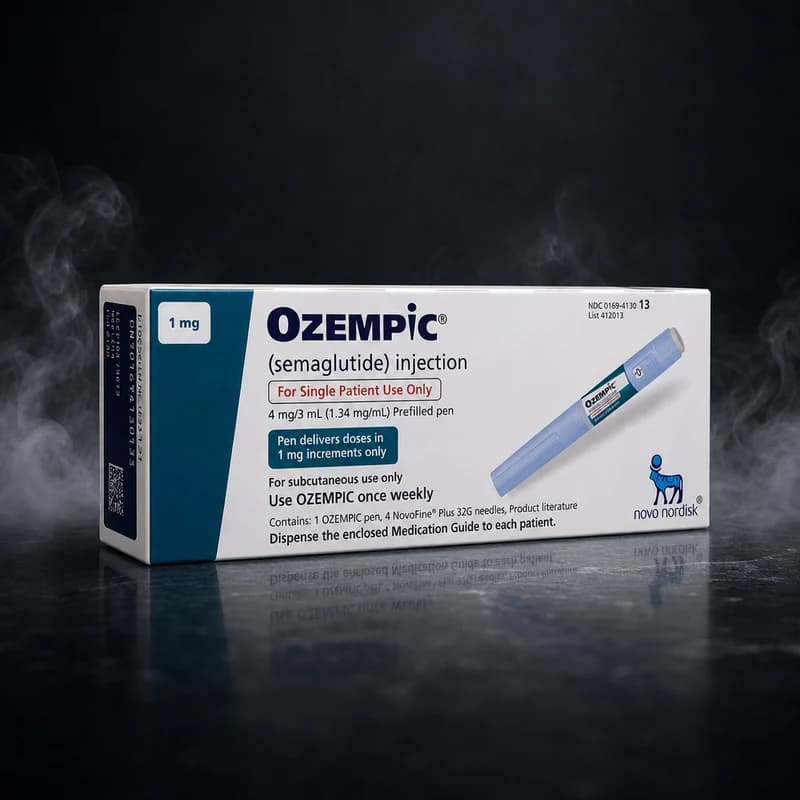
Ozempic 1mg/3ml Pen by Novo Nordisk is the reference subcutaneous product. Novo Nordisk's prefilled pen delivers the globally recognised Ozempic formulation at the 1 mg dose level. This is the standard weekly-injection tier, appropriate for users in the 0.5–1 mg maintenance phase. The prefilled format eliminates measuring steps, making it ideal for first-time users and those prioritising convenience.
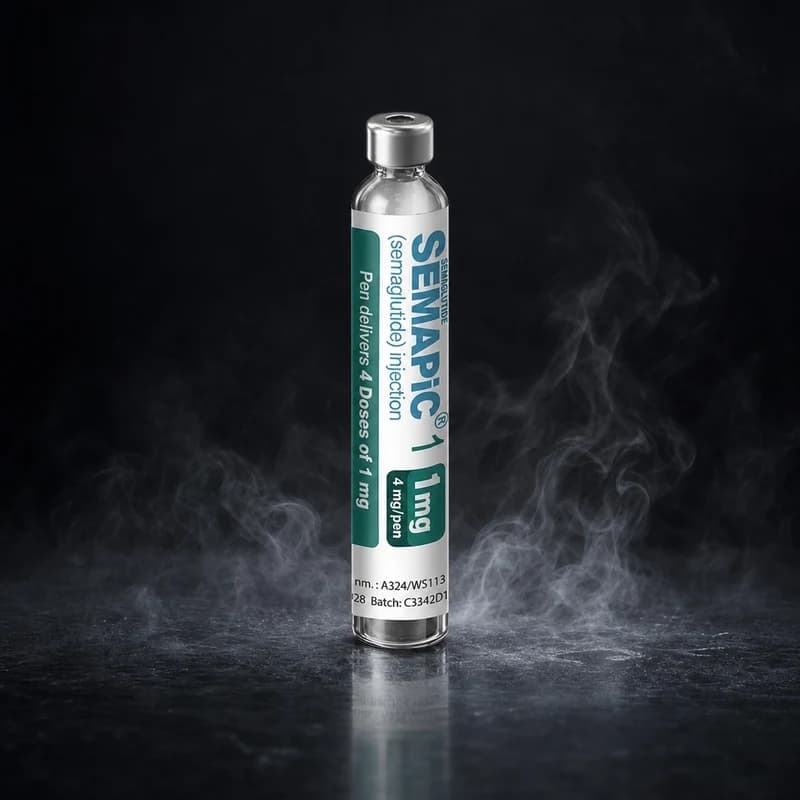
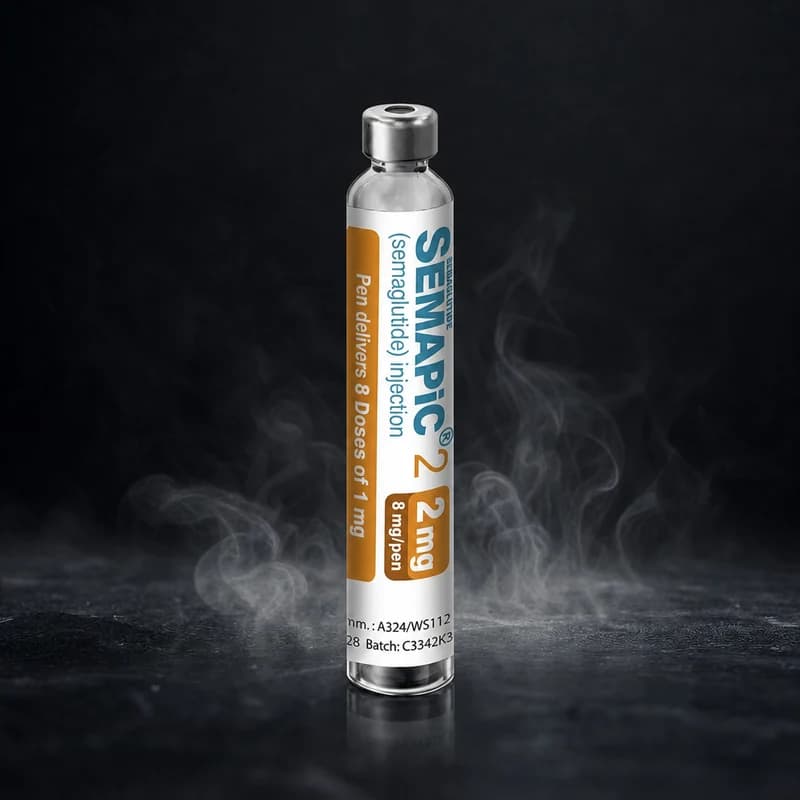
Semapic 1mg/3ml Pen by Pharmacona offers the same 1 mg/3 ml concentration in a cost-accessible pen format. Semapic 2mg/3ml Pen by Pharmacona steps into the 2 mg tier — currently among the highest injectable doses in our range — suited to experienced users who have completed titration and are targeting maximum weekly exposure for an intensive cut phase.
For oral delivery, Rybelsus Rapid 7mg/tab 30 Tablets by Novo Nordisk delivers Novo Nordisk's proprietary SNAC-enhanced tablet at 7 mg per dose. This tier serves users who prefer oral administration or for whom self-injection is not practical. The 30-tablet pack supports a full month of daily dosing at this level. RybelCona 10mg/tab 30 Tablets by Pharmacona scales the oral dose to 10 mg per tablet, representing the highest oral concentration tier in the range and targeting users at the upper end of oral titration.
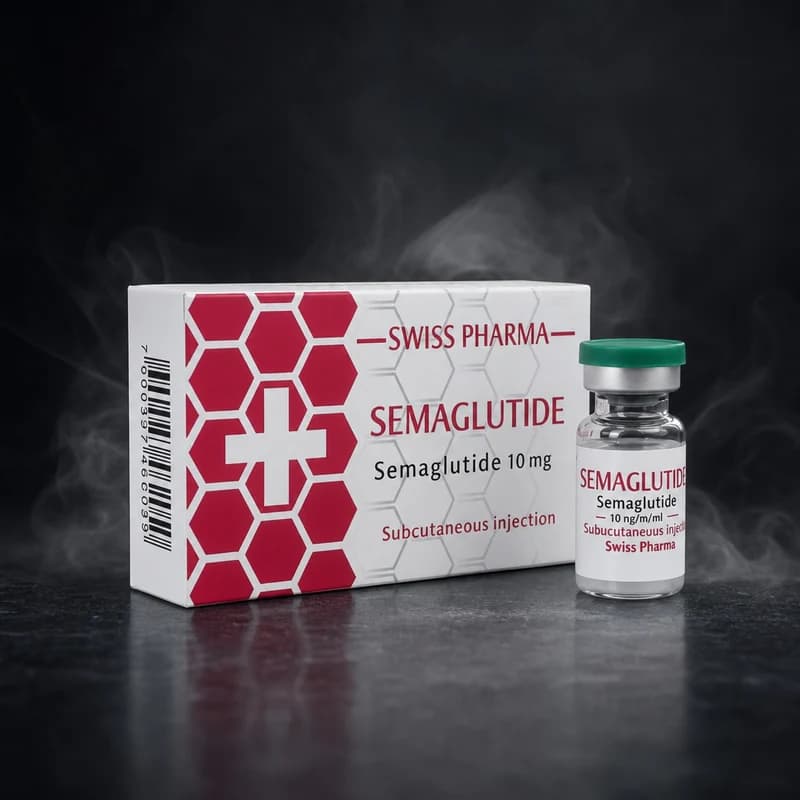
Semaglutide 10mg/10ml Vial by Swiss Pharma is the researcher and advanced-user option. The vial format is not prefilled; it requires a syringe and appropriate reconstitution or measurement protocol. The 10 mg/10 ml concentration (1 mg/ml) allows granular dose adjustment — particularly useful when dialling in sub-milligram increments during the titration phase or designing split-dose schedules.
Choosing between tiers: users new to semaglutide should start with a 1 mg pen for familiar dosing guidance. Those requiring dose flexibility or conducting compound protocols benefit from the vial. Oral tablets suit daily-dosing preferences but require consistent morning administration on an empty stomach with plain water to maximise SNAC absorption.
Frequently Asked Questions
What is the difference between injectable and oral semaglutide in this range?
Injectable semaglutide (pens and vials) is administered subcutaneously once weekly and achieves approximately 89% bioavailability. Oral tablets use a SNAC absorption enhancer to permit gastrointestinal uptake, but bioavailability is around 0.4–1%, which is why tablet doses are far higher (7–10 mg) compared to injectable doses (1–2 mg). Both delivery routes act on the same GLP-1 receptor.
How long does it take for semaglutide to reach steady-state plasma levels?
Because semaglutide has a half-life of approximately 165–168 hours, roughly four to five weekly doses are required to reach steady-state concentrations. This means meaningful appetite suppression and metabolic effects typically consolidate over the first four to five weeks of a once-weekly injection protocol rather than appearing immediately after the first dose.
Can semaglutide be used alongside anabolic compounds during a cutting cycle?
Semaglutide operates through the GLP-1 receptor, entirely separate from androgen or anabolic signalling pathways, so there is no known direct pharmacological interaction with typical anabolic compounds. In practice, physique athletes combine it with anabolic protocols to sustain an aggressive caloric deficit while maintaining training stimulus. Individual responses and stacking decisions remain the user's responsibility.


 Lab Tested