Mechanism & Pharmacology of Retatrutide
Retatrutide is a synthetic unimolecular triple agonist peptide that simultaneously activates glucagon-like peptide-1 (GLP-1) receptors, glucose-dependent insulinotropic polypeptide (GIP) receptors, and glucagon (GCGR) receptors — a triagonist profile that distinguishes it from every dual- or single-receptor agent currently available. This triple receptor engagement produces compounding downstream effects on energy homeostasis, substrate oxidation, and appetite regulation that no single-pathway compound can replicate.
Retatrutide binds the GLP-1 receptor to enhance glucose-stimulated insulin secretion and suppress postprandial glucagon release, directly reducing circulating glucose load. Simultaneously, retatrutide activates the GIP receptor, which amplifies incretin-driven insulin secretion, improves lipid clearance, and modulates adipose tissue metabolism. The glucagon receptor component is pharmacologically significant: glucagon receptor activation in the liver increases hepatic glucose output under fasting conditions and markedly elevates energy expenditure by stimulating thermogenesis in brown adipose tissue — a mechanism absent in GLP-1 mono-agonists such as semaglutide. The net result is a substantially higher total caloric deficit achieved per unit of time compared with dual-agonist approaches.
Retatrutide demonstrates a plasma half-life of approximately 6 days in human pharmacokinetic modelling, supporting once-weekly subcutaneous administration. Subcutaneous bioavailability is high and consistent across injection sites (abdomen, thigh, upper arm), with peak plasma concentration (Tmax) typically observed between 8 and 24 hours post-injection. Molecular weight sits at approximately 4,800 Da, and the compound carries a fatty acid–albumin binding modification analogous to strategies used in tirzepatide and semaglutide, substantially reducing renal clearance and extending its circulating half-life without sacrificing receptor selectivity. The molecule is classified as a long-chain acylated peptide, stable under standard refrigerated storage (2–8 °C) and resistant to rapid enzymatic degradation by dipeptidyl peptidase-4 (DPP-4), owing to structural modifications at the N-terminal residues.
Phase II clinical data published in the New England Journal of Medicine (2023) reported mean body weight reductions of up to 24.2% over 48 weeks at the highest tested dose, a figure that surpassed results historically associated with semaglutide or tirzepatide monotherapy at comparable timepoints. This positions retatrutide as the most potent single-molecule weight management peptide to complete major Phase II evaluation as of early 2026.
Application Context & User Groups
The primary research and application interest in retatrutide centres on individuals with significant adipose tissue accumulation where conventional interventions — including structured resistance and cardiovascular training, caloric deficit dieting, and dual-receptor peptide protocols — have yielded suboptimal results. Within the bodybuilding and physique sport research community, retatrutide attracts interest specifically during extended off-season phases, where excessive caloric surplus leads to disproportionate fat gain alongside muscle accretion, and during pre-contest conditioning phases where aggressive fat loss must be achieved without the catabolic risk associated with extreme caloric restriction.
Retatrutide's glucagon receptor component drives hepatic fat oxidation, which is particularly relevant for individuals with elevated visceral adiposity — a common consequence of prolonged high-calorie bulking cycles. The peptide's thermogenic effect operates independently of voluntary energy expenditure, meaning it layers on top of existing training activity rather than substituting for it. This makes retatrutide meaningfully different from appetite suppressants or simple GLP-1 agonists, which primarily reduce caloric intake without raising basal metabolic rate.
User groups actively researching retatrutide in 2025–2026 include advanced male and female physique competitors, recreational bodybuilders managing body composition across multi-year training cycles, and fitness-focused individuals whose primary goal is significant fat mass reduction while preserving lean tissue. Those already experienced with GLP-1 peptides — particularly semaglutide or tirzepatide — and who have plateaued or require a step change in metabolic rate are the most common population transitioning to retatrutide protocols. Given the extended half-life, dosing precision is important: gradual titration from lower concentrations is standard practice in research settings, and abrupt high-dose initiation is associated with significantly elevated gastrointestinal side-effect profiles.
Researchers and advanced users should note that retatrutide is currently classified as a research peptide and is not approved by the MHRA, FDA, or EMA for clinical use. It is available for laboratory and research purposes only.
Range & Selection by Concentration and Pack Size
Our retatrutide category includes four products across three concentration tiers from three manufacturers, allowing researchers to match dosing precision with protocol phase.
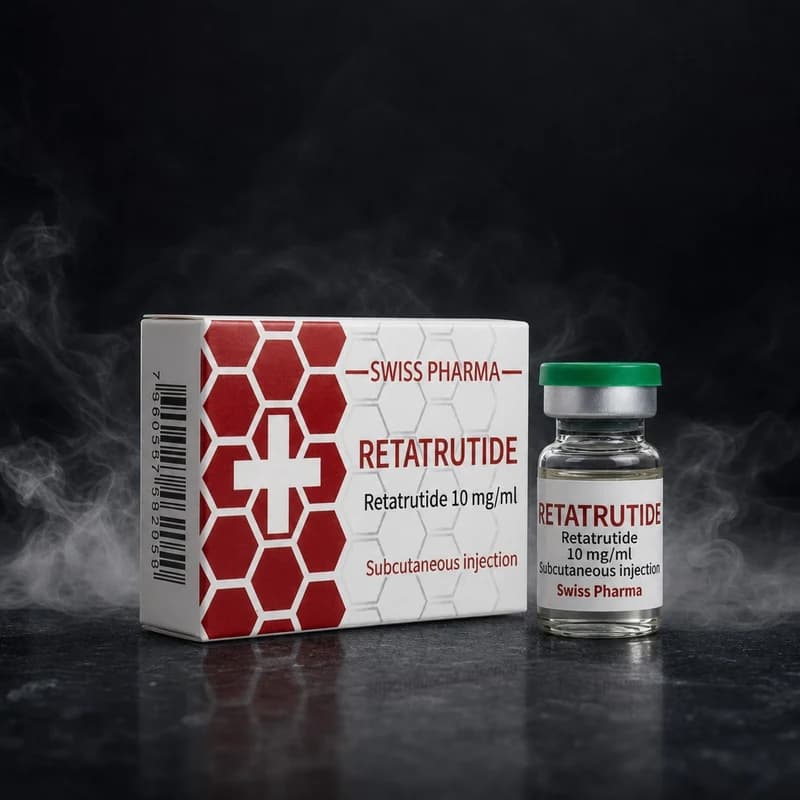
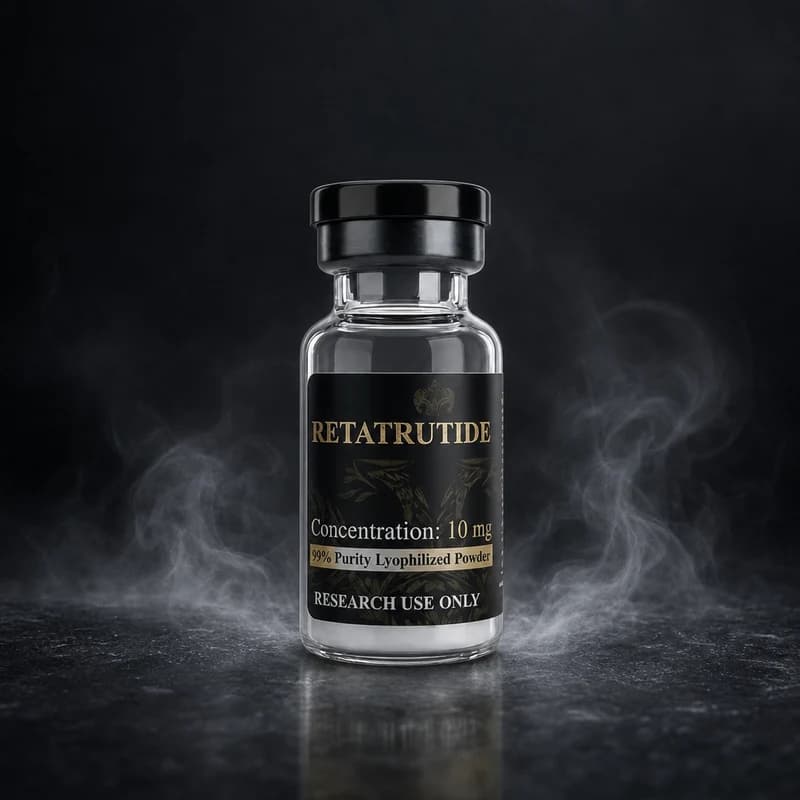
Retatrutide 10mg/10ml 1 Vial by Imperia Laboratories represents the entry-level concentration tier at 10mg/10ml. The vial format is suited to research protocols requiring measured, incremental volume adjustments — particularly during titration phases where fine-grained dose escalation is essential. This concentration provides maximum flexibility for low-dose initiation, typically preferred when commencing a new retatrutide protocol or transitioning from a lower-potency peptide. Retatrutide 10mg/10ml 1 Vial by Swiss Pharma covers the same concentration at 10mg/10ml and offers an alternative source at the foundational tier, useful for researchers who wish to compare formulation characteristics between manufacturers or maintain supply continuity.
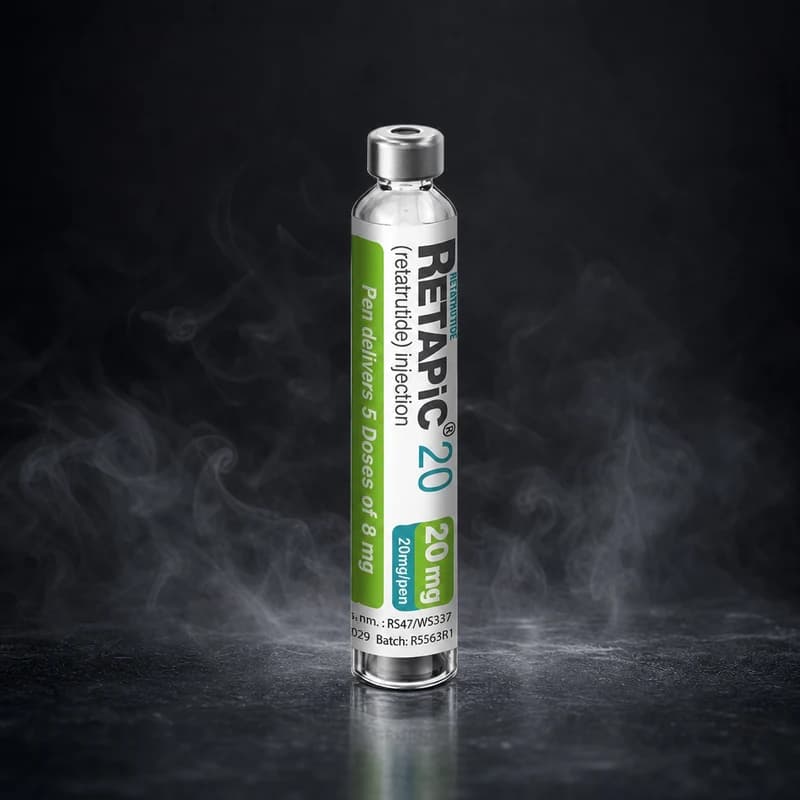
At the mid-range concentration, Retapic 20mg/3ml 1 Pen by Pharmacona introduces the pre-loaded pen format at 20mg/3ml — a higher mg-per-ml ratio that reduces injection volume per dose. The pen delivery mechanism improves administration consistency and is suited to protocols where weekly dosing is well established and gastrointestinal tolerance has been confirmed. This format is particularly practical for users who value portability and pre-set dose accuracy.
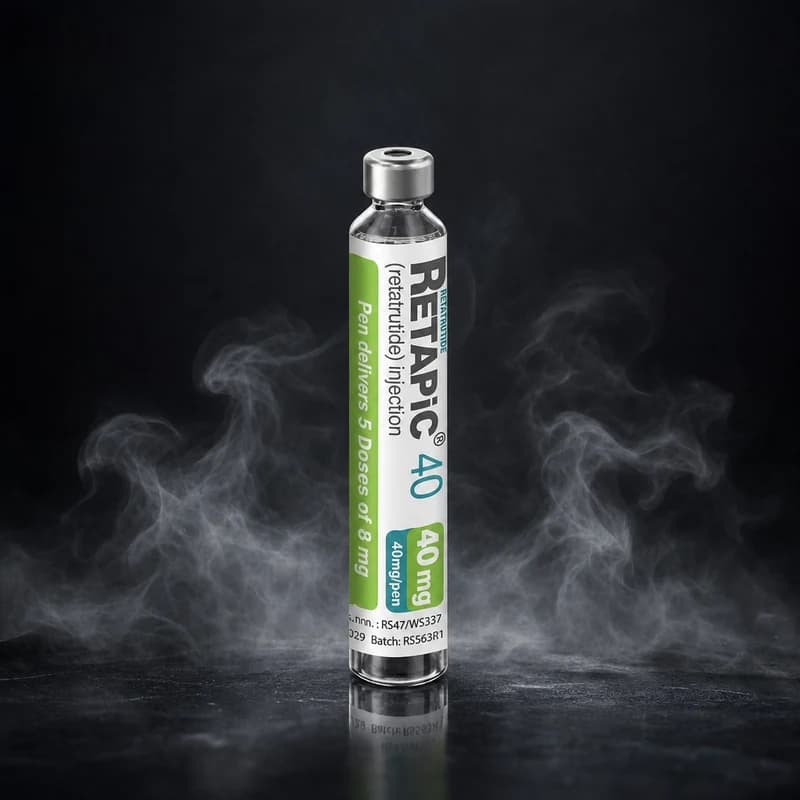
Retapic 40mg/3ml 1 Pen by Pharmacona occupies the highest concentration tier available in this category at 40mg/3ml. This pen is designed for advanced research phases where higher absolute doses per injection are required, while maintaining the minimal injection volume that the pen format delivers. The 40mg/3ml concentration is not recommended as a starting point; it is best positioned for researchers who have completed a full titration protocol and are operating at the upper end of studied dose ranges.
For new researchers, the 10mg/10ml vial format from either Imperia Laboratories or Swiss Pharma provides the most appropriate entry point. Intermediate researchers with established GI tolerance should consider the Retapic 20mg/3ml pen. The 40mg/3ml pen is reserved for experienced, advanced protocols where the higher dose tier is specifically indicated by research objectives.
Frequently Asked Questions
What makes retatrutide different from tirzepatide or semaglutide?
Retatrutide activates three receptors — GLP-1, GIP, and glucagon — whereas tirzepatide targets only GLP-1 and GIP, and semaglutide targets GLP-1 alone. The added glucagon receptor engagement elevates hepatic fat oxidation and thermogenesis, contributing to a meaningfully greater total energy deficit and, in Phase II data, higher percentage body weight reductions than either comparator at similar timepoints.
Why are there different concentrations available, and which should a researcher choose?
Concentration affects the volume injected per dose and the precision of titration. The 10mg/10ml vials allow fine dose adjustments suited to initiation and titration phases. The 20mg/3ml and 40mg/3ml pens deliver higher absolute doses in smaller volumes, appropriate for established, higher-dose research protocols. Selection should be guided by where the researcher is in their titration schedule and their confirmed gastrointestinal tolerance.
What is the half-life of retatrutide and how does it affect dosing frequency?
Retatrutide has an approximate plasma half-life of six days, making once-weekly subcutaneous injection the standard research dosing interval. This extended half-life results from fatty acid–albumin binding modifications on the molecule, which limit renal clearance. Weekly dosing maintains stable plasma levels without the accumulation risk associated with shorter-acting peptides administered at higher frequency.


 Lab Tested