Retatrutide and the Science of Appetite Suppression
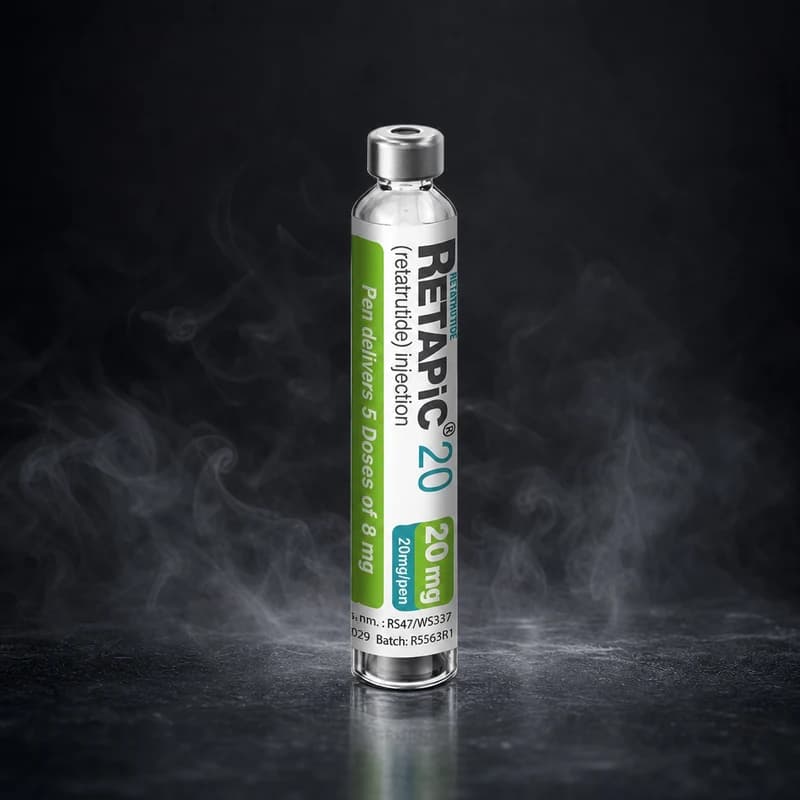
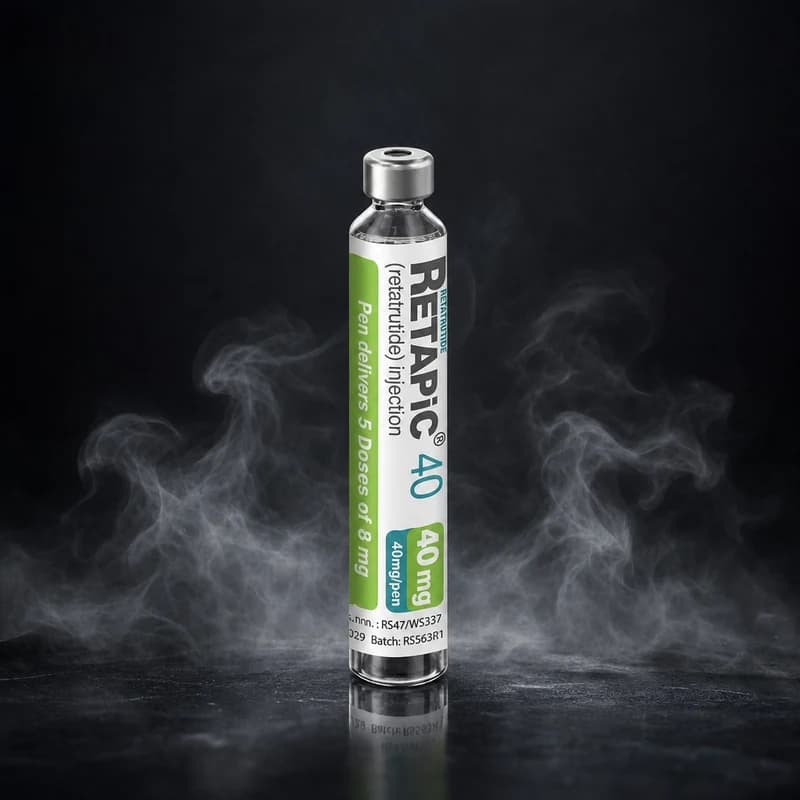
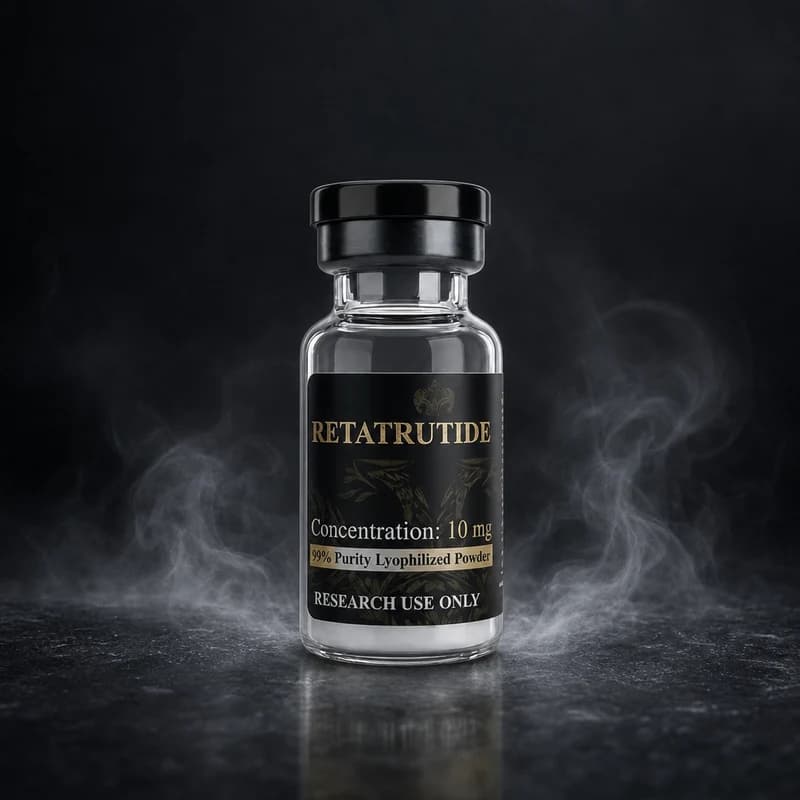
Retatrutide is a synthetic tri-receptor incretin peptide whose primary clinically documented effect is the suppression of appetite through simultaneous engagement of GLP-1, GIP, and glucagon receptors — making it the most hunger-targeting compound currently available in its drug class. Unlike agents that rely on a single receptor pathway, this molecule recruits three distinct signalling axes to reduce caloric intake, and the appetite-dampening effect is the most immediately noticeable outcome for users in a structured deficit. Swiss Pharma supplies it as a 10 mg/10 ml sterile aqueous solution, dosed by insulin syringe, at a 1 mg/ml concentration that allows straightforward volume-to-dose calculations.
How Satiety Is Achieved at the Receptor Level
GLP-1 receptor activation slows gastric emptying and signals the hypothalamus to reduce hunger drive — this alone accounts for a significant portion of the appetite suppression observed with GLP-1-class drugs. Retatrutide adds GIP receptor co-agonism, which reinforces the central satiety signal and improves post-meal fullness duration compared to GLP-1 mono-agonists studied under matched caloric conditions. A third receptor tier — glucagon — contributes a thermogenic elevation of resting metabolic rate, meaning the body burns more energy at rest, further widening the effective caloric gap without requiring larger cuts to food intake. Together, these three mechanisms make it measurably harder to feel hungry between meals, even when operating at a substantial caloric deficit.
Clinical Evidence for Appetite Reduction
In the Phase 2 TRIUMPH trial (NEJM, 2023), participants receiving retatrutide at 12 mg weekly reported progressive weight loss averaging up to 17.5% of body weight at 24 weeks and approximately 22–24% at 48 weeks — reductions driven primarily by sustained appetite suppression and spontaneous food-intake reduction, not structured dietary intervention. These numbers provide a clinical benchmark: at doses studied, retatrutide suppresses appetite to a degree that materially outperforms dual-agonist comparators in the same study framework. Swiss Pharma's 10 mg/10 ml vial contains enough active peptide for a standard 10-week titration protocol beginning at 2 mg/week.
Manufacturing Standards and Purity Verification
Every production batch of Swiss Pharma Retatrutide 10mg/10ml is subject to a two-gate release protocol: reversed-phase HPLC confirms active-peptide concentration within the declared specification for that lot, and LAL (Limulus Amebocyte Lysate) endotoxin testing confirms sterility safety thresholds are met — independently of the contract manufacturer's own documentation. Production takes place under current Good Manufacturing Practice (cGMP) conditions, with cold-chain continuity maintained from batch release through to end-point delivery at 2–8 °C.

 Lab Tested