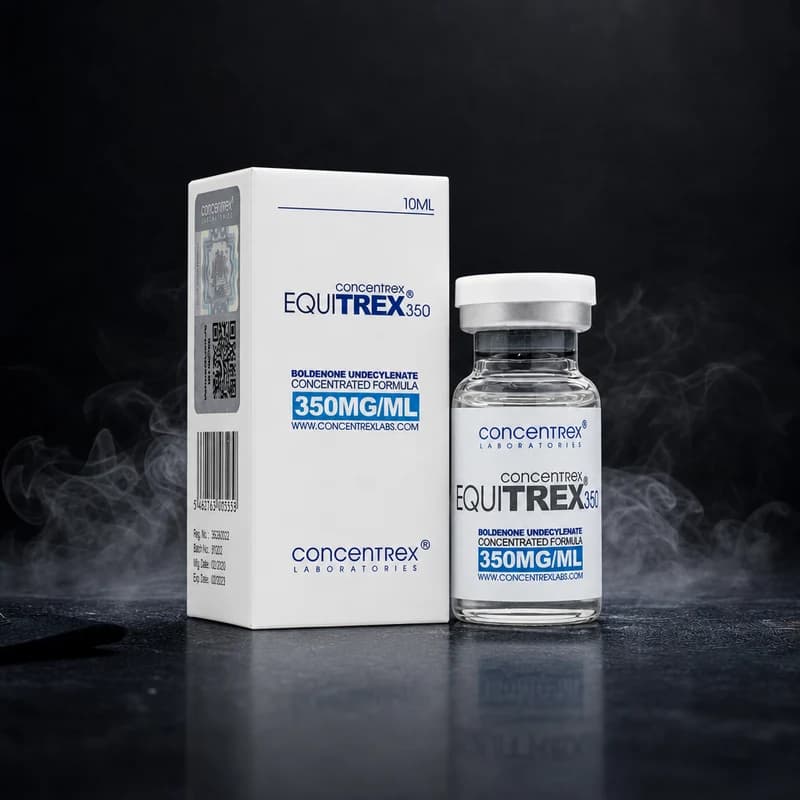
Contraindications: Quant-Equipoise must not be used by individuals diagnosed with prostate carcinoma, breast carcinoma, or existing cardiovascular disease including left ventricular hypertrophy. Contraindicated in women of childbearing potential due to virilisation risk. Persons under 21 years of age should not use anabolic-androgenic steroids, as endogenous hormonal axes are still developing. Pre-existing polycythaemia is an absolute contraindication given boldenone's EPO-stimulating mechanism.
Side Effects: EPO-mediated haematocrit elevation is the most cycle-specific concern with extended Boldenone Undecylenate use; haematocrit exceeding 52% increases blood viscosity and thrombotic risk. Androgenic effects including acne, increased body hair, and scalp recession are possible, particularly in genetically susceptible individuals. Endogenous testosterone suppression occurs at all clinically relevant doses; exogenous testosterone supplementation as a base compound is therefore standard practice in modern protocols. Oily skin, appetite stimulation, and mild water retention have been reported.
Monitoring: Full blood count (FBC) including haematocrit should be assessed at baseline and again at Week 8 of any cycle exceeding 12 weeks; haematocrit should remain below 52%. Lipid panel (LDL, HDL) monitoring is recommended at baseline and mid-cycle, as anabolic-androgenic steroids suppress HDL. Blood pressure should be recorded weekly; if systolic pressure consistently exceeds 140 mmHg, dose adjustment or cycle termination should be considered.
PCT: Post-cycle therapy is mandatory following any Quant-Equipoise cycle. Due to the undecylenate ester's extended clearance profile, PCT initiation should be delayed approximately four to five weeks after the final injection. Standard PCT agents include Tamoxifen (Nolvadex) 40 mg/day for two weeks, followed by 20 mg/day for two additional weeks, or Clomiphene Citrate (Clomid) per an equivalent graduated protocol. An AI (aromatase inhibitor) may be required during cycle to manage oestrogen conversion from the concurrent testosterone base.

 Long-Acting Formula