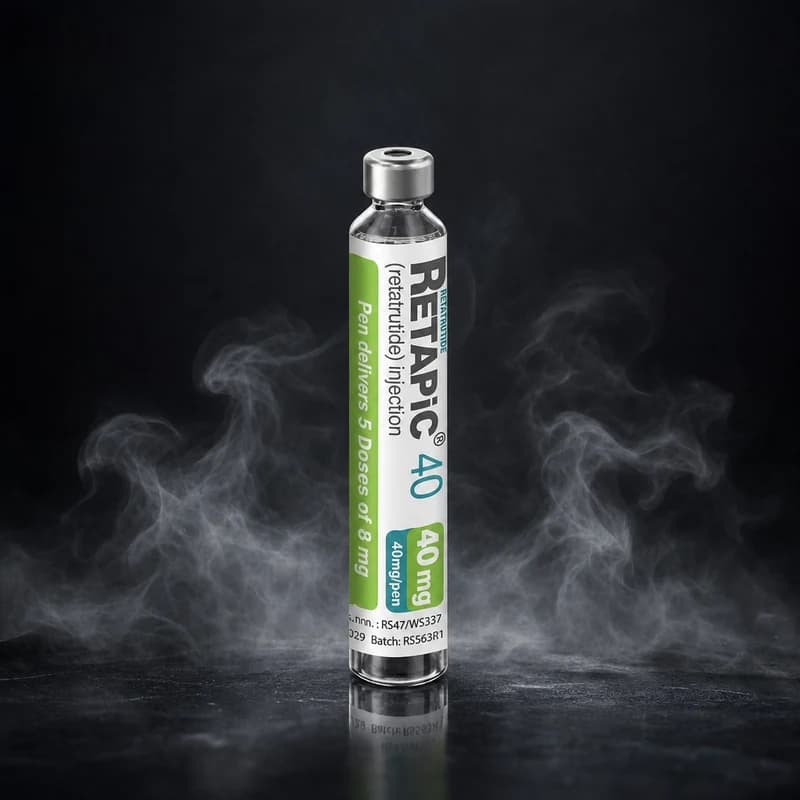
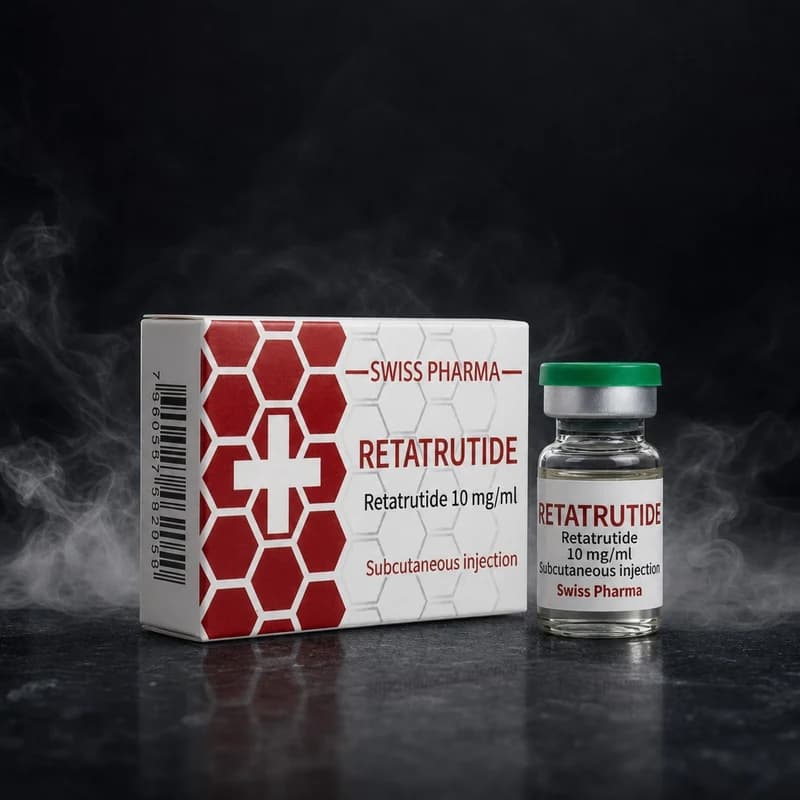
Contraindications: Retapic is contraindicated in individuals with a personal or family history of medullary thyroid carcinoma or Multiple Endocrine Neoplasia syndrome type 2, consistent with the mechanistic risk profile shared across the GLP-1 receptor agonist class. Pregnancy, active pancreatitis, and known hypersensitivity to retatrutide or any pen excipient are absolute contraindications. Unlike semaglutide, retatrutide's glucagon receptor activity makes it inadvisable in individuals with pre-existing elevated hepatic enzyme levels until a hepatologist clears use.
Side Effects: GI effects (nausea, vomiting, diarrhoea) are the most frequently reported events during uptitration, consistent with all incretin-class agents. Specific to retatrutide's glucagon receptor component: transient resting heart-rate increases (mean ~4 bpm in Phase II data) and mild, reversible hepatic enzyme elevations have been documented — findings not prominently reported with semaglutide or tirzepatide. Injection-site reactions are generally mild and self-resolving.
Monitoring: Baseline and periodic measurement of heart rate, ALT/AST, amylase, lipase, and fasting blood glucose is recommended. Because retatrutide simultaneously suppresses appetite via three receptor pathways, caloric intake monitoring is important to avoid unintended excessive deficit, particularly in athletes managing muscle retention. Compare any new hepatic readings against pre-treatment baseline — not against semaglutide-era values — since the glucagon receptor adds a separate hepatic signalling variable.
PCT: Retatrutide does not suppress the hypothalamic-pituitary-gonadal axis; no peptide-specific post-cycle therapy is required. However, users who have co-administered anabolic compounds alongside Retapic should follow appropriate PCT for those agents independently. A gradual dose taper over 4–6 weeks upon discontinuation is advisable to allow endogenous appetite-regulation hormones (GLP-1, GIP, glucagon) to normalise before halting the compound entirely.

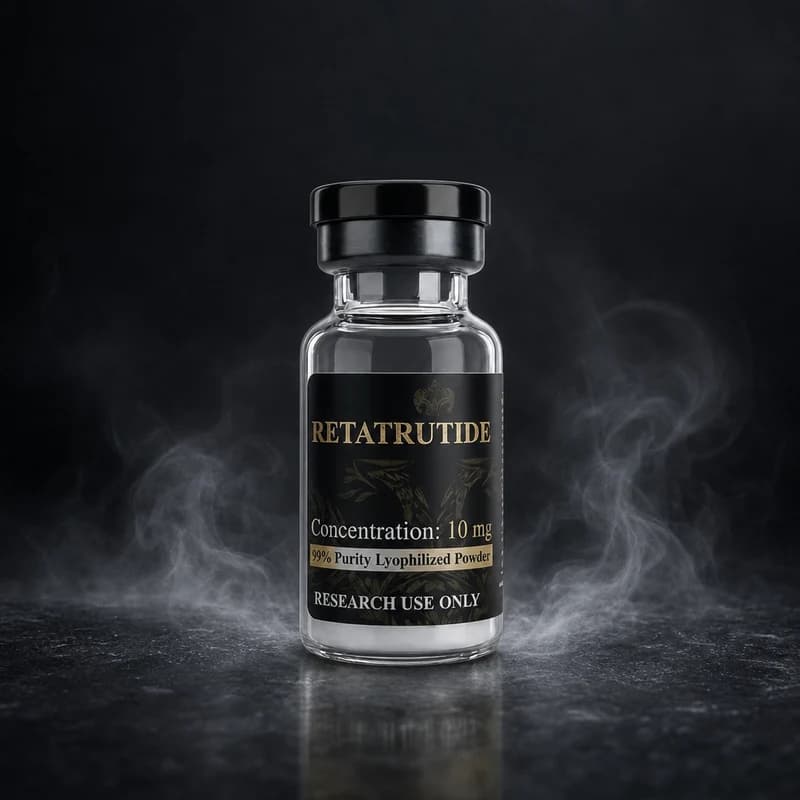 Lab Tested