Salbutamol is a selective short-acting beta-2 adrenergic receptor agonist originally developed as a bronchodilator for the management of asthma and chronic obstructive pulmonary disease, and later investigated for its thermogenic, lipolytic, and anabolic properties within performance and physique sports.
Mechanism and Pharmacology of Salbutamol
Salbutamol binds the beta-2 adrenergic receptor, a G-protein-coupled receptor expressed in bronchial smooth muscle, adipose tissue, and skeletal muscle. Upon binding, salbutamol activates adenylate cyclase, increasing intracellular cyclic adenosine monophosphate (cAMP) concentrations. Elevated cAMP in turn activates protein kinase A, which phosphorylates hormone-sensitive lipase — the key enzyme initiating triglyceride breakdown in adipocytes. This cascade produces the lipolytic and thermogenic effects that make salbutamol of interest beyond its respiratory applications.
Orally administered salbutamol reaches peak plasma concentrations within approximately 2 to 3 hours, with a half-life of 4 to 6 hours. Oral bioavailability is approximately 50%, owing to significant first-pass hepatic metabolism, which contrasts with the near-complete systemic absorption achieved via inhalation. This distinction matters practically: oral doses must be calibrated accordingly, which explains the availability of salbutamol tablets across multiple concentration tiers. In skeletal muscle, salbutamol activates the same cAMP–PKA axis, stimulating mTOR-related anabolic signalling and increasing protein synthesis rates — an effect documented in several peer-reviewed human trials involving oral doses of 8–16 mg per day.
Beta-2 receptor selectivity is salbutamol's principal pharmacological advantage over non-selective sympathomimetics such as ephedrine. By sparing beta-1 receptors in cardiac tissue — at therapeutic doses — salbutamol produces comparatively less chronotropic stimulation, though dose-dependent tachycardia and palpitations remain possible at higher intake levels. Salbutamol also engages beta-2 receptors in fast-twitch muscle fibres, where the resulting shift in cellular energetics may support both hypertrophy and localised fat oxidation during caloric restriction phases.
Application Context and User Groups
Salbutamol occupies an interesting position in the performance supplementation landscape: it shares a mechanistic class with clenbuterol but is considerably shorter-acting and carries a distinct safety and regulatory profile in many jurisdictions. Its dual action — promoting lipolysis while simultaneously supporting lean mass retention — makes it particularly relevant during cutting cycles and contest preparation, where preserving muscle while aggressively reducing body fat is the primary objective.
Competitive bodybuilders and physique athletes approaching a caloric deficit often incorporate salbutamol to blunt muscle catabolism and sustain metabolic rate. Research published in the early 2000s by Caruso and colleagues demonstrated measurable improvements in strength and lean body mass in young men given oral salbutamol at 8 mg daily over several weeks, adding credibility to anecdotal reports circulating within the bodybuilding community. Endurance athletes have also explored salbutamol, primarily for its capacity to improve respiratory efficiency and oxygen delivery via bronchodilation, which can translate to greater aerobic output during high-volume training blocks.
User groups for whom salbutamol is most commonly discussed include intermediate-to-advanced male and female athletes who are already employing structured nutrition and resistance-training protocols. It is not a compound typically associated with beginners, largely because its cardiovascular stimulation requires an understanding of individual tolerance. Reported side effects — tremor, elevated heart rate, headache, and sleep disruption — are generally dose-dependent and tend to diminish as the body adapts over the first one to two weeks of use. Users frequently cycle salbutamol in two-week-on, two-week-off patterns to minimise receptor desensitisation, mirroring protocols used with structurally related compounds. It is worth noting that salbutamol is a prohibited substance on the World Anti-Doping Agency (WADA) Prohibited List in-competition above specific urinary thresholds, and any competitive athlete subject to drug testing should take this into account before use.
Range and Selection by Concentration and Pack Size
Our salbutamol category currently offers three distinct concentration tiers across a consistent 100-tablet pack format, allowing users to match their dose strategy to their experience level and target daily intake with precision.
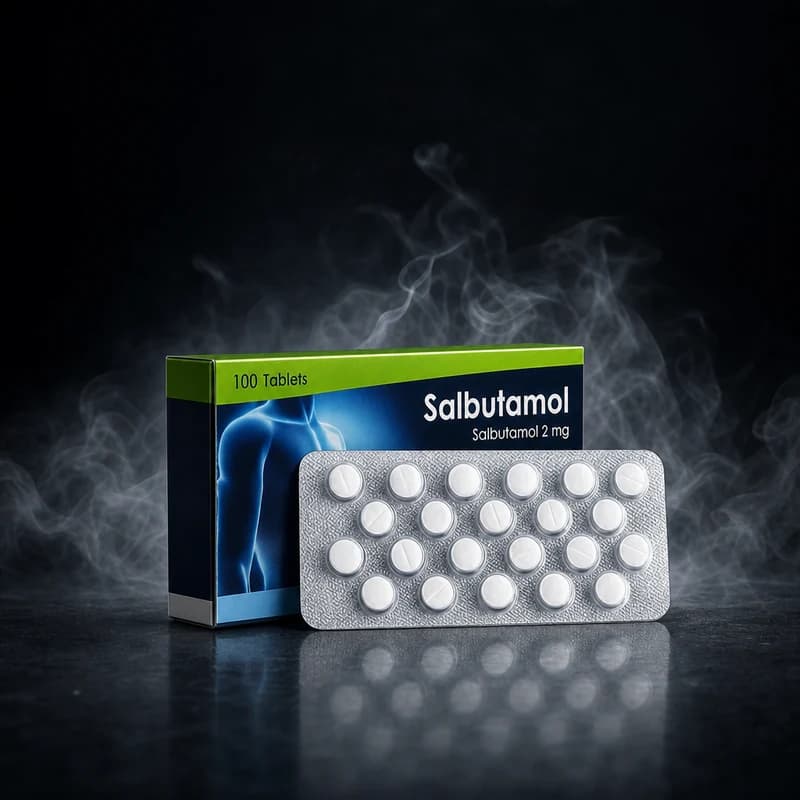
Salbutamol 2mg/tab 100 Tablets by Sterling Knight Pharmaceuticals represents the entry-level concentration and is best suited to individuals beginning their first salbutamol protocol or those who prefer fine-grained daily titration. At 2 mg per tablet, users can build from a low starting point — commonly 2–4 mg twice daily — without committing to larger increments. Sterling Knight Pharmaceuticals is recognised for clean tablet manufacture and consistent dosing accuracy, which at this concentration is particularly important given that small absolute differences become proportionally significant.
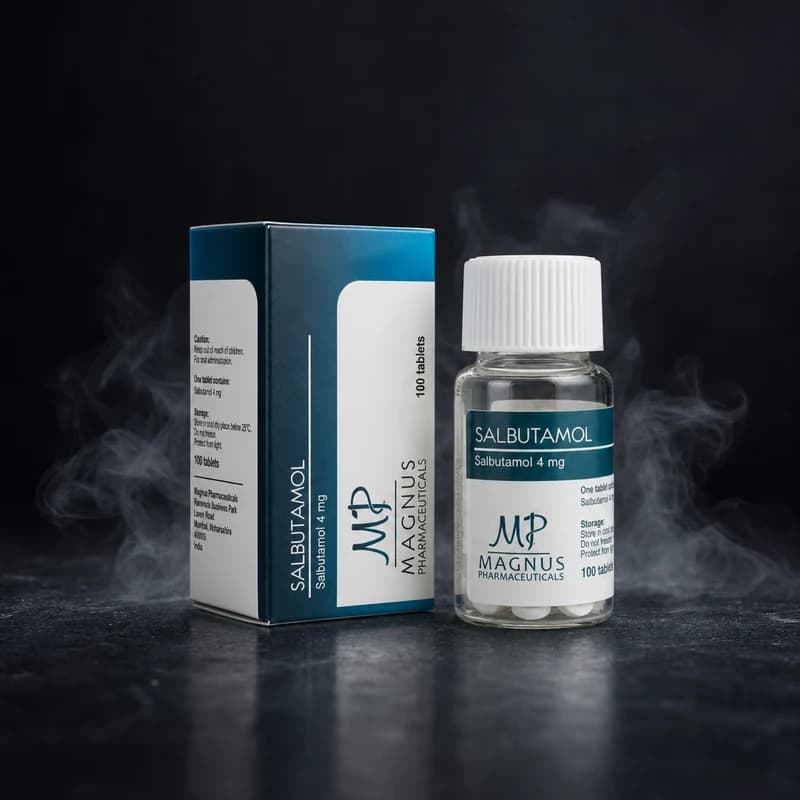
Salbutamol 4mg/tab 100 Tablets by Magnus Pharmaceuticals sits at the mid-tier and aligns with the dose range most frequently cited in clinical literature (typically 8–16 mg daily, divided into two to four intakes). This concentration offers practical convenience for users who have already established individual tolerance and wish to reduce tablet count while maintaining flexibility. Magnus Pharmaceuticals has established a solid reputation within European performance markets, and this product is among the most frequently selected options within the category for its balance of usability and value.
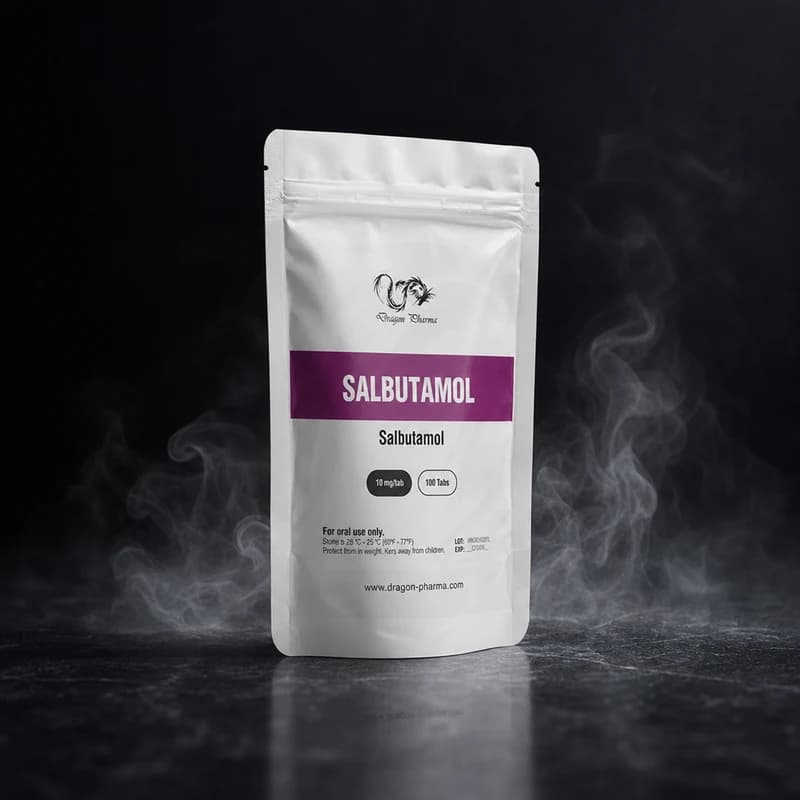
Salbutamol 10mg/tab 100 Tablets by Dragon-Pharma is the highest-concentration option in our range and is intended for experienced users who have previously used lower-strength salbutamol or structurally related beta-2 agonists and have a clear understanding of their personal response. At 10 mg per tablet, individual dose adjustment requires more care; some users choose to split tablets. Dragon-Pharma is a widely distributed manufacturer with a longstanding presence in the international bodybuilding supplement space, and their 10 mg formulation caters specifically to the higher end of documented usage protocols.
All three pack sizes deliver 100 tablets, meaning the total supply duration varies meaningfully by concentration. At a typical daily intake of 12 mg, the 2 mg tier provides approximately 16 days of supply, the 4 mg tier around 33 days, and the 10 mg tier — if halved or quartered — can extend to a longer cycle. Users are encouraged to plan their cycles around these figures when selecting a product.
Frequently Asked Questions
What is the difference between salbutamol and clenbuterol for fat loss?
Both are beta-2 adrenergic agonists that stimulate lipolysis via the cAMP pathway, but salbutamol has a significantly shorter half-life (4–6 hours versus clenbuterol's 35–40 hours), allowing for more flexible daily dosing and faster clearance. Salbutamol is also considered to have a more manageable side-effect profile for many users, particularly regarding cardiovascular overstimulation during initial adaptation.
What oral dose of salbutamol is referenced in bodybuilding contexts?
Clinical research exploring salbutamol's anabolic and lipolytic effects has typically used daily oral doses between 8 mg and 16 mg, divided into two to four administrations across the day. Most bodybuilding protocols align with this range, often starting at the lower end to assess individual cardiovascular and neurological tolerance before progressing.
Why does salbutamol come in such different tablet strengths?
Different concentration tiers serve different user profiles. Lower doses (2 mg) allow precise titration for new users or those sensitive to stimulants, mid-range (4 mg) suits established protocols requiring fewer tablets, and higher concentrations (10 mg) address experienced users running documented higher-dose cycles. Having multiple strengths within one category makes dose management significantly more practical.


 Lab Tested