β2-Adrenoceptor Agonism: The Pharmacological Engine Behind Salbutamol's Fat-Loss Action
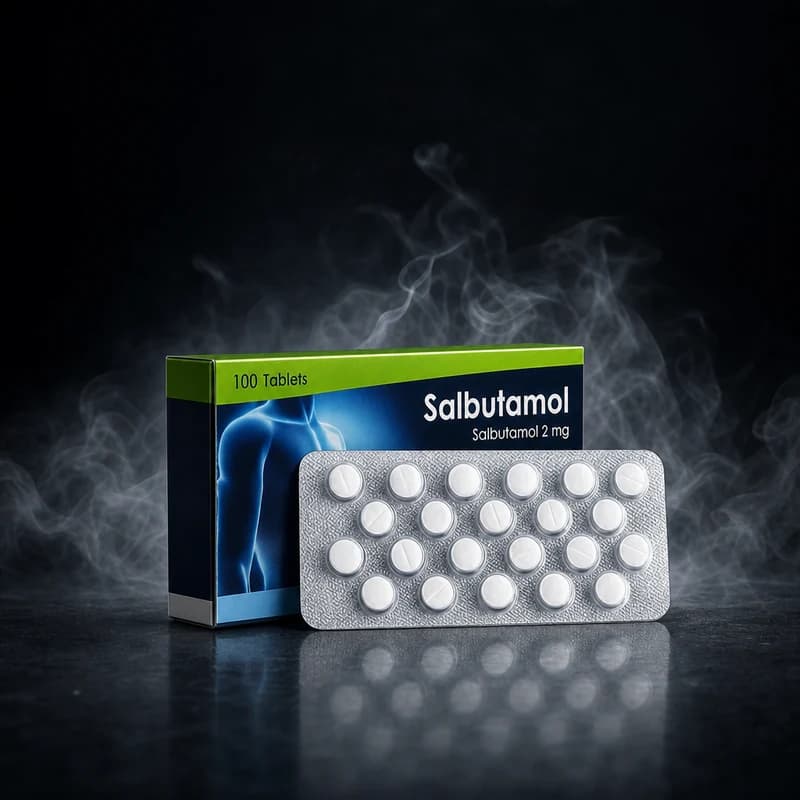
Salbutamol 10 mg/tab by Dragon-Pharma is a high-concentration oral β2-selective adrenoceptor agonist whose primary mechanism operates through the direct stimulation of β2-adrenergic receptors expressed on bronchial smooth muscle, cardiac tissue, and — critically for body-composition purposes — white and brown adipocytes. When salbutamol binds to the β2 receptor, it activates adenylyl cyclase via a Gs protein coupling event, converting ATP into cyclic adenosine monophosphate (cAMP). Elevated intracellular cAMP then activates protein kinase A (PKA), which phosphorylates hormone-sensitive lipase (HSL) and initiates triglyceride hydrolysis in fat cells — a cascade confirmed across multiple in vitro models (Carpéné et al., British Journal of Pharmacology, 1993).
cAMP Elevation and Its Downstream Metabolic Effects
Rising cAMP levels exert a broad metabolic influence that extends well beyond simple lipolysis. Protein kinase A activation upregulates uncoupling protein-1 (UCP-1) expression in brown adipose tissue, increasing mitochondrial proton leak and shifting substrate oxidation toward heat production rather than ATP synthesis — a process clinically recognised as non-shivering thermogenesis. Compared to non-selective adrenergic agonists such as ephedrine, salbutamol's β2 selectivity produces a stronger lipolytic signal with a more manageable cardiovascular load, because β1 receptor-mediated chronotropic effects are engaged at considerably higher concentrations. This selectivity ratio is the pharmacological reason β2-specific agonists dominate body-composition protocols rather than broader-spectrum sympathomimetics.
Receptor Desensitisation and Cycle Management
Salbutamol stimulates β2-adrenoceptors to elevate cAMP and accelerate fat oxidation, yet sustained activation causes β2-receptor downregulation through G protein-coupled receptor kinase (GRK) phosphorylation and β-arrestin-mediated internalisation — a desensitisation process that measurably attenuates thermogenic output within 2–3 weeks of continuous use (Haugen & Larsen, European Journal of Endocrinology, 2012). Dragon-Pharma's 10 mg tablet format supports structured cycling protocols — such as two-weeks-on/two-weeks-off — because each tablet functions as a discrete, splittable dose unit that allows stepwise titration from a low introductory dose upward before the cycle break. Every production batch of this 100-tablet unit passes HPLC quantification and LAL endotoxin screening under GMP-certified conditions, ensuring that the receptor stimulation intensity users calculate from label figures is the intensity they actually receive.
Manufacturing Verification
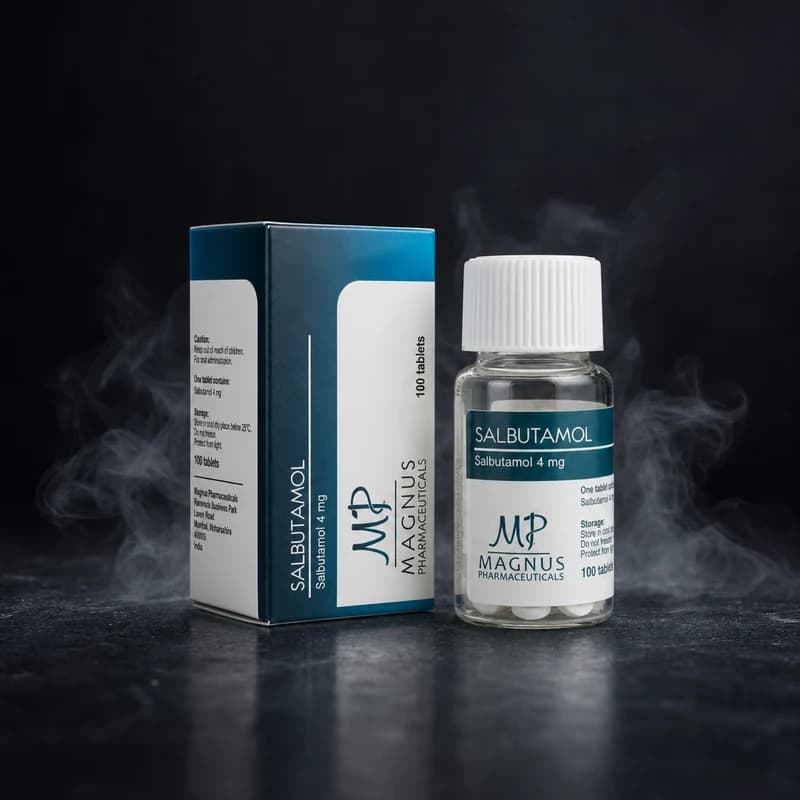
Dragon-Pharma confirms the declared 10 mg per tablet potency through batch-specific HPLC analysis referenced against a certified salbutamol reference standard, with all documentation retained at batch level prior to distribution clearance.

 HPLC Verified