What Protocol Duration Looks Like for Injectable Semaglutide
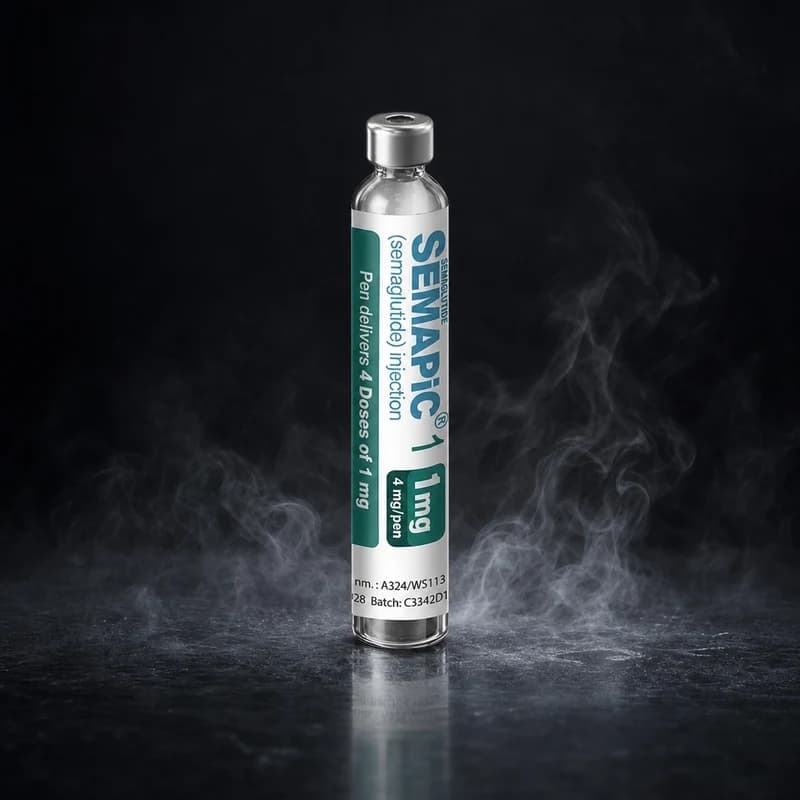
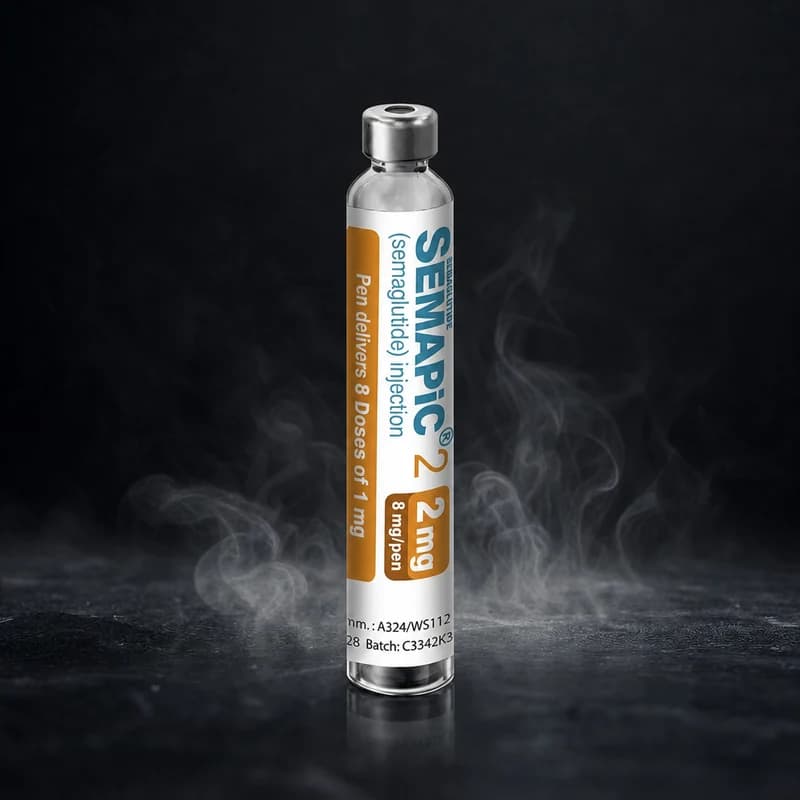
Semaglutide 10mg/10ml by Swiss Pharma is a GLP-1 receptor agonist in injectable vial form whose defining clinical characteristic is a well-mapped relationship between protocol length, cumulative dose exposure, and the physiological checkpoints that determine whether a cycle continues or stops. Unlike dose-focused metrics, protocol-duration framing asks a different question: not how much, but how long — and what ends it. Evidence from STEP-programme trial data, which used 68-week maximum endpoints, indicates that meaningful weight-loss plateaus emerge between weeks 16 and 20 at maintenance doses, giving practitioners a data-anchored window for planning cycle exit.
Structuring a Safe Run: Entry, Maintenance, and Exit
A well-structured semaglutide cycle comprises three distinct phases: a dose-escalation entry phase (typically weeks 1–8), a maintenance plateau phase (weeks 9–16+), and a planned taper-to-exit window (final 2–4 weeks). Compared to abrupt cessation, a graduated taper reduces rebound appetite overshoot documented in pharmacokinetic models as peak plasma rebound following rapid GLP-1 withdrawal. Swiss Pharma's 10mg/10ml concentration allows the practitioner to draw fractional weekly doses — as low as 0.25mg (0.25ml per injection) — without dilution, maintaining measurement precision across all three phases. The vial format, used with insulin-grade syringes, supports micro-increment dose adjustments that a fixed-pen device cannot deliver at this concentration range.
Discontinuation Criteria: When the Protocol Must Stop
Four primary discontinuation triggers apply to semaglutide protocols regardless of planned run length. First, sustained resting heart rate elevation above 100 bpm across two consecutive weekly checks warrants immediate cessation. Second, persistent Grade 2 or higher vomiting (defined as limiting instrumental activities of daily life per CTCAE v5.0) after dose-hold strategies have failed signals protocol failure. Third, any imaging or laboratory finding consistent with pancreatitis — serum amylase or lipase exceeding three times the upper normal limit — constitutes an absolute stop criterion. Fourth, unresolved injection-site induration or abscess formation requires both cessation and medical evaluation. Protocols should also be suspended before any elective surgical procedure requiring general anaesthesia due to gastroparesis-related aspiration risk.
Monitoring Schedule During the Protocol
Fortnightly bodyweight tracking, monthly fasting glucose, and quarterly lipid panel checks form the minimum monitoring framework. Practitioners running cycles beyond 16 weeks should add a DEXA scan at week 12 to quantify lean-mass retention rates — a meaningful checkpoint given that structured resistance training is the primary variable determining body-composition outcomes during extended GLP-1 exposure.

 Lab Tested