forgemax.FORGED. TESTED. PROVEN.
Ozempic 1mg/3ml 1 Pen by Novo Nordisk
Lab Tested

Ozempic 1mg/3ml 1 Pen by Novo Nordisk

5 (2 reviews)

Ozempic (semaglutide 1 mg/3 ml) is a prefilled subcutaneous pen that functions as a selective GLP-1 receptor agonist, engaging the endogenous incretin signalling axis to regulate postprandial glucose excursions, attenuate gastric motility, and sustain appetite suppression across a full weekly dosing interval. A C18 fatty-acid side chain anchors semaglutide to circulating albumin, conferring a plasma half-life of approximately 165–168 hours and enabling true once-weekly receptor engagement with minimal peak-to-trough fluctuation. Every Ozempic pen is released only after HPLC content verification, LAL endotoxin screening, and batch-level GMP compliance review at Novo Nordisk's certified manufacturing facilities.

€180.00Free shipping on orders over €300
In stock
Ships within 48 h Lab-tested batch
  • Activates GLP-1 receptors on pancreatic β-cells for glucose-dependent insulin release without hypoglycaemia risk at normal glucose levels.
  • Engages hypothalamic satiety pathways to reduce caloric intake across the full weekly dosing interval.
  • Slows gastric emptying via enteric nervous system modulation, flattening postprandial glucose peaks.
  • Resists DPP-4 enzymatic degradation through Aib8 substitution, sustaining therapeutic plasma concentrations for 7 days.
  • Delivered via a prefilled, dial-dose subcutaneous pen — no reconstitution, no syringe calculation required.
  • HPLC-verified purity and LAL endotoxin-cleared batch release ensure parenteral-grade safety.
  • Backed by the SUSTAIN clinical programme — one of the largest GLP-1 agonist evidence bases available.

Key takeaways

  • Understand that semaglutide mimics GLP-1 to regulate insulin and appetite simultaneously.
  • Expect once-weekly dosing thanks to a 165–168-hour plasma half-life.
  • Titrate from 0.25 mg upward to minimise gastrointestinal side effects during initiation.
  • Store opened pens below 30 °C and use within 56 days of first injection.
  • Confirm Lab Tested batch status before administration for parenteral safety assurance.

GLP-1 Receptor Agonism: The Incretin Mechanism Behind Semaglutide

Ozempic semaglutide 1 mg/3 ml functions as a structural analogue of endogenous GLP-1, occupying the GLP-1 receptor with high affinity to trigger a coordinated cascade of glucose-lowering, appetite-suppressing, and gastric-motility-reducing effects. Unlike native GLP-1, which is degraded by dipeptidyl peptidase-4 (DPP-4) within minutes of secretion, semaglutide resists enzymatic cleavage through a strategic Aib8 amino-acid substitution and albumin-binding via its C18 fatty-acid linker — extending circulating half-life to approximately 165–168 hours (confirmed by population pharmacokinetic modelling in the SUSTAIN clinical programme). This durability is the defining pharmacokinetic advantage compared to shorter-acting GLP-1 agonists such as exenatide, which requires twice-daily dosing to maintain therapeutic plasma levels.

How GLP-1 Receptor Activation Drives Satiety and Glycaemic Control

Semaglutide binds the GLP-1 receptor on pancreatic β-cells, stimulating glucose-dependent insulin secretion and simultaneously suppressing glucagon release — a dual action that reduces hepatic glucose output without causing hypoglycaemia at physiological glucose concentrations. Semaglutide also activates hypothalamic GLP-1 receptors, which modulate the arcuate nucleus satiety circuitry; SUSTAIN 1–5 data showed mean HbA1c reductions of 1.0–1.8 % and body-weight reductions of 4–6 kg versus placebo at the 1 mg dose. In the gastrointestinal tract, GLP-1 receptor activation inhibits the enteric nervous system's prokinetic pathways, slowing antral contractility and extending the time to gastric emptying — a mechanism that reduces postprandial glucose excursions independently of insulin.

Compared to Dual GLP-1/GIP Agonists

Semaglutide targets exclusively the GLP-1 receptor, whereas next-generation molecules such as tirzepatide engage both GLP-1 and GIP receptors. Selective GLP-1 agonism is well-characterised across more than a decade of SUSTAIN and STEP trial data, giving practitioners a robust evidence base for dose titration and safety monitoring. For users seeking established incretin pharmacology with a single weekly injection and a well-mapped side-effect profile, the 1 mg/3 ml Ozempic pen represents the reference standard in its class.

Analytical Standards and Batch Release

Every Ozempic pen released by Novo Nordisk undergoes HPLC-based purity quantification to confirm semaglutide content and identify any degradation products, LAL (Limulus Amebocyte Lysate) endotoxin testing to ensure parenteral safety, and batch sterility assurance under EU GMP Annex 1 aseptic-manufacturing guidelines. The prefilled, multi-dose pen format delivers precise 0.25 mg, 0.5 mg, or 1 mg doses per injection through a dial-and-inject mechanism, eliminating manual reconstitution errors.

Usage

  1. Retrieve the Ozempic pen from refrigerator storage (2–8 °C) at least 30 minutes before injection to allow the solution to reach room temperature — cold injection increases local discomfort at the GLP-1 receptor-stimulated injection site.
  2. Inspect the solution visually: semaglutide solution should be clear and colourless to slightly yellow; do not use if particulates or cloudiness are present, as degradation compromises receptor binding integrity.
  3. Attach a new NovoFine or compatible pen needle by screwing it on until secure; perform a small air-shot to confirm pen flow — this step is critical with prefilled incretin pens to avoid air-bubble dosing errors.
  4. Dial the prescribed dose (0.25 mg, 0.5 mg, or 1 mg) by turning the dose selector until the correct number aligns with the pointer — the incremental dial prevents accidental over-dosing during the GLP-1 titration phase.
  5. Inject subcutaneously into the abdomen, thigh, or upper arm; rotate injection sites weekly to prevent lipohypertrophy, which can impair semaglutide absorption and blunt GLP-1 receptor-mediated glucose response.
  6. After injection, hold the pen in place for 6 seconds before withdrawing to ensure full dose delivery, then remove and safely dispose of the needle; record the date of first use and ensure the pen is used within 56 days.

Warnings

Contraindications: Ozempic is contraindicated in individuals with a personal or family history of medullary thyroid carcinoma (MTC) or Multiple Endocrine Neoplasia syndrome type 2 (MEN 2), as GLP-1 receptor activation has been shown to stimulate calcitonin secretion and C-cell proliferation in rodent models. It is also contraindicated in patients with a known hypersensitivity to semaglutide or any excipients. Do not use during pregnancy or breastfeeding.

Side Effects: Slowed gastric emptying drives the typical reaction profile — queasiness after meals, loose stools, occasional vomiting, and a feeling of abdominal pressure, most intense during the first month of pen use. Most users report these fading as the gut adapts. Redness or itching around the injection site, a slightly elevated pulse, and isolated pancreatitis cases round out the documented picture.

Monitoring: Draw fasting glucose and HbA1c before the first injection, then every three months to gauge metabolic response. Watch hydration status closely — poor fluid intake on this therapy is the main driver of kidney stress. Long-term users should add a yearly thyroid check with serum calcitonin as a precaution.

PCT: Ozempic does not suppress the hypothalamic-pituitary-gonadal (HPG) axis and therefore does not require conventional post-cycle therapy (PCT) as used in anabolic steroid protocols. Discontinuation should be gradual and medically supervised; abrupt cessation can lead to rapid glycaemic rebound and weight regain as GLP-1 receptor stimulation ceases. Dietary and behavioural strategies should be established before discontinuation to maintain metabolic outcomes.

Frequently asked questions

How does GLP-1 receptor agonism actually produce weight loss in the body?
GLP-1 receptor agonists like semaglutide reduce body weight through two converging mechanisms: central appetite suppression via hypothalamic GLP-1 receptors and peripheral slowing of gastric emptying that prolongs satiety signals. In the SUSTAIN 8 trial, semaglutide 1 mg produced a mean weight reduction of approximately 5.5 kg over 56 weeks compared to 1.9 kg with canagliflozin, illustrating the magnitude of incretin-driven weight effect.
What distinguishes GLP-1 receptor agonism from GIP receptor agonism at the molecular level?
GLP-1 and GIP receptors are both Class B G-protein-coupled receptors but couple to overlapping yet distinct downstream effectors. GLP-1 receptor activation dominantly drives cAMP-mediated insulin secretion and appetite suppression, while GIP receptor activation additionally engages adipocyte pathways involved in lipid storage. Semaglutide acts solely on GLP-1 receptors, giving it a cleaner, more extensively studied pharmacological profile versus dual GLP-1/GIP co-agonists.
Why does semaglutide slow gastric emptying, and does this effect persist long term?
Semaglutide slows gastric emptying by activating GLP-1 receptors on vagal afferents and enteric neurons, reducing antral contractility and pyloric tone. Clinical data from paracetamol absorption studies show this effect is most pronounced in the first weeks of treatment and attenuates partially over time — a phenomenon sometimes called tachyphylaxis of the gastric-emptying effect — while glycaemic and weight benefits are maintained, suggesting alternative mechanisms sustain the therapeutic outcome.
How should the Ozempic 1mg/3ml prefilled pen be stored and how long is it usable after first use?
Before first use, Ozempic pens must be stored in a refrigerator at 2–8 °C away from the freezing element. Once the pen is in use, it can be kept at room temperature (below 30 °C) or refrigerated for up to 56 days (8 weeks). Never freeze a pen that has been opened, as freezing degrades the semaglutide solution and invalidates dose accuracy.
Why is the 1mg/3ml concentration considered the entry-level dose in the Ozempic pen range, and how is dosing dialled in?
The 1 mg/3 ml pen contains the lowest commercially available semaglutide concentration in the Ozempic range, making it the preferred option during the mandatory dose-escalation phase — starting at 0.25 mg once weekly for four weeks, then 0.5 mg, before reaching the 1 mg maintenance dose. The pen's dial mechanism allows the prescriber-directed dose to be set precisely without reconstitution or syringe measurement, minimising injection error. (2) angle_used

Manufacturer

Novo Nordisk's journey into metabolic medicine began more than a century ago in Denmark, rooted initially in insulin production at a time when diabetes treatment options were virtually non-existent. Over subsequent decades, the company evolved from a Scandinavian pharmaceutical producer into one of the world's largest dedicated metabolic-disease specialists, with manufacturing infrastructure spanning Kalundborg, Denmark — one of the world's single largest pharmaceutical production sites by output volume. The development of semaglutide represents the culmination of Novo Nordisk's incretin research programme, which dates to the early 2000s and built directly on foundational academic work mapping the GLP-1 receptor's structure and signalling pathways. Ozempic's path from molecule to market involved the landmark SUSTAIN clinical programme — eight large-scale Phase III randomised controlled trials enrolling tens of thousands of patients globally — a regulatory and scientific investment that positioned semaglutide as the reference molecule against which subsequent GLP-1 and dual incretin agonists are benchmarked. Novo Nordisk manufactures Ozempic under EU GMP Annex 1 aseptic conditions, with each production batch subject to HPLC purity verification, LAL endotoxin clearance testing, and pharmacopoeial sterility assurance before release.

Product details

BrandNovo Nordisk
Active ingredientsemaglutide
Also known asSemaglutid, Ozempic, Wegovy, Novo Nordisk Semaglutid
Strength1 mg
FormVial
Pack size1 piece
Item numberWEIGHT-SEMA-NOV-001

Reviews

5/5

2 reviews

  • Rating: 5 out of 5 starsjetVerified purchase

    Dropped 14lbs in 8 weeks

    Been running 0.5mg weekly for the first month then bumped to 1mg. Appetite just vanished. Down from 231lbs to 217lbs over 8 weeks while keeping most of my muscle. Packaging was discreet, arrived in 6 days. Genuine stuff, no doubt.

  • Rating: 5 out of 5 starsonyxVerified purchase

    legit pen, works perfectly

    used the 0.25mg titration for two weeks then moved to 0.5mg. Nausea was mild and gone by week three, lost 11lbs in 6 weeks without touching my training split. Pen mechanism is smooth, dose clicks are clean. Will reorder.

Write a review

Your rating *

Your review will be checked before publication.

Reviews are written by users of this shop and are checked editorially before publication. Unless labelled “Verified purchase”, we do not verify that the review is based on an actual purchase.

Similar products

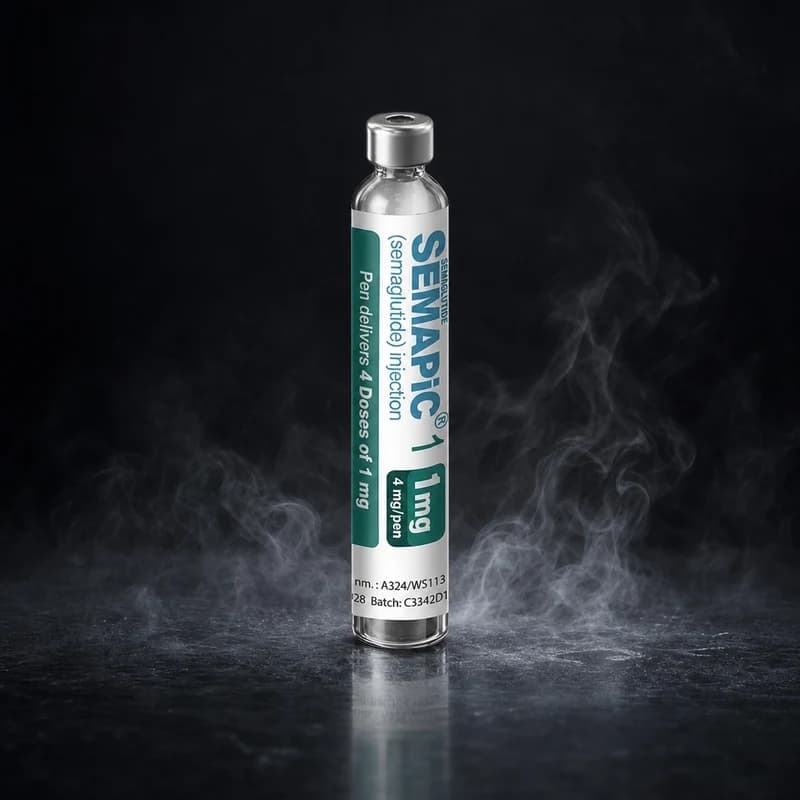
Semapic 1mg/3ml 1 Pen by PharmaconaPharma Grade

Semapic 1mg/3ml 1 Pen by Pharmacona

€195.00
Semapic 2mg/3ml 1 Pen by PharmaconaPurity Tested

Semapic 2mg/3ml 1 Pen by Pharmacona

€195.00
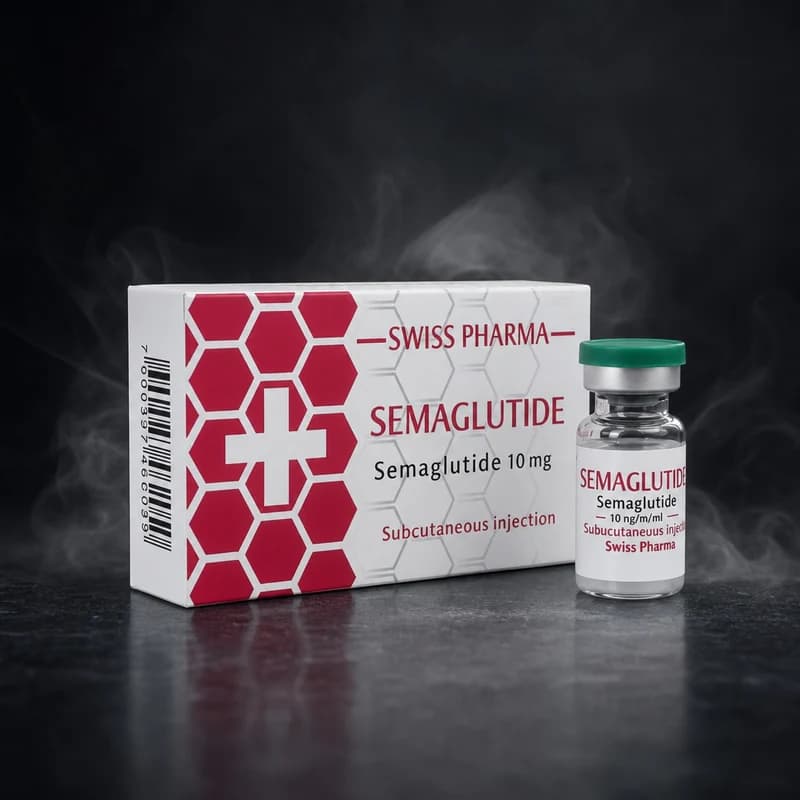
Semaglutide 10mg/10ml 1 Vial by Swiss PharmaGMP Standard

Semaglutide 10mg/10ml 1 Vial by Swiss Pharma

€60.00

Stack it with

Pairs well with these products.

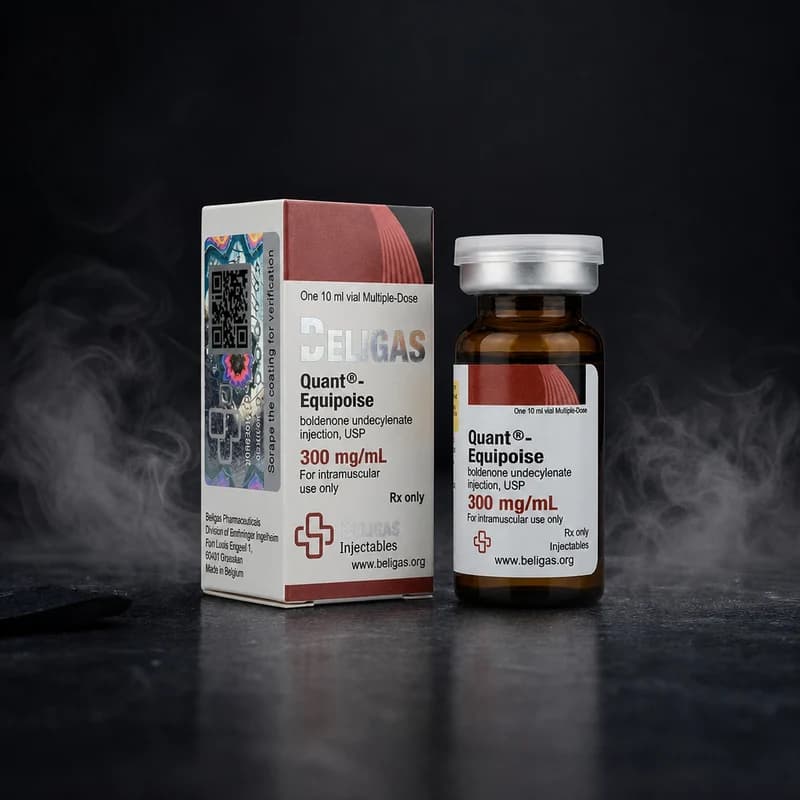
Quant-Equipoise 300mg/ml 10ml Vial by Beligas PharmaceuticalsHigh Concentration

Quant-Equipoise 300mg/ml 10ml Vial by Beligas Pharmaceuticals

€47.00
Bolden-250 250mg/ml 10x1ml Ampoules by BM PharmaceuticalsLong-Acting Formula

Bolden-250 250mg/ml 10x1ml Ampullen by BM Pharmaceuticals

€48.00
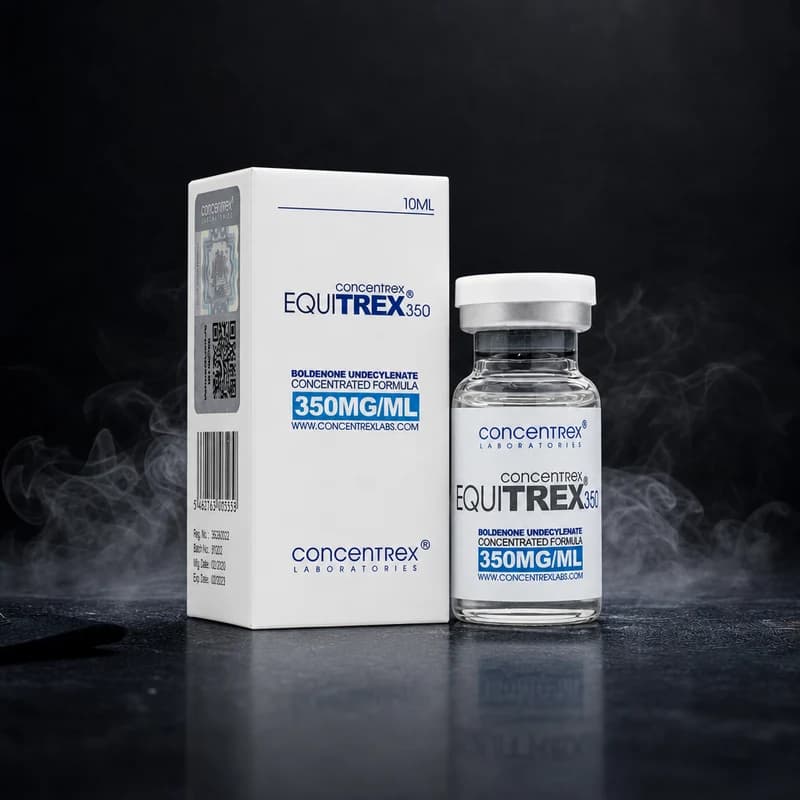
EquiTrex 350mg/ml 10ml Vial by Concentrex LabsBrand Quality

EquiTrex 350mg/ml 10ml Vial by Concentrex Labs

€52.00
EQ 300 300mg/ml 10ml Vial by Dragon-PharmaPro Choice

EQ 300 300mg/ml 10ml Vial by Dragon-Pharma

€44.00