Tirzepatide as an Incretin Mimetic: How the Molecule Regulates Metabolism
Tirzepatide is a synthetic dual incretin mimetic — a single peptide engineered to co-activate both the glucagon-like peptide-1 (GLP-1) receptor and the glucose-dependent insulinotropic polypeptide (GIP) receptor, producing coordinated effects on postprandial glucose disposal, gastric motility, and central satiety signalling. This mechanistic breadth distinguishes incretin mimetics from older antidiabetic classes: where sulfonylureas stimulate insulin release independently of nutrient intake, tirzepatide modulates insulin and glucagon secretion only in the presence of elevated glucose, a property that sharply limits hypoglycaemia risk at therapeutic doses.
In SURPASS-2 trial data, tirzepatide at 10 mg and 15 mg weekly produced mean HbA1c reductions of 2.01% and 2.30% respectively, measured by standard laboratory HbA1c assay — reductions that exceeded those seen with semaglutide 1 mg in a head-to-head arm of the same study. The GIP receptor arm of tirzepatide's activity contributes meaningfully here: GIP co-agonism enhances glucose-stimulated insulin secretion from pancreatic beta cells beyond what GLP-1 receptor activation alone achieves, and the additive effect on glycaemic control is measurable rather than theoretical.
Gastric Emptying, Meal Termination, and Satiety Architecture
Tirzepatide slows gastric emptying through GLP-1 receptor-mediated inhibition of gastric motility, extending the time nutrients remain in the stomach and blunting the rate of postprandial glucose absorption into the portal circulation. This delay modifies meal termination behaviour: subjects report earlier fullness onset and reduced inter-meal hunger, consistent with prolonged gastric distension signals reaching the vagus nerve and brainstem satiety centres. Clinical meal-test data from the SURPASS programme recorded significant reductions in 4-hour postprandial glucose excursions, with the magnitude correlating to dose across the 5 mg–15 mg range.
Compared to GLP-1 mono-agonism at matched receptor occupancy, the dual incretin profile of tirzepatide sustains satiety regulation through a second receptor pathway — meaning that if GLP-1 receptor downregulation occurs over prolonged exposure, GIP receptor signalling continues to contribute to appetite suppression and metabolic modulation.
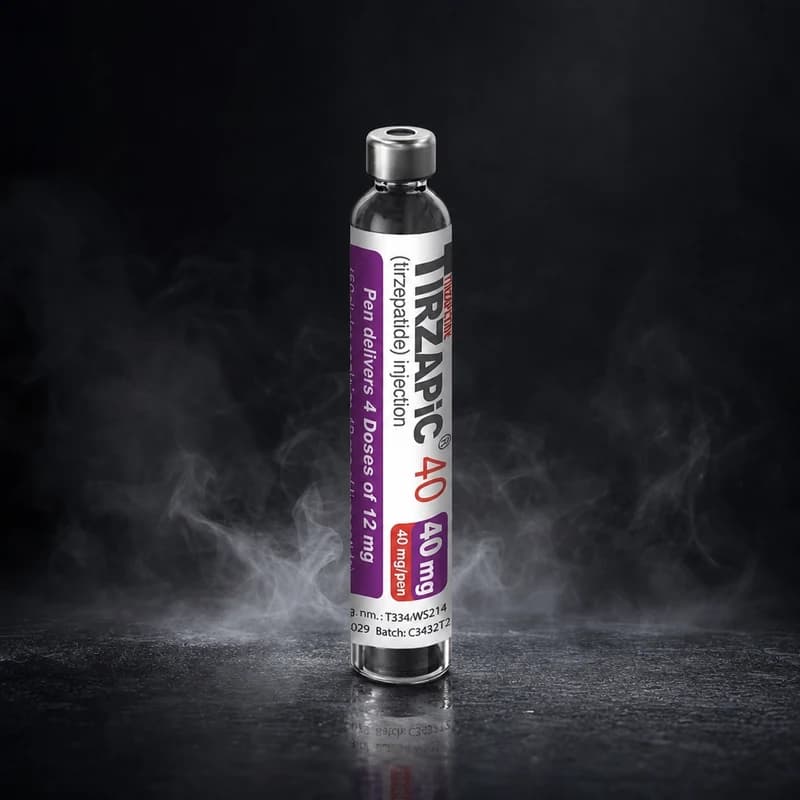
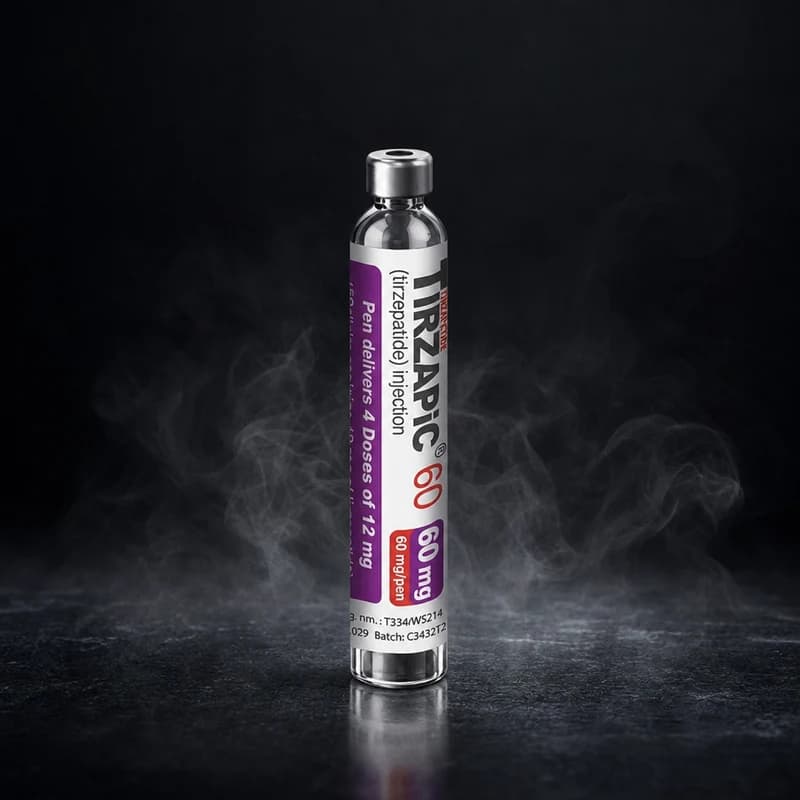
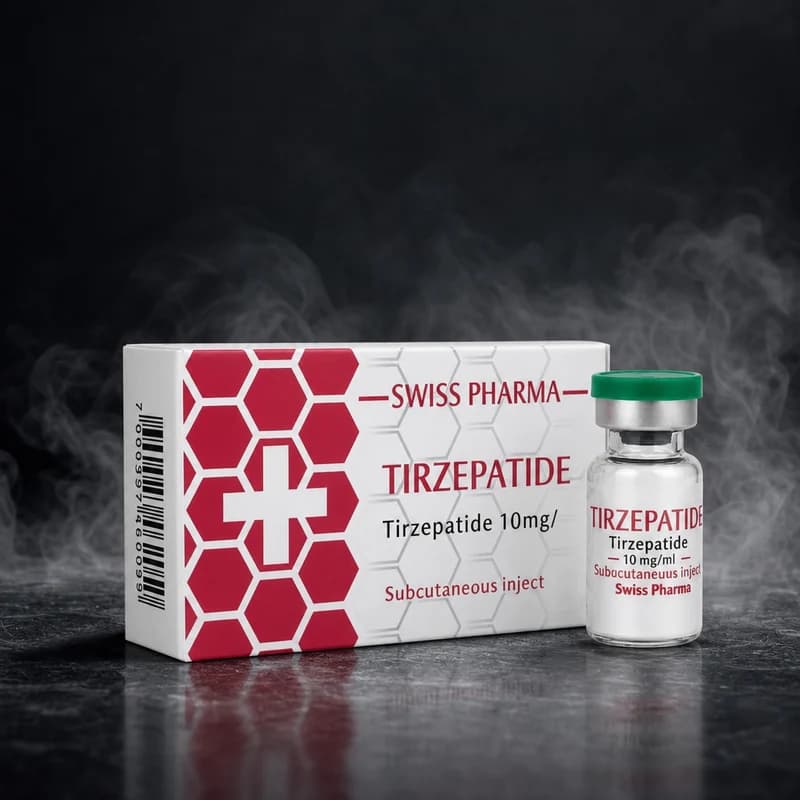
Master Pharma 10mg/Vial: Concentration, Reconstitution, and Dosing Precision
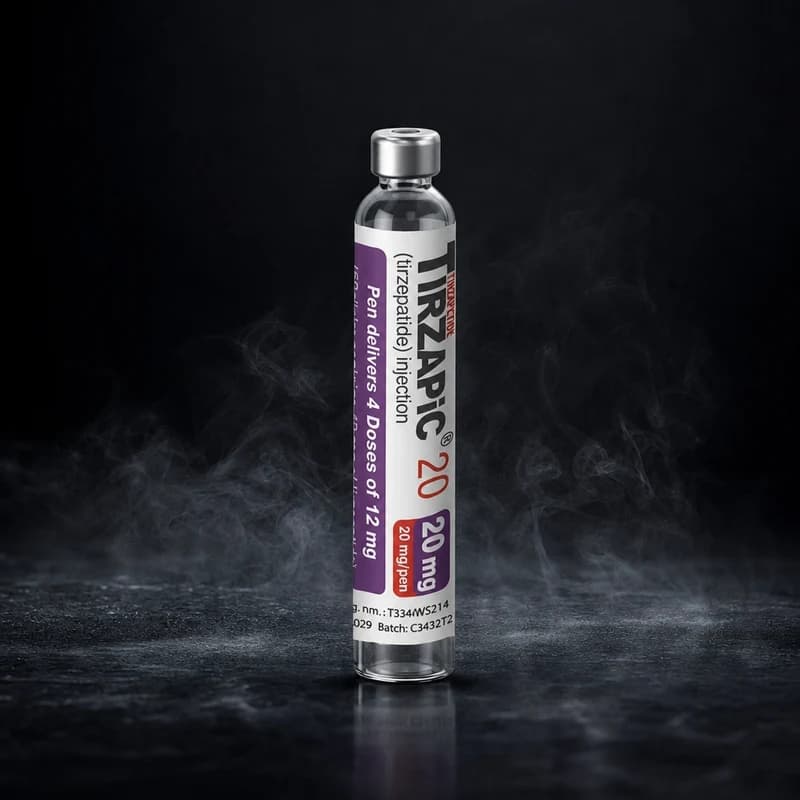
At 10 mg per vial, this SKU represents the highest single-vial concentration in the Master Pharma tirzepatide line, enabling full weekly doses from 2.5 mg up to 10 mg from a single reconstituted vial without mid-cycle preparation changes. Following reconstitution with bacteriostatic water, each 0.1 ml drawn in a U-100 insulin syringe corresponds to a calculable dose fraction determined by the diluent volume used — a straightforward arithmetic the reconstitution protocol sets out explicitly. Master Pharma applies HPLC active-content verification and LAL endotoxin testing on a lot-specific basis, with batch records traceable to the individual production run rather than aggregated across a shared peptide template.

 Lab Tested