Tirzepatide in Context: Where It Sits Among Incretin-Class Compounds
Tirzepatide is defined pharmacologically as a fatty-acid-conjugated, glucose-dependent dual-incretin receptor agonist whose single molecule activates both the glucagon-like peptide-1 (GLP-1) receptor and the glucose-dependent insulinotropic polypeptide (GIP) receptor simultaneously — a receptor-engagement profile that structurally sets it apart from mono-receptor agonists and short of the tri-receptor coverage offered by retatrutide. Understanding this positioning is essential before selecting a compound, because receptor breadth translates directly into mechanistic differences that affect outcomes in fat-loss, insulin dynamics, and tolerability.
Tirzepatide vs. Semaglutide: Two Receptors vs. One
Semaglutide targets only the GLP-1 receptor, whereas tirzepatide co-activates GIP alongside GLP-1 — a distinction confirmed across SURPASS and SURMOUNT clinical programmes. In the SURMOUNT-1 trial, participants on the 15 mg tirzepatide dose achieved a mean body-weight reduction of approximately 20.9 % over 72 weeks, compared to approximately 14–15 % typically reported for semaglutide 2.4 mg across STEP trials — a difference attributable in part to the additive metabolic contribution of GIP receptor engagement. Tirzepatide produces a broader insulin-sensitising effect in peripheral adipose tissue that semaglutide does not replicate through GLP-1 signalling alone. Side-effect profiles overlap substantially — both carry nausea, vomiting, and delayed gastric emptying as the most frequent adverse events — though GIP co-activation is associated with a modestly more favourable tolerability profile at equipotent doses in comparative studies.
Tirzepatide vs. Retatrutide: Dual vs. Triple Receptor Coverage
Retatrutide extends the mechanistic ladder by adding glucagon receptor (GCGR) agonism to the GLP-1/GIP combination already present in tirzepatide. Glucagon receptor activation amplifies energy expenditure through hepatic glucose output modulation and thermogenic signalling, which explains why Phase 2 RETATRUTIDE data demonstrated mean weight loss approaching 24 % at 48 weeks — numerically higher than the SURPASS/SURMOUNT tirzepatide benchmarks. Tirzepatide, by comparison, carries a more extensively characterised long-term safety database given its earlier regulatory approval timeline. For users prioritising a well-documented dual-incretin compound before progressing to triple-receptor territory, tirzepatide represents the logical intermediate step.
Pharmacona Tirzapic 60mg/3ml: Compound Comparison Applied to Format Selection
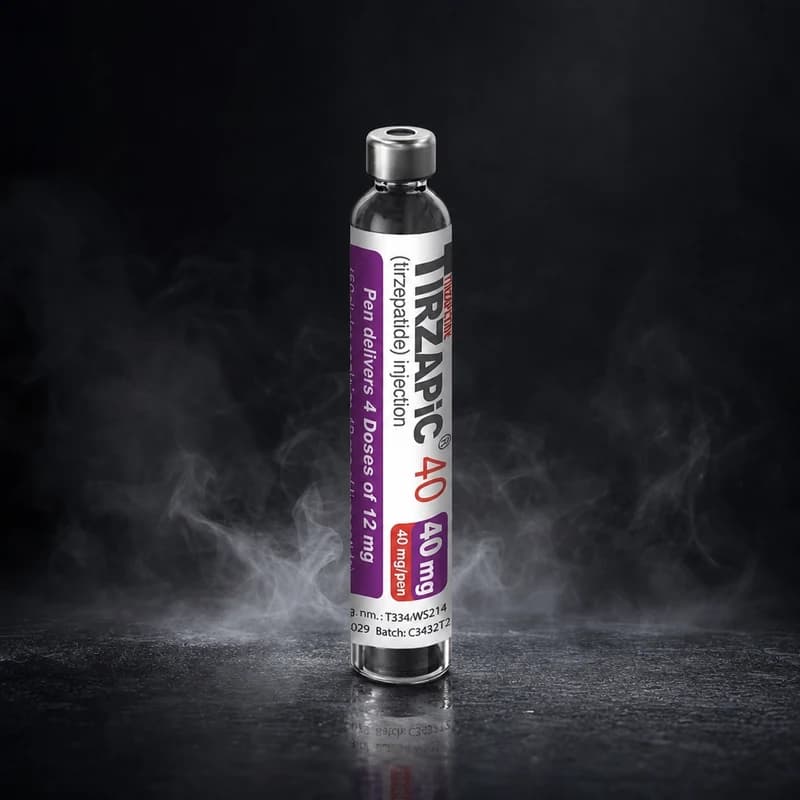
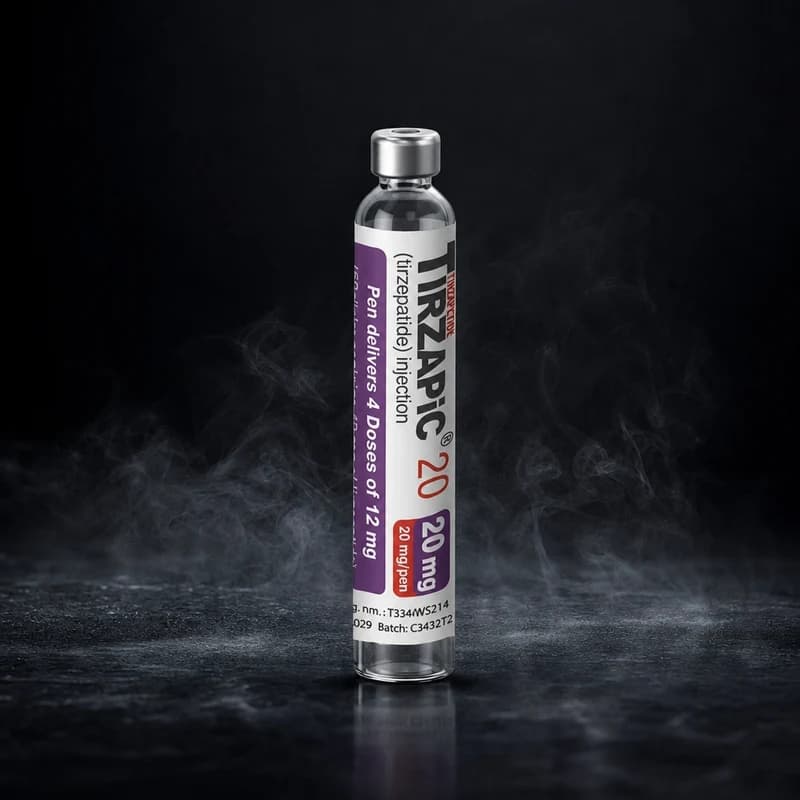
Pharmacona's Tirzapic pen contains 60 mg of tirzepatide across 3 ml — the highest single-pen tirzepatide concentration in the Pharmacona portfolio. This concentration allows dose titration from 2.5 mg through to 15 mg per weekly injection without requiring pen changes mid-cycle, making it the most economical format for users completing full 12–16 week titration protocols. Each batch is HPLC-verified for active-ingredient quantification and LAL-tested for endotoxin compliance before release under Pharmacona's GMP-certified manufacturing conditions.

 Lab Tested