Dual-Receptor Incretin Mechanism: How Tirzapic Works at the Molecular Level
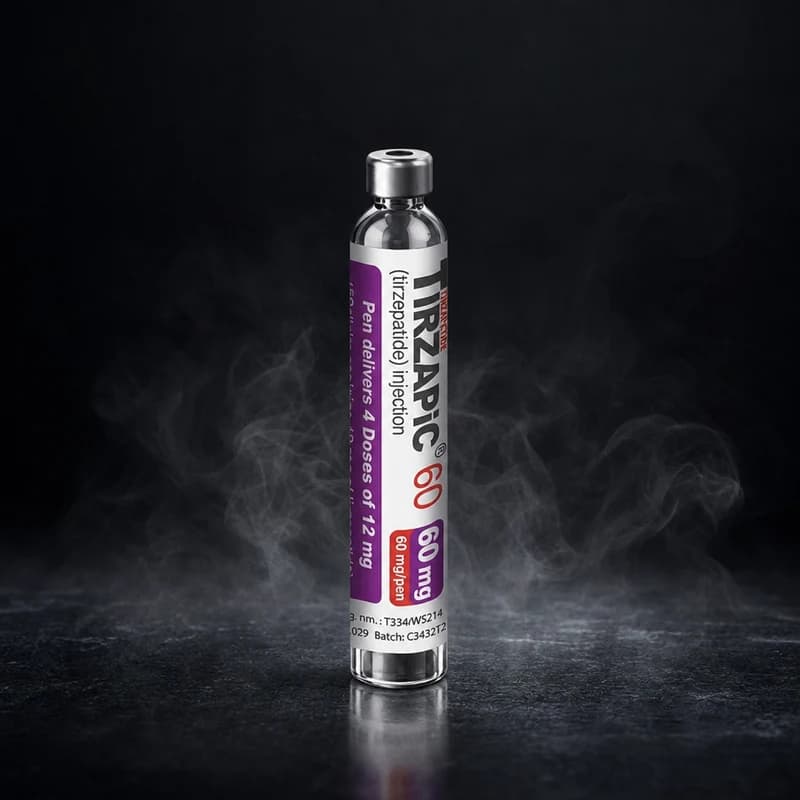
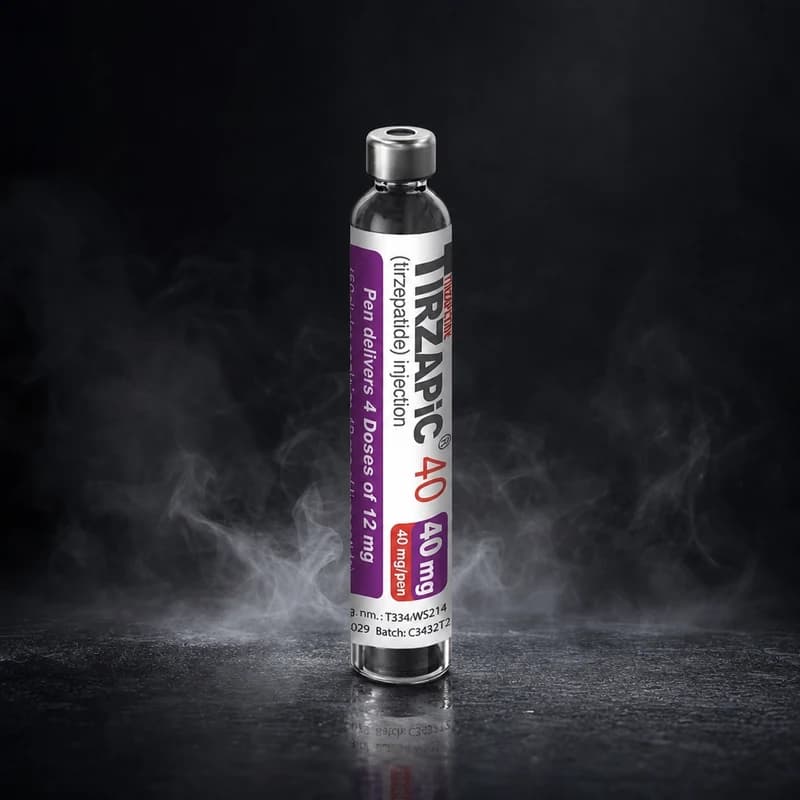
Tirzapic is a synthetic dual incretin agonist in which a single tirzepatide molecule co-activates both the glucagon-like peptide-1 (GLP-1) receptor and the glucose-dependent insulinotropic polypeptide (GIP) receptor, producing coordinated metabolic effects that neither pathway can fully generate alone. This simultaneous receptor engagement is what distinguishes tirzepatide pharmacologically from earlier mono-agonist incretins. Tirzepatide binds the GIP receptor with near-native affinity and the GLP-1 receptor with selective partial agonism — a combination deliberately tuned to maximise adipose reduction while limiting the nausea burden associated with full GLP-1 agonism.
GLP-1 vs. GIP: What Each Receptor Contributes
GLP-1 receptor activation drives three clinically significant responses: glucose-stimulated insulin secretion, suppression of post-meal glucagon release, and deceleration of gastric emptying — the last of which extends the duration of satiety by keeping ingested nutrients in the stomach longer. GIP receptor activation complements this by enhancing insulin sensitivity in adipose tissue, reducing the triglyceride storage signal, and, in central nervous system pathways, reinforcing the hypothalamic satiety arc. Compared to GLP-1 mono-agonists such as semaglutide, the addition of GIP co-agonism in tirzepatide has been associated in Phase 3 SURPASS trial data with an additional 3–5 % mean body-weight reduction at equivalent dose durations. Tirzapic delivers tirzepatide at 20 mg per 3 ml — providing dose flexibility across a multi-week escalation schedule.
Gastric Emptying, Satiety, and Blood Glucose: The Three Pillars
Gastric emptying slows because tirzepatide suppresses the enteric motility reflex via GLP-1 receptor signalling on vagal afferent nerves, reducing the rate at which chyme passes into the duodenum. This physical delay flattens the postprandial glucose curve, reducing peak insulin demand. Simultaneously, hypothalamic GLP-1 and GIP receptor activation reduces appetite-driving neuropeptide Y (NPY) expression, translating receptor-level biochemistry into measurable caloric intake reduction. Tirzepatide's plasma half-life of approximately 5 days (confirmed by pharmacokinetic studies in the SURPASS program) supports once-weekly dosing without receptor desensitisation between injections.
Lab Tested Quality: HPLC and LAL Release Standards
Every Tirzapic batch undergoes mandatory dual-method release testing: High-Performance Liquid Chromatography (HPLC) quantifies the declared 20 mg tirzepatide per pen to confirm potency and purity, while Limulus Amebocyte Lysate (LAL) endotoxin screening validates parenteral safety thresholds required for injectable-grade products. Pharmacona holds GMP certification across its manufacturing environment, and a batch-specific Certificate of Analysis is accessible to verified purchasers.

 HPLC Verified