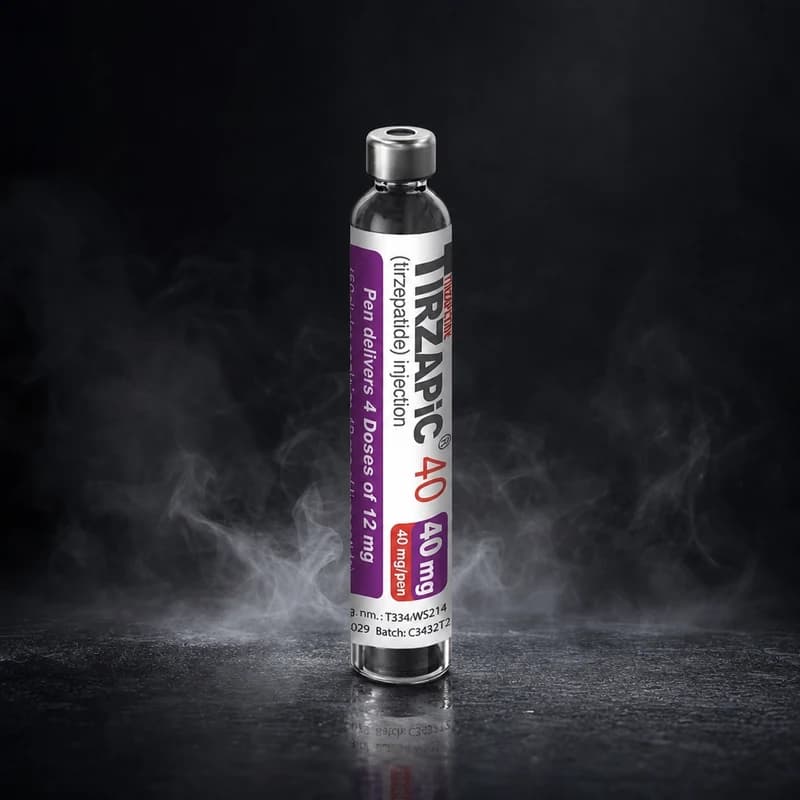
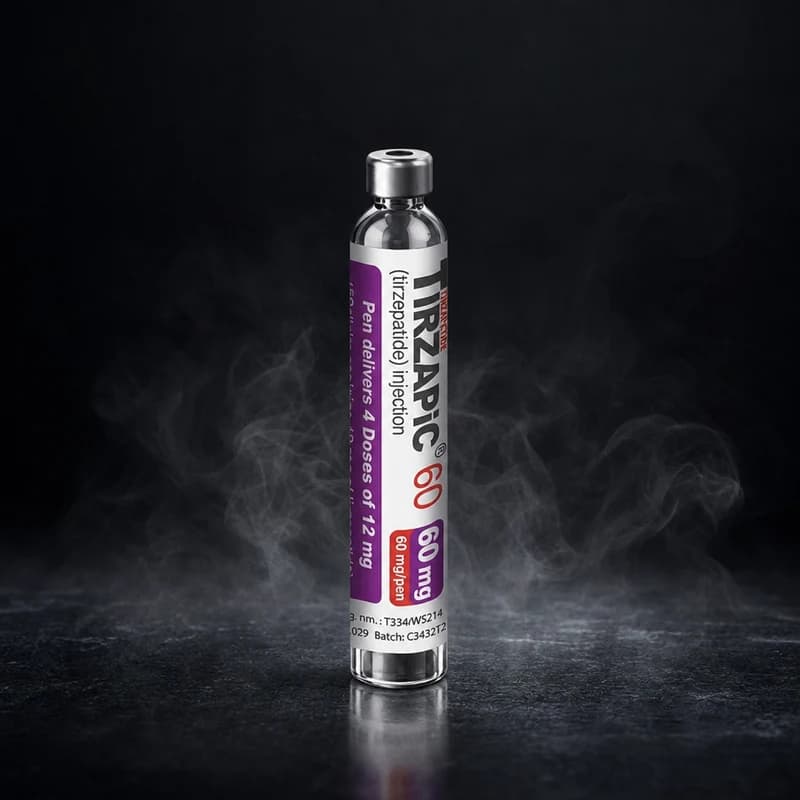
Tirzepatide as a Bodybuilding Periodisation Tool: Offseason and Cutting Applications
Tirzepatide is a synthetic dual-receptor incretin peptide that simultaneously engages GLP-1 and GIP signalling pathways, and its utility in competitive bodybuilding is best understood through the lens of training phase rather than as a blanket fat-loss agent. Unlike lifestyle-medicine applications where continuous dosing is standard, experienced physique athletes increasingly structure tirzepatide use around distinct offseason and cutting blocks — each demanding a different dosage philosophy and a different set of outcome metrics.
Offseason Considerations: Lean Bulking Without Excessive Fat Accumulation
During a caloric surplus phase, tirzepatide serves a containment function. Uncontrolled offseason eating commonly drives fat-mass accrual alongside muscle gain; tirzepatide moderates this by attenuating post-meal glycaemic excursions and reducing total daily caloric intake through enhanced satiety signalling at the gut-brain axis. Clinical data from SURMOUNT-1 (published in the New England Journal of Medicine, 2022) confirm that weekly tirzepatide produces dose-dependent reductions in body-weight irrespective of baseline dietary context — evidence that the compound remains active even when caloric intake is intentionally elevated. The practical offseason protocol therefore uses lower weekly doses (2.5–5 mg) to blunt fat spillover without impeding the caloric availability muscle growth requires. Compared to running higher doses in bulk, sub-maximal dosing preserves appetite sufficiently to maintain the surplus while improving nutrient partitioning through enhanced insulin sensitivity in skeletal muscle.
Contest Prep and Cutting: Accelerating the Deficit Phase
In a cutting block, tirzepatide's role shifts from containment to active energy-deficit amplification. Higher weekly doses (7.5–10 mg) reinforce dietary restriction by prolonging gastric transit time and sustaining inter-meal satiety, enabling athletes to maintain aggressive caloric deficits with less subjective hunger burden. Tirzepatide shortens the subjective difficulty of caloric restriction — a measurable quality-of-life advantage documented in patient-reported outcome instruments embedded in SURMOUNT trial protocols. One critical monitoring point: GLP-1-based therapies can attenuate lean mass retention if protein intake is not deliberately protected; bodybuilders on cutting protocols should target ≥ 2.2 g of protein per kilogram of bodyweight daily (a threshold supported by resistance-training nutrition meta-analyses, e.g. Morton et al., British Journal of Sports Medicine, 2018). Training performance at therapeutic doses is generally preserved when carbohydrate cycling is maintained, though some athletes report mild early-cycle fatigue during the nausea adaptation window of the first two to four weeks.
Swiss Pharma Quality Infrastructure
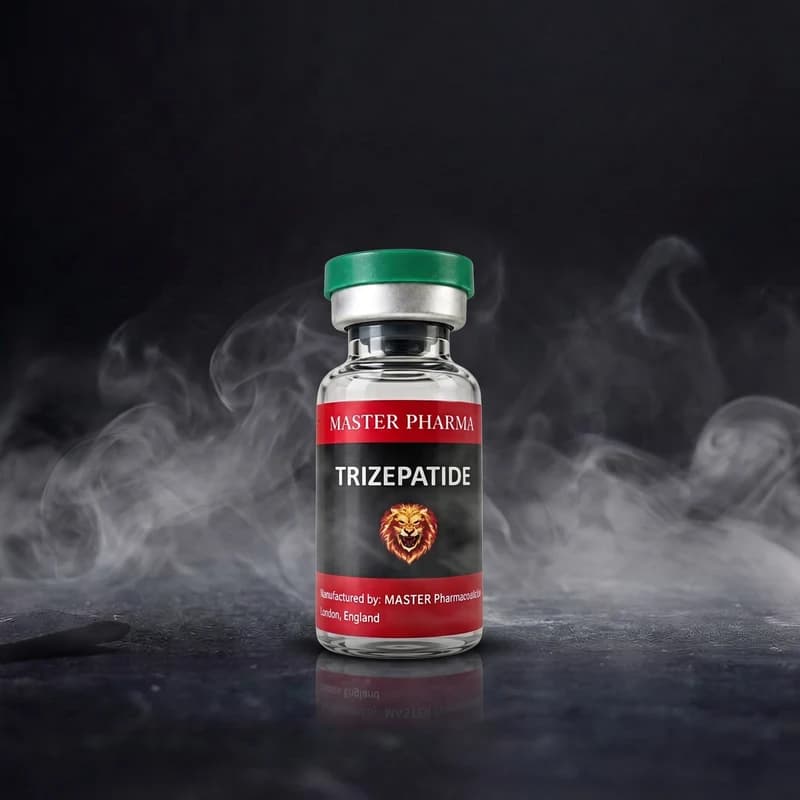
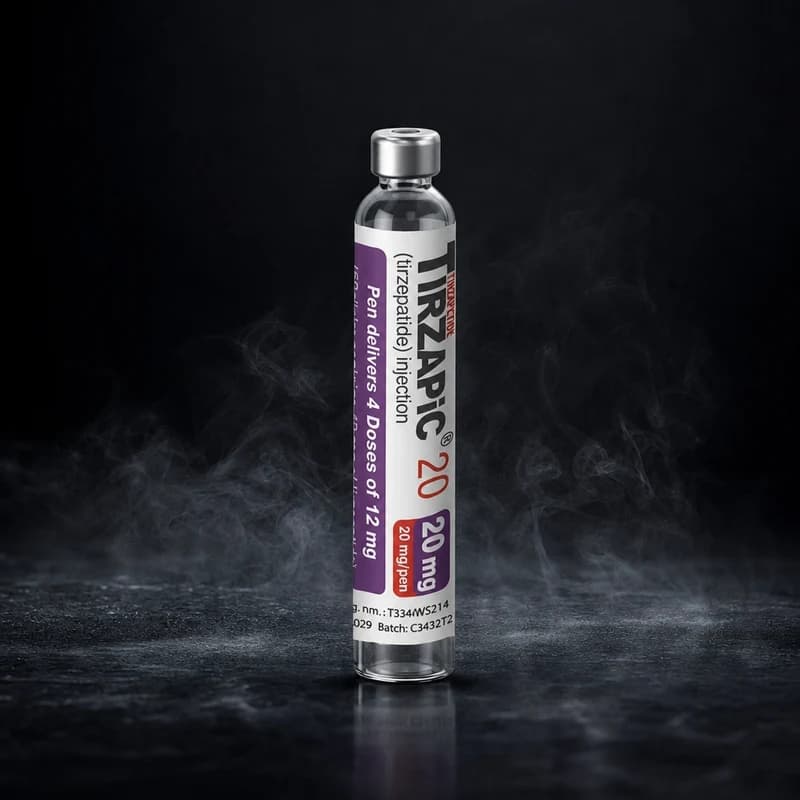
Every Swiss Pharma Tirzepatide 10mg/10ml vial passes two mandatory release criteria before distribution: reversed-phase HPLC quantification confirms active peptide concentration against a certified reference standard, and LAL (Limulus Amebocyte Lysate) endotoxin testing verifies sterility compliance. Cold-chain logistics at 2–8 °C are maintained from batch release through to final delivery, preserving the structural integrity of the tirzepatide peptide backbone across the supply chain.

 Lab Tested