Clenbuterol as the Lipolytic Counterpart to Trenbolone's Anabolic Drive
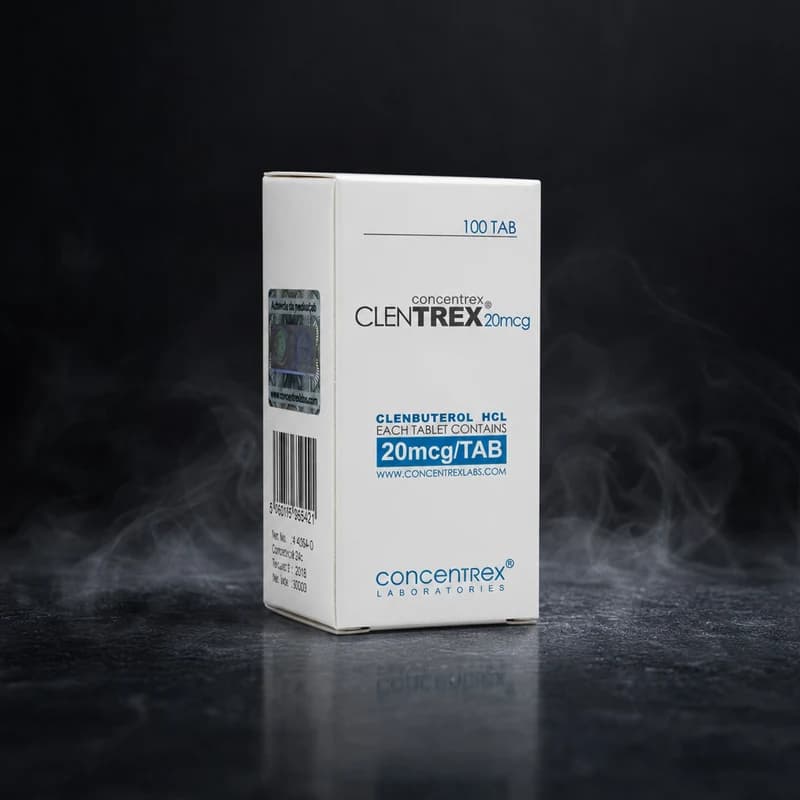
Clenbuxil (Clenbuterol HCl, 40 mcg/tablet) is a selective beta-2 adrenergic agonist formulated specifically to serve as the fat-loss accelerant within a Trenbolone-anchored cutting cycle — a role that distinguishes this stack from single-compound approaches relying on caloric restriction alone. Trenbolone delivers exceptional nitrogen retention and pronounced anti-catabolic signalling, but it does not carry a meaningful direct lipolytic mechanism; Clenbuterol fills that gap by stimulating intracellular lipase activity through the cAMP–PKA pathway, mobilising stored fatty acids for oxidation while the androgen holds muscle architecture intact. The result is a compound synergy: Trenbolone supplies the anabolic floor that prevents lean tissue loss during aggressive caloric restriction, and Clenbuterol raises the metabolic ceiling above what diet alone can achieve.
Compared to running either agent without the other, the Trenbolone–Clenbuterol combination produces visibly superior conditioning at equivalent caloric deficits, a pattern consistently reported in pre-contest bodybuilding literature and practical contest-prep coaching. Clenbuterol activates hormone-sensitive lipase in adipose tissue, releasing non-esterified fatty acids into circulation. Trenbolone simultaneously suppresses cortisol-driven muscle catabolism, allowing the athlete to sustain higher training intensity throughout the cut. The tandem means a competitor can extend the caloric deficit period without the muscle loss that ordinarily accompanies prolonged energy restriction.
Dosing Alignment Between the Two Compounds
Stack timing matters: Clenbuterol's plasma half-life, confirmed at approximately 26–35 hours in published pharmacokinetic studies, means a once-daily morning dose maintains sustained sympathomimetic tone throughout the day. Knoll Pharmaceuticals' 40 mcg tablet is the industry-standard unit dose for this purpose — one tablet at cycle entry, titrated upward by one tablet per three-to-five day increment based on individual cardiovascular tolerance. Athletes running Trenbolone Acetate, with its shorter ester and rapid tissue concentration, typically initiate Clenbuterol in weeks three or four of the cycle, once androgen-driven nitrogen retention is established, so the lipolytic drive layers onto an already-protected muscle environment.
Stack-Specific Monitoring Demands
The Trenbolone–Clenbuterol stack places an additive demand on the cardiovascular system: Trenbolone elevates haematocrit and can raise resting blood pressure independently, while Clenbuterol increases cardiac output through adrenergic stimulation. Athletes should track resting heart rate daily using a validated pulse oximeter and measure blood pressure bi-weekly using a calibrated sphygmomanometer. Resting heart rate above 95 bpm or systolic blood pressure sustained above 140 mmHg represents a protocol pause signal, not a dose escalation trigger. Liver-function and lipid panels at the cycle midpoint are prudent given Trenbolone's LDL-raising potential.

 Lab Tested