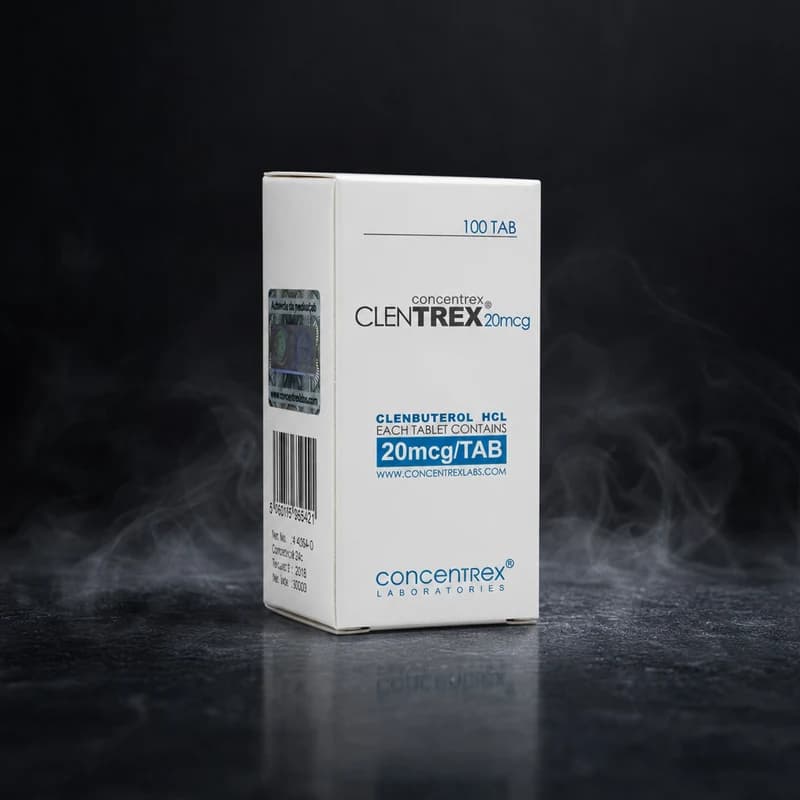
Contraindications: Not suitable for individuals with pre-existing cardiac arrhythmia, hypertrophic obstructive cardiomyopathy, uncontrolled hypertension, hyperthyroidism, or known hypersensitivity to clenbuterol hydrochloride. Ketotifen co-administration is additionally contraindicated in individuals with urinary retention disorders, narrow-angle glaucoma, or concurrent CNS depressant use. Pregnant and breastfeeding women must not use this compound.
Side Effects: Clenbuterol-related: fine muscle tremor (particularly hands), elevated resting heart rate, insomnia, excessive sweating, headache, and hypokalemia with prolonged use at higher doses. Ketotifen-related: daytime sedation (minimised by evening dosing), increased appetite, and occasional dry mouth. Combined use may potentiate CNS sedation if ketotifen timing is miscalculated relative to daily activities.
Monitoring: Monitor resting heart rate and blood pressure daily during dose escalation. Electrolyte panels — particularly potassium and magnesium — should be assessed every 3–4 weeks during extended protocols, as clenbuterol is associated with hypokalaemia at sustained doses. Serum potassium below 3.5 mmol/L warrants immediate dose reduction or supplementation. If thermogenic response does not recover within 7–10 days of ketotifen introduction, receptor sensitivity loss may be insufficient to reverse at current doses.
PCT: Clenbuterol does not suppress the hypothalamic-pituitary-gonadal axis and therefore does not require hormonal post-cycle therapy as a standalone compound. When used within a broader anabolic stack, PCT requirements are dictated by the androgenic compounds present, not by clenbuterol. Adrenergic system normalisation after extended clenbuterol use is supported by gradual taper and, optionally, continued low-dose ketotifen for several days post-discontinuation.

 Lab Tested