Clenbuterol as a Metabolic and Electrolyte Stressor
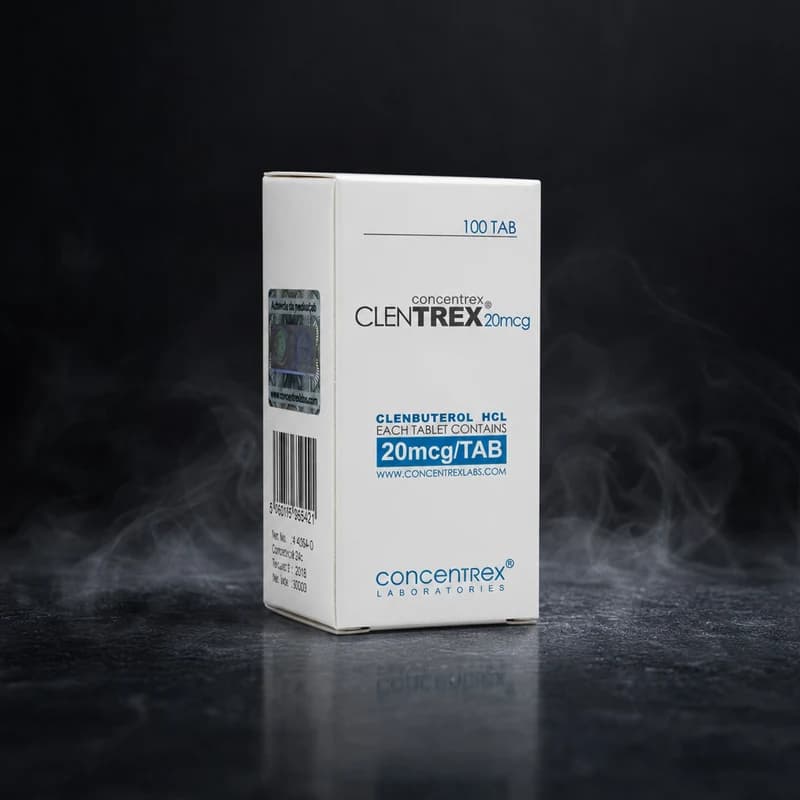
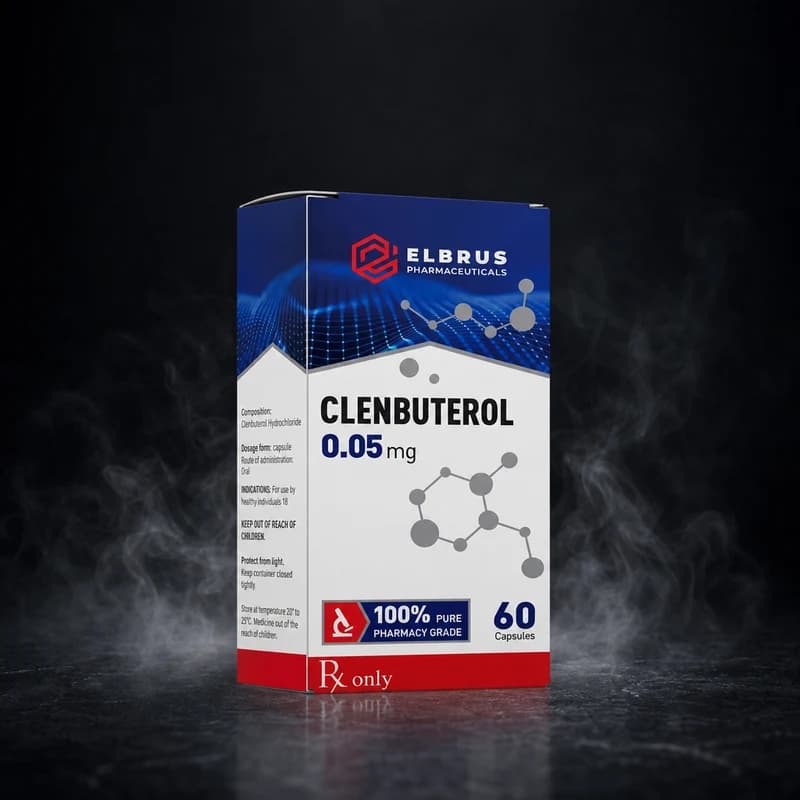
Genesis Clenbuterol Tablets are a 20 mcg-per-tablet oral bronchodilator repurposed for body-composition work, distinguished here by the clinical reality that sustained adrenergic stimulation creates measurable electrolyte demand that most fat-burner guides overlook. Clenbuterol activates adrenergic signalling pathways that simultaneously stimulate lipolysis and increase cellular sodium-potassium flux, pushing intracellular potassium outward and raising urinary potassium losses above baseline. Studies using 24-hour urinary collection methods confirm that sympathomimetic agents can elevate potassium excretion by 15–25 % compared to unsupplemented rest days, a deficit that manifests as muscular cramps, cardiac irregularity, and performance decline if left unaddressed.
Taurine: The Overlooked Co-Factor in Clenbuterol Protocols
Taurine depletion is the most commonly reported user complaint during clenbuterol cycles, and the mechanism is well-characterised. Clenbuterol competes with taurine at the TauT transporter in skeletal and cardiac muscle, reducing intracellular taurine concentrations and increasing susceptibility to painful muscle cramps — particularly in the calf and foot. Taurine acts as an osmoregulator and membrane stabiliser; intracellular taurine maintains calcium handling in cardiomyocytes, so its depletion under adrenergic load carries a clear functional cost. Compared to cycles run without taurine supplementation, users who co-administer 3–5 g of taurine daily report a significant reduction in exercise-induced cramp frequency, a finding consistent with taurine's documented role as a cytoprotective amino-sulphonic acid in stressed muscle tissue.
Hydration Architecture: Fluid, Sodium, and Potassium Balance
Genesis Clenbuterol's 20 mcg tablet strength allows precise dose titration across a hydration-conscious protocol. A structured approach pairs each dose escalation step with a matched fluid intake target — typically 500 ml of water per 20 mcg increment above baseline — alongside dietary potassium from whole-food sources (potassium-rich foods supplying 3,500–4,700 mg per day, consistent with Adequate Intake values set by the Institute of Medicine). Sodium management matters equally: excessive restriction impairs plasma volume maintenance, while adequate sodium supports the intestinal absorption of both water and taurine. Each Genesis tablet undergoes batch-tested HPLC quantification, ensuring the declared 20 mcg active load is delivered with the consistency that precision electrolyte dosing demands.
Monitoring Markers During Protocol
Serum potassium and magnesium measured via standard clinical electrolyte panel provide the most objective check on protocol safety; values below 3.5 mmol/L for potassium signal immediate dietary or supplemental intervention. Resting heart rate monitored by wrist-based pulse oximetry serves as a practical proxy for adrenergic load, while urine colour assessed against a standard hydration colour chart confirms adequate daily fluid throughput.

 Lab Tested