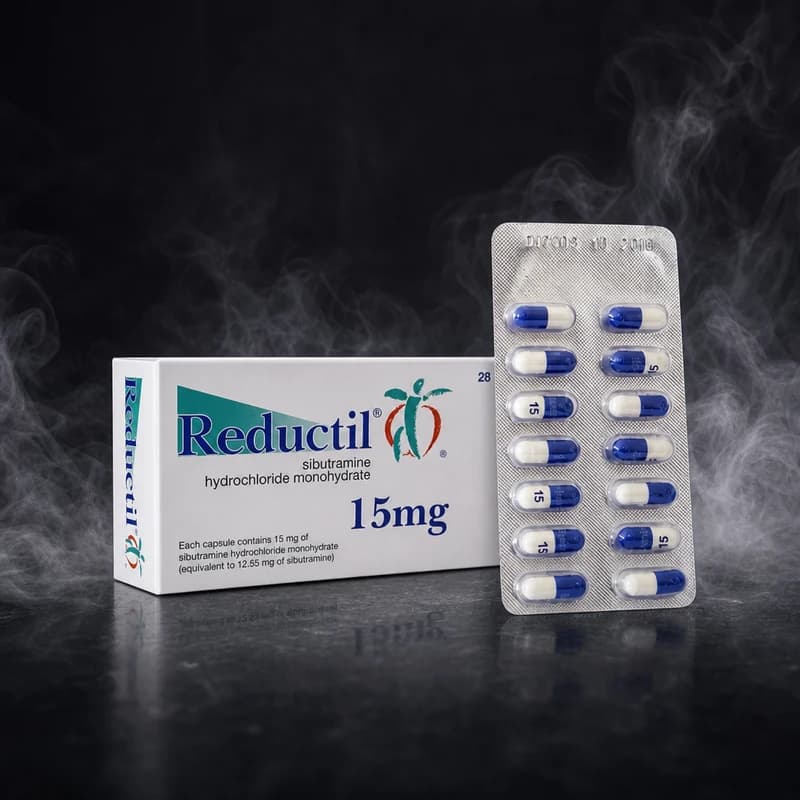
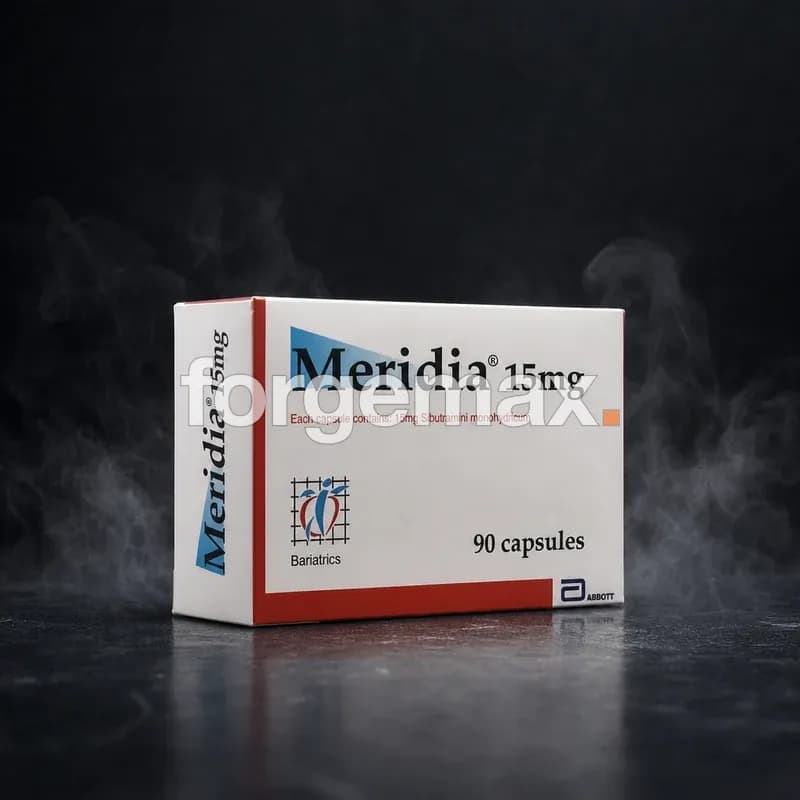
Contraindications: Sibutramine is absolutely contraindicated in individuals with established coronary artery disease, uncontrolled or poorly controlled hypertension (resting BP > 145/90 mmHg), cardiac arrhythmias, a documented history of stroke or transient ischaemic attack, congestive heart failure, peripheral arterial disease, hyperthyroidism, or narrow-angle glaucoma. Concurrent use with MAO inhibitors, other serotonergic agents, or sympathomimetic drugs creates additive cardiovascular and serotonin syndrome risk and is strictly prohibited.
Side_Effects: The most commonly reported cardiovascular effects are tachycardia (elevated resting heart rate), palpitations, and blood pressure elevation — particularly systolic hypertension. Other effects include headache, dry mouth, insomnia, and in a minority of users, significantly elevated cardiac output. The SCOUT trial (NEJM, 2010) documented increased risk of non-fatal myocardial infarction and non-fatal stroke in high-risk populations, which led to international market suspensions.
Monitoring: Resting heart rate and blood pressure must be checked before commencing, at Day 7, at Day 14, and biweekly thereafter. A resting HR consistently above 100 bpm or systolic blood pressure exceeding 145 mmHg on two sequential measurements constitutes a mandatory stop signal. An ECG is advisable for users over 40 or those with any family history of cardiac events before initiating sibutramine use.
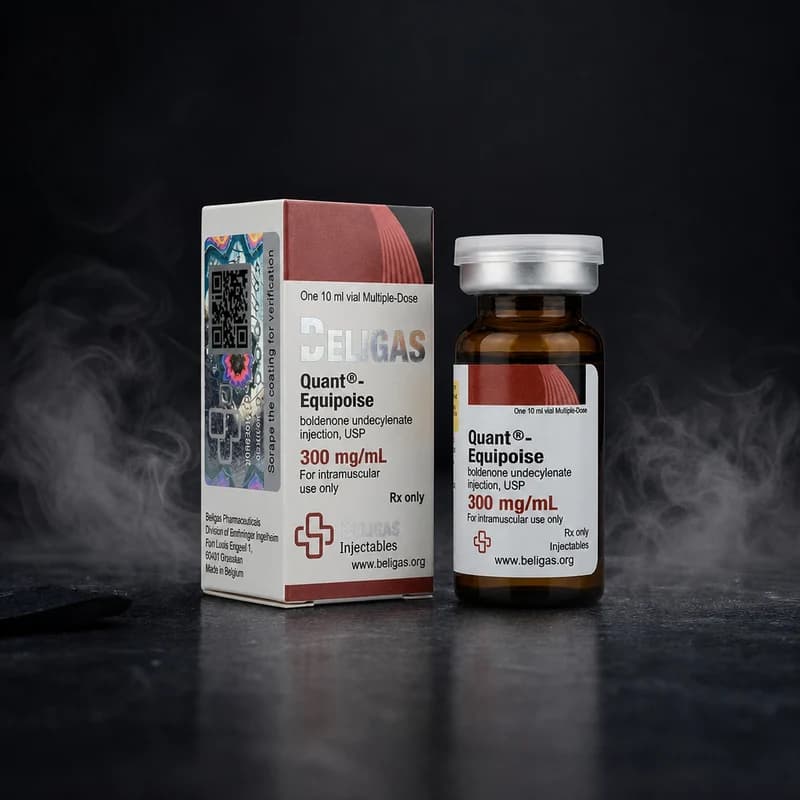
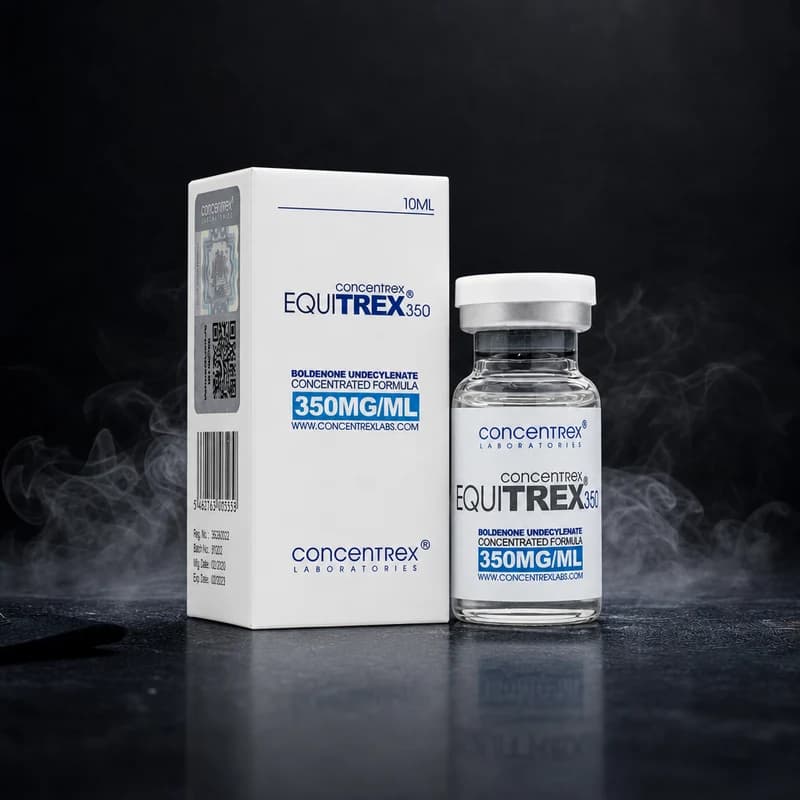
PCT: Sibutramine does not suppress the hypothalamic–pituitary–gonadal axis, so classical anabolic PCT (SERMs, aromatase inhibitors) is not pharmacologically required after a sibutramine-only cycle. Post-cycle cardiovascular normalisation should be the primary concern: confirm heart rate and blood pressure have returned to pre-cycle baseline within two weeks of cessation. If sibutramine is stacked with androgenic compounds, standard PCT applies for those substances according to their respective protocols.
 Lab Tested