Liothyronine Sodium as a Time-Bounded Intervention: Protocol Duration as a Primary Safety Variable
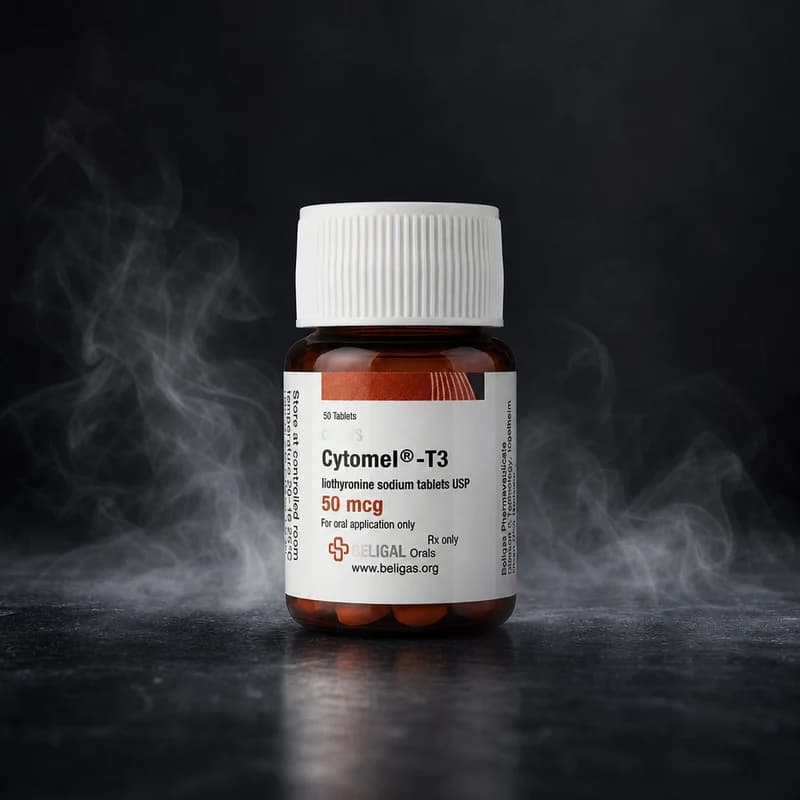
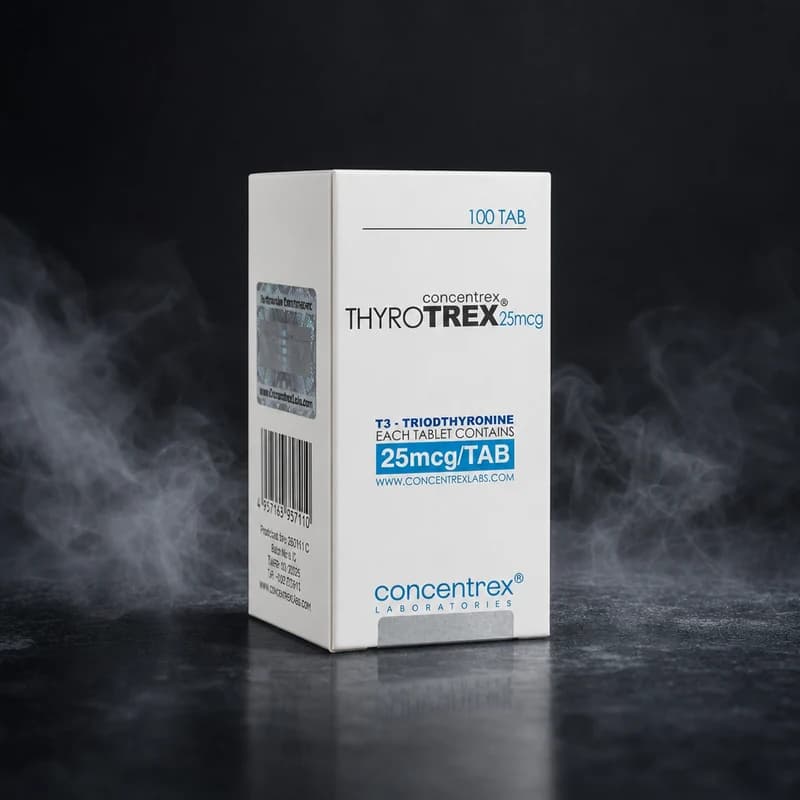
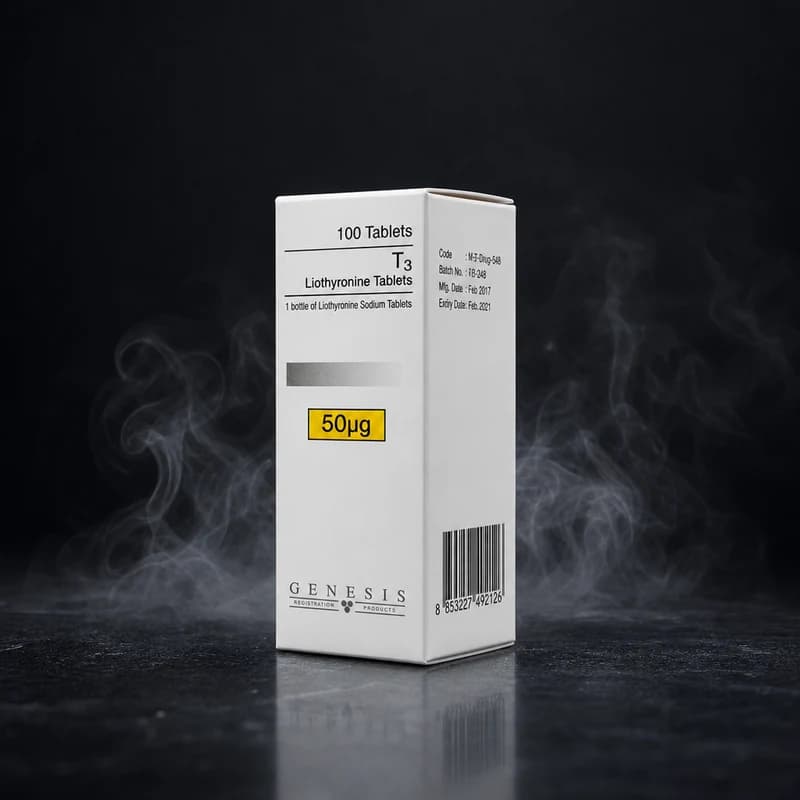
Hilma Biocare T3-Liothyronine Sodium 25mcg/tab is a synthetic thyroid hormone supplement formulated so that each tablet delivers a precisely assayed 25 mcg of active liothyronine — a dose unit sized specifically to allow practitioners to set and enforce hard time limits on their fat-loss protocols. Unlike many metabolic agents where open-ended use carries manageable risk, exogenous T3 administration defines protocol duration as its primary safety variable: the HPT axis tolerates acute suppression far better than it tolerates prolonged suppression measured in months. Compared to T4-based thyroid interventions, where the slower plasma kinetics of thyroxine blur the line between therapeutic and suppressive states, liothyronine's short 6–8 hour half-life (documented in clinical pharmacokinetic literature) makes defined start and stop dates both practical and enforceable.
Maximum Protocol Windows and the Evidence Behind Them
Clinical and applied-physiology data converge on a six-week outer boundary for continuous exogenous T3 use in non-clinical populations. Bodybuilding protocols respecting that ceiling report reduced incidence of persistent post-cycle hypothyroid symptoms compared to runs extended beyond eight weeks without endocrinological supervision. Hilma Biocare's 50-tablet pack maps directly onto a structured six-week protocol: a two-week titration phase, a two-week maintenance window, and a two-week step-down phase — all achievable within the single pack count. The 25 mcg per-tablet unit dose supports phase transitions without requiring tablet splitting during the critical taper segment.
Checkpoint Monitoring Within the Protocol Window
Protocol integrity requires scheduled checkpoints rather than passive observation. Resting heart rate functions as a real-time proxy for thyroid hormone load: sustained elevation above 85 bpm across three consecutive mornings constitutes a dose-reduction signal, not a dose-escalation cue. Body temperature tracking above 37.4 °C at rest, combined with sleep disruption and tremor, provides a convergent signal that the current dose exceeds the individual's current clearance capacity.
Discontinuation Criteria: When Stopping Is Not Optional
Several physiological endpoints represent hard stop signals regardless of protocol week. Persistent resting tachycardia exceeding 95 bpm unresponsive to dose reduction, new-onset atrial irregularity detected by pulse palpation, or acute anxiety with loss of sleep across more than five consecutive nights each constitute mandatory discontinuation criteria — not warning signs to monitor passively. Hilma Biocare liothyronine supports immediate cessation because the tablet form allows dose reduction to zero without tapering delays imposed by depot kinetics. A mandatory off-period of at least 12 weeks following any run that reached or exceeded four weeks gives the HPT axis the recovery window supported by post-suppression endocrine data.

 Lab Tested