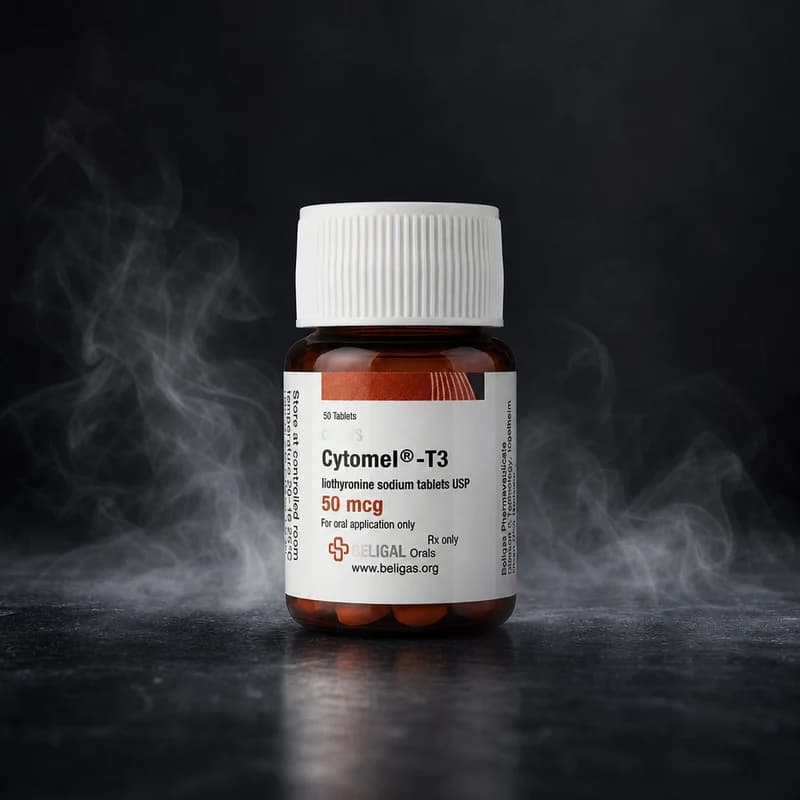
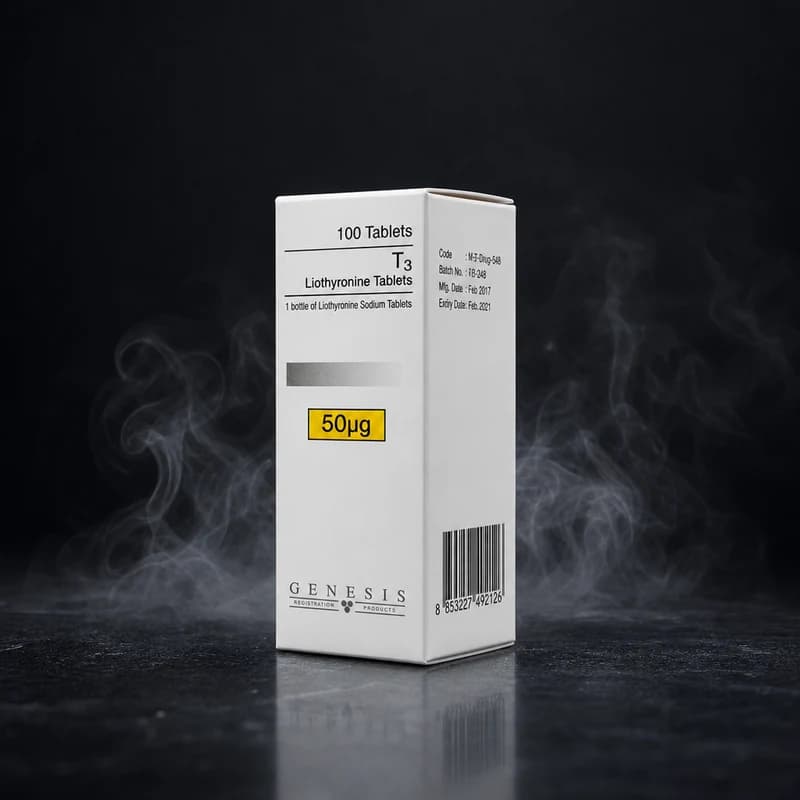
What ThyroTrex Does to TSH — and Why That Matters
ThyroTrex is a pharmaceutical-grade oral Liothyronine Sodium product whose central pharmacological consequence is dose-dependent suppression of pituitary thyrotropin (TSH), the signal that normally drives endogenous T3 and T4 synthesis in the thyroid gland. When circulating free T3 rises above the physiological set-point detected by pituitary thyrotrophs, TSH output falls — in some users reaching below the assay's lower detection limit within 72 hours of initiating a 25–50 mcg daily protocol (based on established Liothyronine pharmacokinetics data, half-life approximately 2.5 days). Exogenous Liothyronine suppresses TSH faster and more completely than equivalent doses of T4-based preparations, because no peripheral deiodination step delays its receptor-level effect. This speed of suppression is both the compound's metabolic advantage and its primary recovery consideration.
Reading Your Bloodwork: TSH, fT3, and fT4 During a ThyroTrex Cycle
Bloodwork interpretation during ThyroTrex use requires tracking three interdependent markers. Suppressed TSH confirms that the exogenous load is sufficient to inhibit hypothalamic-pituitary signalling — expected and not inherently harmful in the short term. Elevated fT3 reflects the active hormone pool driving thermogenic and metabolic effects. fT4, however, will fall progressively as TSH suppression removes the trophic stimulus for thyroid T4 synthesis; a sharply declining fT4 alongside a low TSH indicates that endogenous thyroid activity has been substantially silenced. Compared to T4-only (levothyroxine) protocols, ThyroTrex produces a lower measured fT4 for any given level of metabolic activation — a bloodwork pattern that is characteristic of exogenous T3 administration and does not indicate primary thyroid pathology.
HPT Axis Recovery: Timeline and Protocol Design
ThyroTrex-induced TSH suppression is reversible. TSH recovery follows a predictable pattern: after cessation, TSH typically begins rising within 5–10 days as pituitary thyrotroph cells resume TRH-driven signalling, with most users returning to pre-cycle reference ranges within 4–8 weeks depending on cycle duration and peak dosage used (data extrapolated from published Liothyronine washout studies). A tapered discontinuation — reducing dose by 12.5–25 mcg every 7–14 days rather than abrupt cessation — flattens the recovery curve and reduces the risk of a transient hypothyroid rebound period during which users may notice fatigue, cold sensitivity, and impaired glucose regulation. Concentrex Labs' scored tablet format supports this taper without requiring a second compound.
Pharma Grade Manufacturing at ThyroTrex Scale
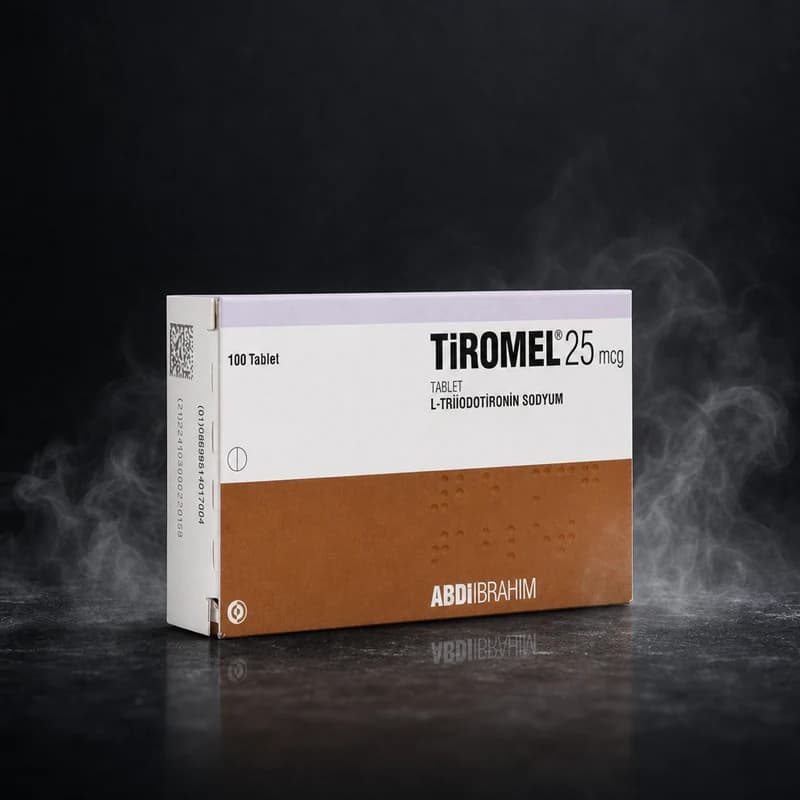
At 25 mcg per tablet, Liothyronine presents one of the most analytically demanding content-uniformity challenges in the oral tablet category. Concentrex Labs addresses this through compression-stage HPLC potency assay referenced against a certified pharmacopoeial standard, ensuring each tablet in a 100-unit batch falls within the declared specification — not merely the batch mean. LAL (Limulus Amebocyte Lysate) endotoxin screening and full GMP documentation complete the release profile.

 Lab Tested