What Cytomel-T3 Does — and Why Anabolic Co-Administration Is the Non-Negotiable Variable
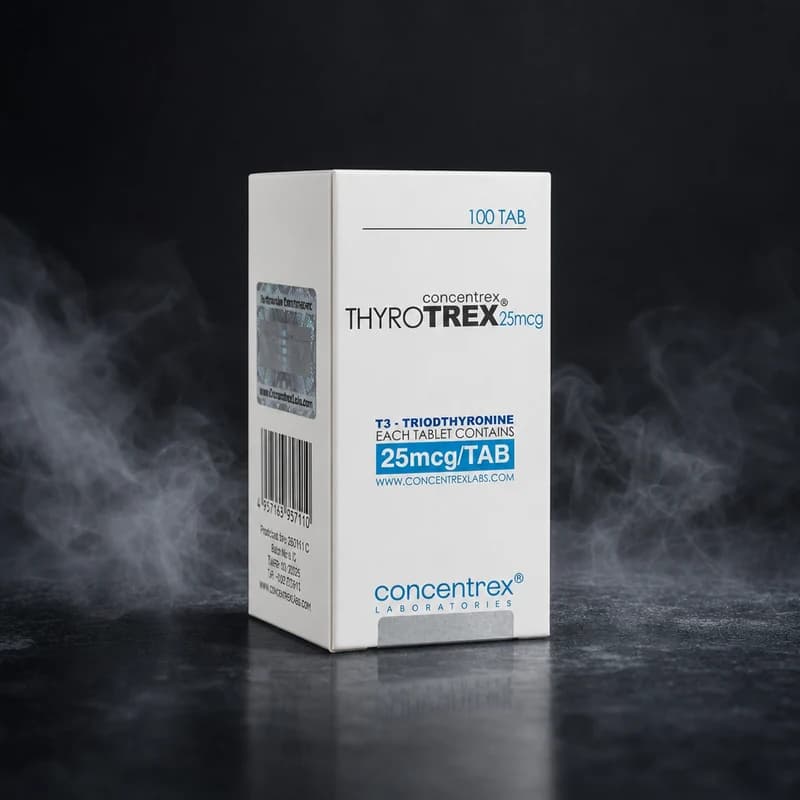
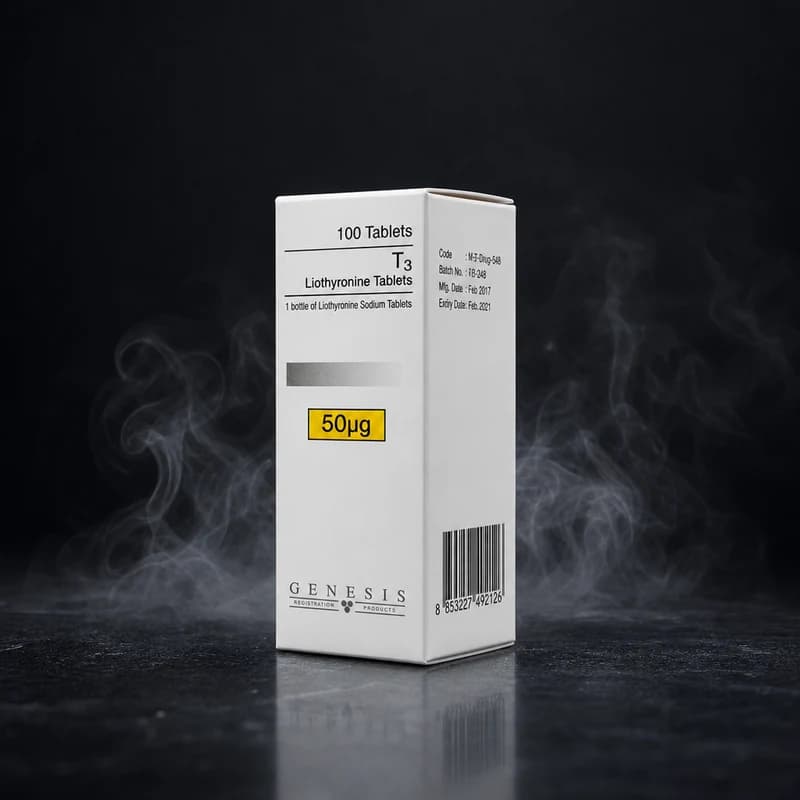
Beligas Cytomel-T3 is an oral synthetic thyroid hormone preparation supplying 50 mcg of Liothyronine Sodium per tablet, specifically formulated for athletes who require measurable thermogenic output during caloric-deficit phases while actively preserving lean tissue through concurrent anabolic steroid use. Unlike the conversion-dependent route, Liothyronine acts as the biologically active form of thyroid hormone at the cellular level, binding directly to nuclear thyroid hormone receptors and driving transcriptional changes that elevate basal metabolic rate — producing measurable increases in resting oxygen consumption documented in clinical endocrinology literature at doses above 25 mcg/day. The critical distinction that separates safe T3 use from muscle-wasting T3 use is not dose — it is anabolic coverage.
The Anti-Catabolic Case: Why T3 Destroys Muscle Without an AAS Base
Exogenous Liothyronine accelerates both lipid oxidation and amino acid catabolism in a dose-dependent manner. Studies in clinical settings have demonstrated that supraphysiological T3 concentrations increase whole-body nitrogen excretion, indicating net protein breakdown rather than synthesis. Compared to a T3-only fat-loss approach, users running concurrent Testosterone Enanthate at 200–300 mg/week — a modest, anti-catabolic dose — consistently report preserved lean body mass on DEXA scan reassessment, while isolated T3 users in the same caloric deficit show measurable LBM reduction. Anabolic steroids counter this by upregulating androgen receptor-mediated protein synthesis pathways and improving nitrogen retention, directly offsetting the catabolic signal T3 imposes on skeletal muscle. This is why the anabolic base is a pharmacological necessity, not a stacking preference.
Dosing Architecture for Anti-Catabolic T3 Protocols
Beligas Cytomel-T3 tablets are scored, supporting incremental dose escalation — a practical feature when the therapeutic window between fat-loss efficacy (25–75 mcg/day) and catabolic overshoot is narrow. The anti-catabolic protocol structure requires the AAS component to be fully active before T3 introduction: testosterone, for example, reaches stable plasma concentrations after approximately two to three weeks on a long-ester compound, meaning T3 should not begin on Day 1 of a cycle. T3 cycles typically run four to eight weeks; beyond eight weeks, pituitary TSH suppression deepens, extending HPT axis recovery time post-cycle.
HPLC Verification and Batch Integrity
Every production lot of Cytomel-T3 undergoes High-Performance Liquid Chromatography (HPLC) quantification prior to release: Beligas separates the Liothyronine Sodium peak from tablet matrix components chromatographically, then measures it against a certified pharmacopoeial reference standard to produce the confirmed per-tablet content figure. This verification is structurally important for a compound with a narrow therapeutic index — a 10 mcg deviation per tablet across a split-dose daily regimen compounds into clinically significant over- or under-delivery by week's end.

 Lab Tested