Contraindications: Tiromel is contraindicated in individuals with untreated adrenal insufficiency, acute myocardial infarction, thyrotoxicosis of any aetiology, and uncorrected cardiac arrhythmias. Patients with existing cardiovascular disease or hypertension should seek physician clearance before use. Concurrent administration with sympathomimetic agents (e.g. ephedrine, clenbuterol) substantially increases cardiac workload and demands careful monitoring.
Side Effects: Supraphysiological T3 levels commonly produce tachycardia, elevated body temperature, excessive perspiration, restlessness, and appetite dysregulation. At higher doses, muscle catabolism becomes a clinically relevant concern as elevated metabolic rate accelerates protein turnover. Insomnia and tremor may occur if peak plasma T3 concentrations are not managed through dose splitting.
Monitoring: Weekly resting heart rate and temperature tracking is advised during dose escalation phases. Blood panels including TSH, free T3, free T4, and cardiac enzymes (CK) should be obtained at baseline, at peak dose, and four weeks post-cycle. Bone turnover markers are relevant for cycles exceeding six weeks, as prolonged thyroid hormone elevation is associated with accelerated bone resorption.
PCT: Post-cycle thyroid recovery requires a structured taper — never abrupt cessation. Following the taper, TSH suppression may persist for 2–4 weeks; if TSH remains elevated with low free T3 beyond four weeks post-cycle, temporary levothyroxine bridging under medical supervision may be warranted. Standard anabolic PCT agents (SERMs) are not relevant to the thyroid axis but should be used concurrently if androgenic compounds were co-administered.

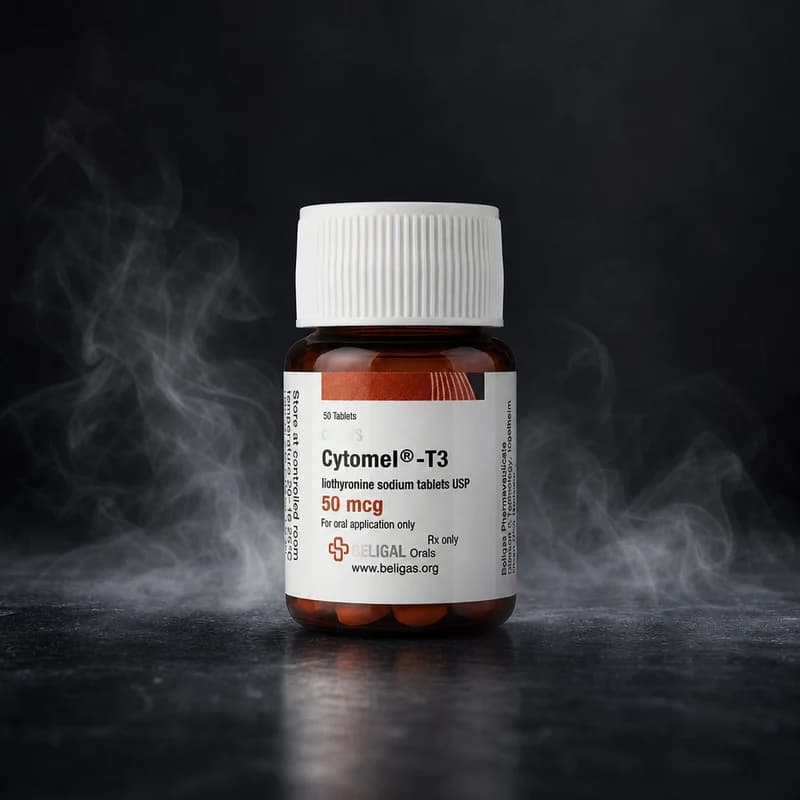 HPLC Verified