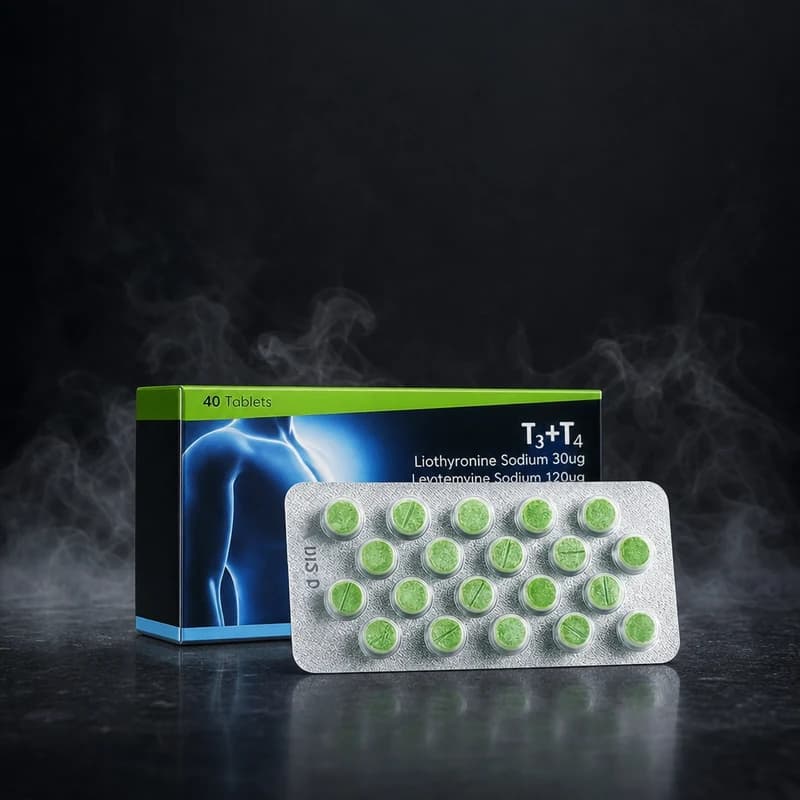
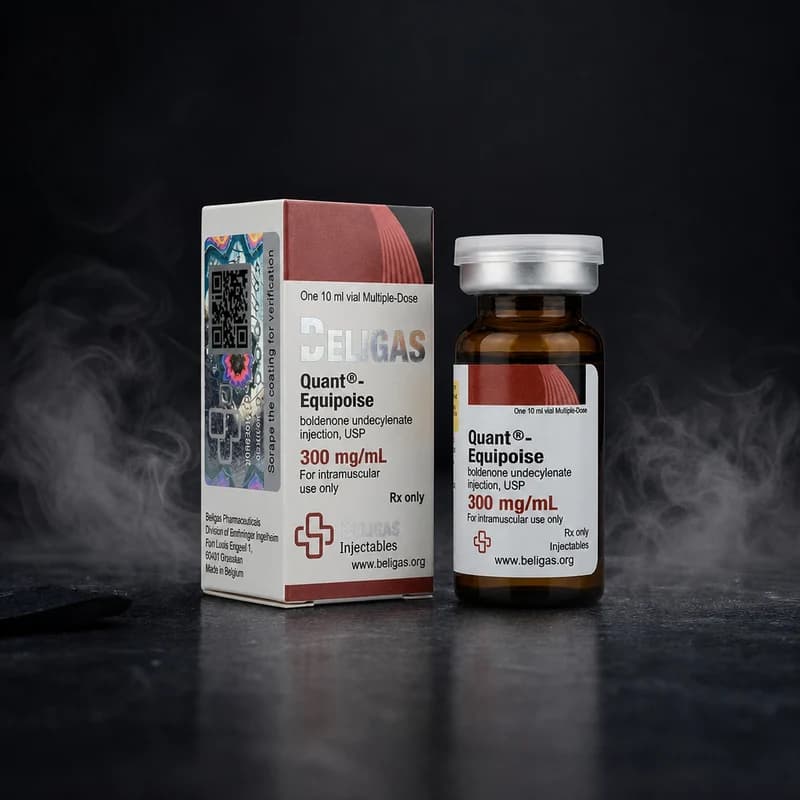
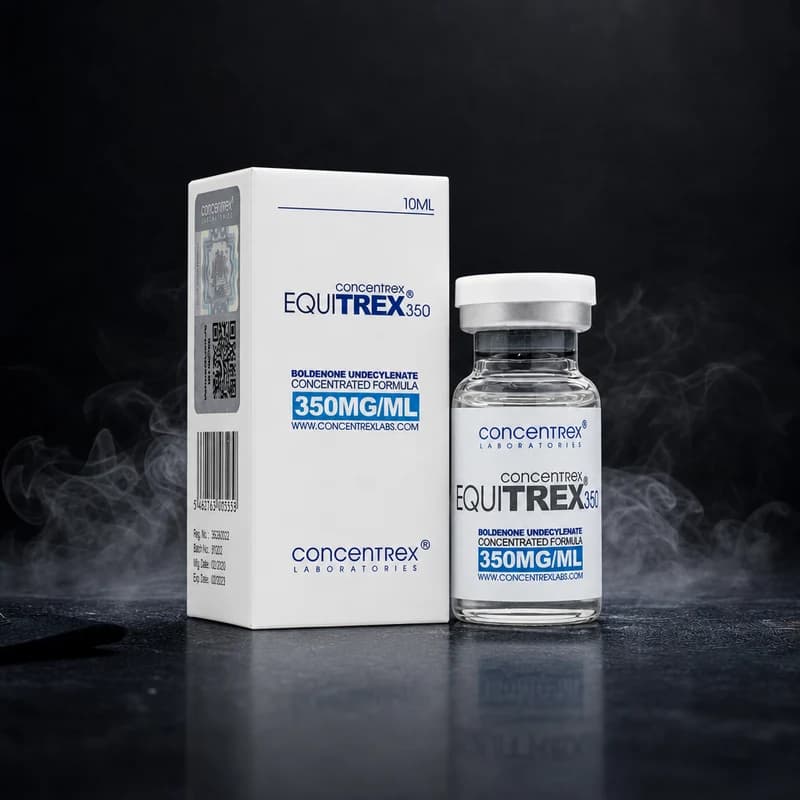
Contraindications: Do not use Hilma Biocare T4 Levothyroxine Sodium if you have untreated adrenal insufficiency, acute myocardial infarction, or a known hypersensitivity to levothyroxine or any tablet excipient. Thyrotoxicosis of any aetiology is an absolute contraindication. Individuals with pre-existing cardiac arrhythmias, uncorrected hypokalaemia, or a history of osteoporosis should seek physician evaluation before initiating any TSH-suppressive protocol.
Side Effects: TSH suppression below 0.1 mIU/L raises the risk of atrial fibrillation and accelerated bone mineral density loss with prolonged exposure. Common dose-related effects include heat intolerance, increased perspiration, resting tachycardia, palpitations, insomnia, and anxiety. Gastrointestinal disturbances (loose stools, increased bowel frequency) may occur particularly during the initiation phase. These effects are dose-dependent and typically resolve upon dose reduction.
Monitoring: Obtain TSH, fT4, and fT3 at baseline, at week 4 during the suppression phase, and at weeks 4 and 8 post-cessation. Resting heart rate should be self-monitored daily; a sustained rate above 100 bpm is a clinical signal to reduce dose. Blood pressure checks every 2 weeks during the maintenance phase are advisable. Bone density assessment is recommended for protocols exceeding 12 weeks of TSH-suppressed dosing.
PCT: No conventional anabolic steroid PCT agents (SERMs, aromatase inhibitors) are required following a T4-only protocol. HPT axis recovery is self-directed once exogenous levothyroxine is cleared, given the 7-day half-life; full clearance takes approximately 5–6 weeks. The recovery period should be confirmed by sequential TSH bloodwork rather than assumed by calendar alone. Avoid restarting a T4 protocol before TSH has returned to the 0.4–4.0 mIU/L normal band.

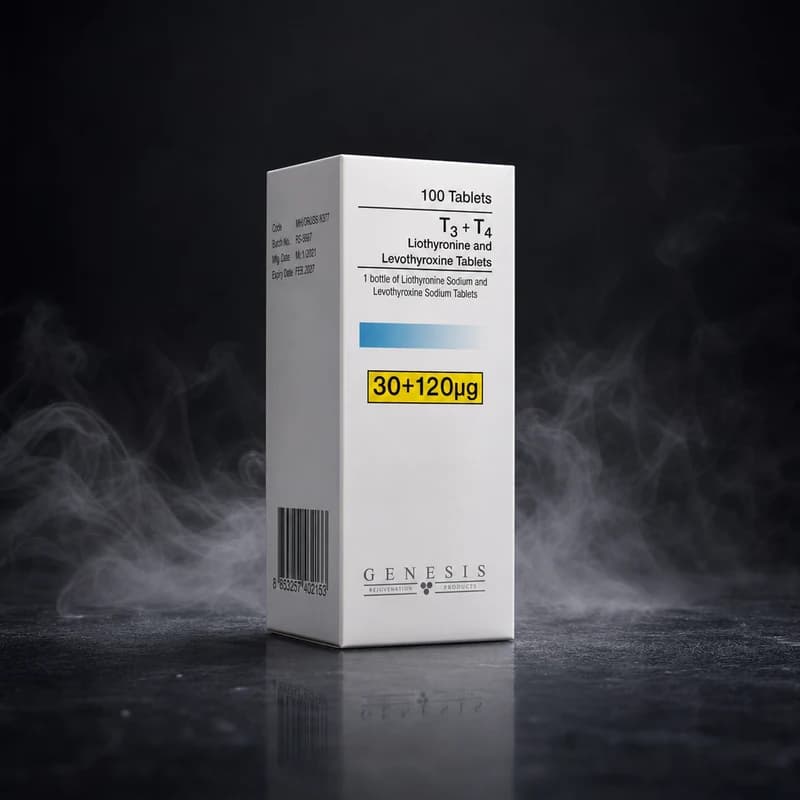 Lab Tested