Clenbuterol as the Lipolytic Complement to an Anabolic Foundation in a Caloric Deficit
Rossiaz Lab Clenbuterol 40mcg functions as the adrenergic fat-mobilisation layer that sits above an established anabolic-base cycle, specifically targeting the subcutaneous fat that dietary restriction alone cannot efficiently remove without triggering muscle catabolism. When caloric intake drops below maintenance, the body activates counter-regulatory mechanisms — principally elevated cortisol and suppressed IGF-1 — that accelerate myofibrillar protein breakdown as a gluconeogenic fuel source. An anabolic base — typically a testosterone ester, nandrolone, or boldenone — sustains positive nitrogen retention and myofibrillar protein synthesis rates high enough to offset this catabolic signalling, creating a protected lean-tissue environment into which Clenbuterol's adrenergic drive can be introduced without the muscle-loss risk that accompanies fat-burner use in a natural, AAS-free deficit.
How the Anabolic Base Changes the Risk Profile of a Clenbuterol Cut
Clenbuterol elevates cyclic AMP-mediated lipolysis and raises resting metabolic rate through beta-2 adrenergic receptor activation in adipose and skeletal tissue. Compared to running Clenbuterol as a standalone agent in a caloric deficit — where nitrogen balance data from clinical studies consistently show net protein loss at deficits exceeding 500 kcal/day — the presence of a testosterone-anchored anabolic base shifts the nitrogen balance toward the positive side even at the same caloric deficit depth. The anabolic base supplies the hormonal floor that Clenbuterol cannot; Clenbuterol supplies the lipolytic ceiling that the anabolic base alone cannot reach. This division of pharmacological labour means the athlete can sustain a more aggressive deficit — peer-reviewed nitrogen balance research places the protected range at 500–750 kcal/day below maintenance when androgen-driven protein synthesis is active — while directing the energy shortfall toward adipose rather than lean tissue.
Protein Targets and Monitoring Within an AAS-Anchored Clenbuterol Protocol
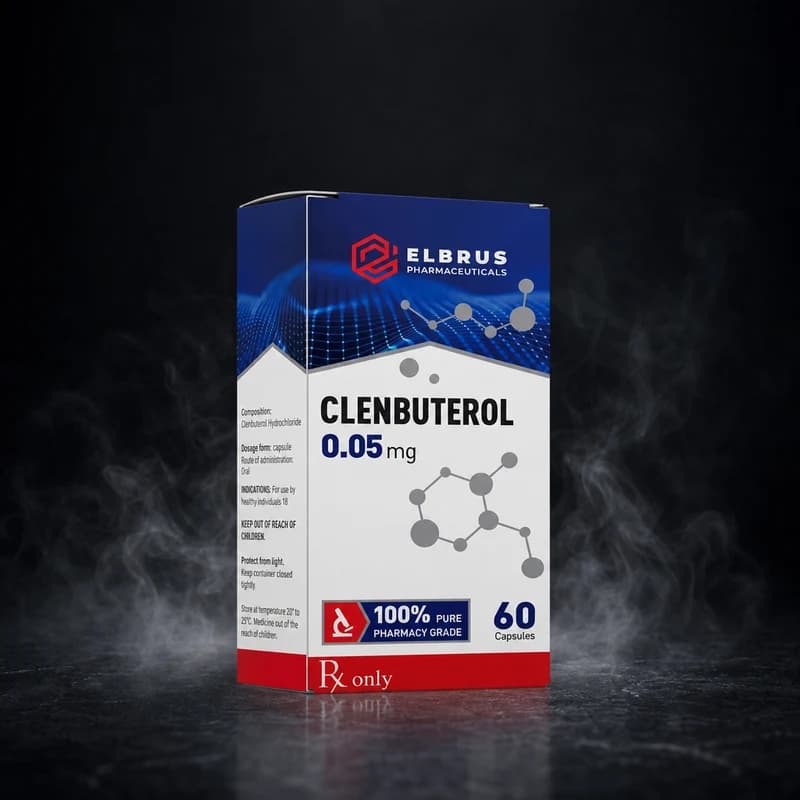
Even with an anabolic base in place, dietary protein remains an independent variable that determines how completely muscle is shielded. Resistance-trained athletes in a caloric deficit who are concurrently using androgenic compounds require a minimum of 2.2–3.1 g of protein per kilogram of body weight daily, as established by the International Society of Sports Nutrition position stand on protein and exercise. Rossiaz Lab Clenbuterol delivers its 40 mcg dose in a tablet format that supports morning split-dosing, aligning peak plasma adrenergic activity with the high-protein feeding window. Weekly lean-mass tracking via skinfold or bioelectrical impedance provides an objective anti-catabolic efficacy marker throughout the cycle.
Quality Architecture: Authentication and Lot Traceability
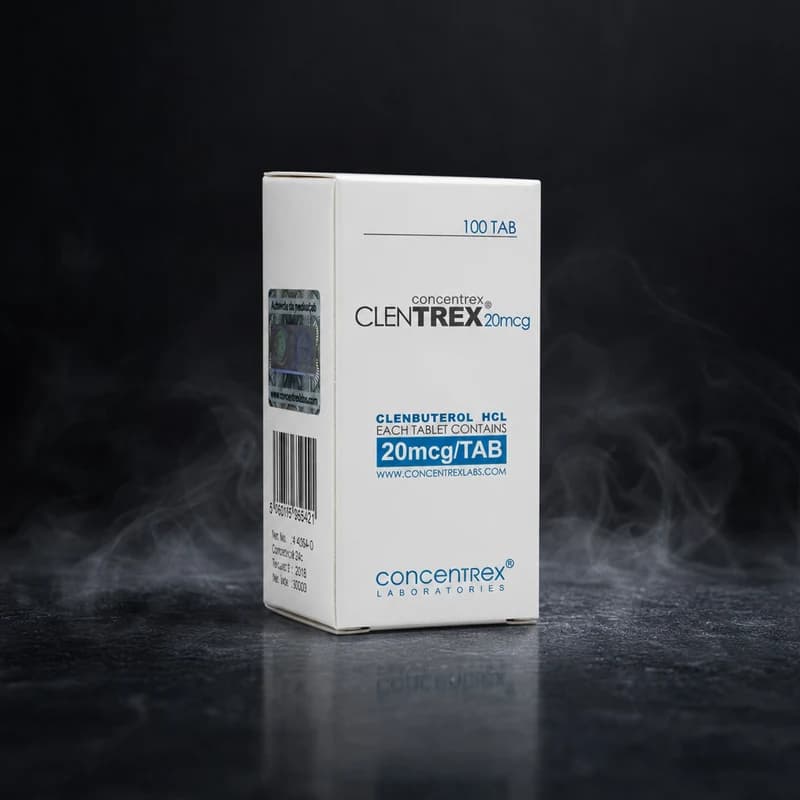
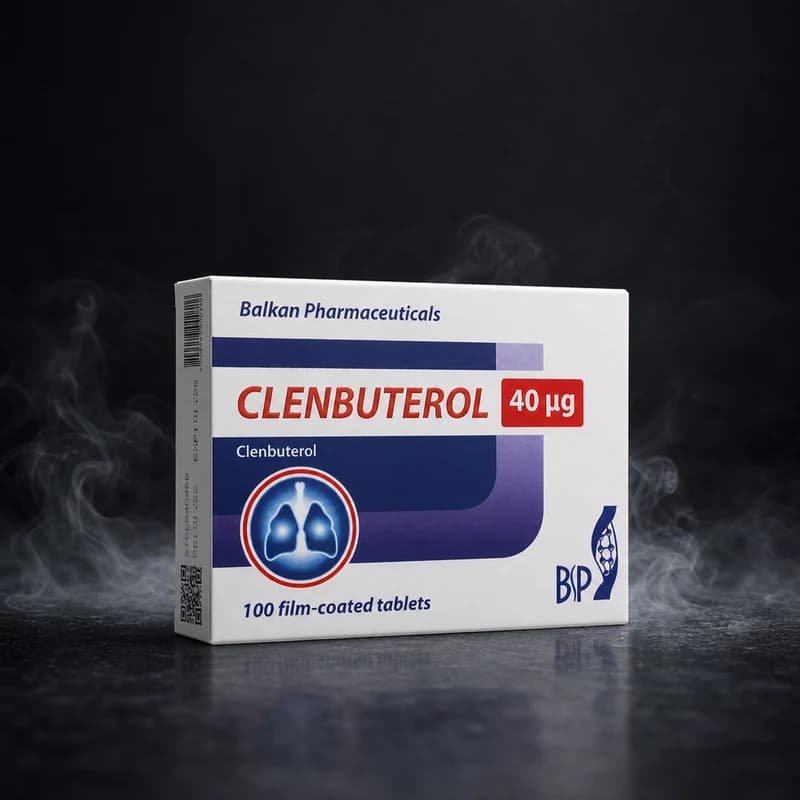
Every 100-tablet blister pack of Rossiaz Lab Clenbuterol carries a unique batch-traceable authentication code readable via the brand's verification portal; holographic seals on the secondary packaging provide a physical tamper-evidence layer. Reversed-phase HPLC potency assay and LAL endotoxin screening are completed at the finished-tablet stage — not on bulk blend alone — so the declared 40 mcg per unit is confirmed at the discrete-tablet level before any pack leaves the facility.

 Lab Tested