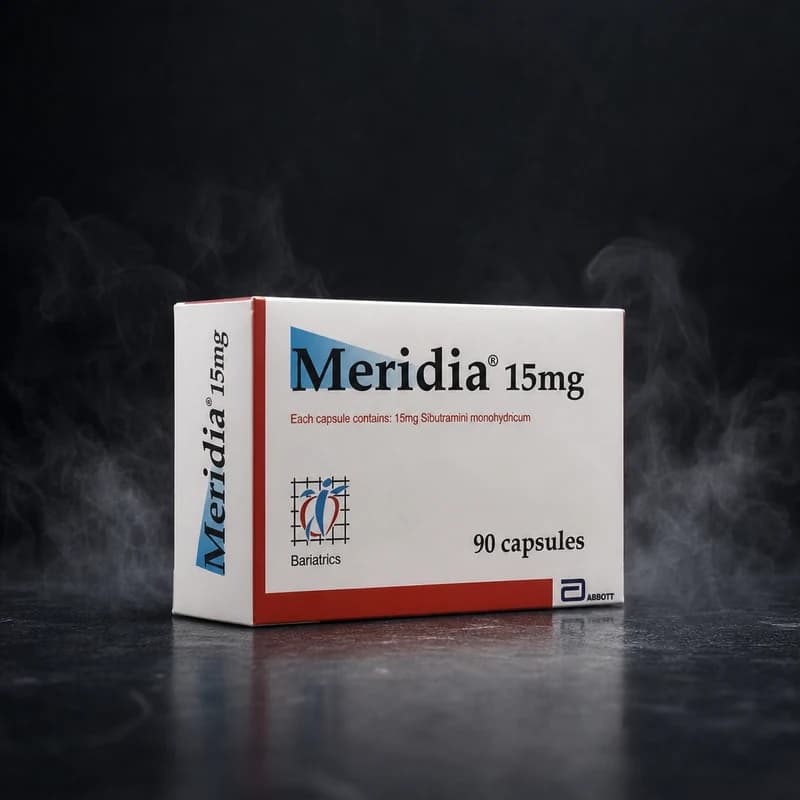
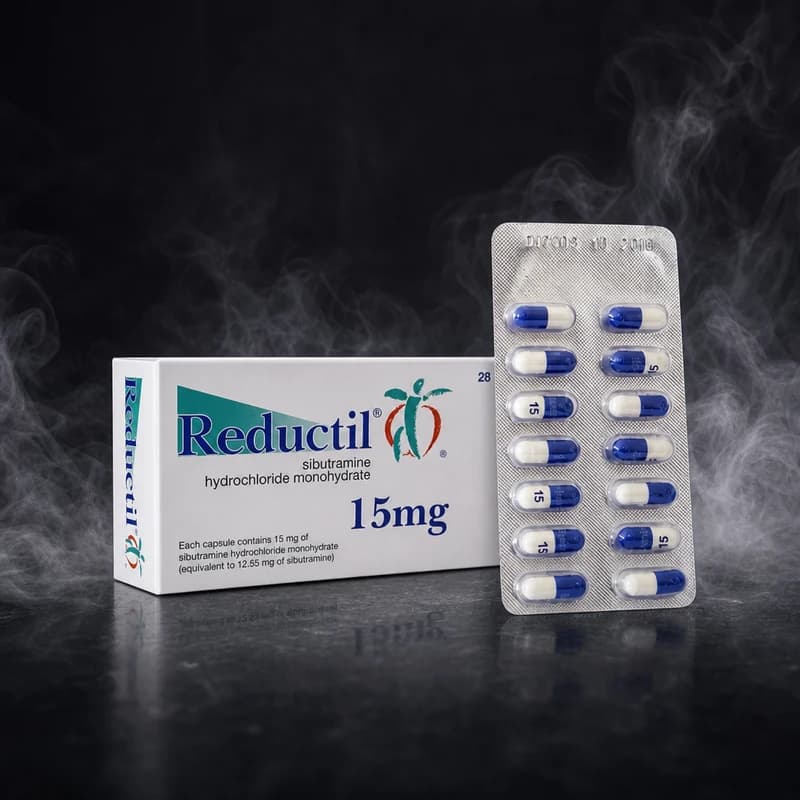
Contraindications: Reductil is contraindicated in individuals with a personal or family history of coronary artery disease, arrhythmia, congestive heart failure, or uncontrolled hypertension. Concurrent use with MAO inhibitors, SSRIs, SNRIs, or triptans carries a documented serotonin syndrome risk and is absolutely prohibited. Thyroid disorder, narrow-angle glaucoma, and a history of eating disorders are additional absolute contraindications.
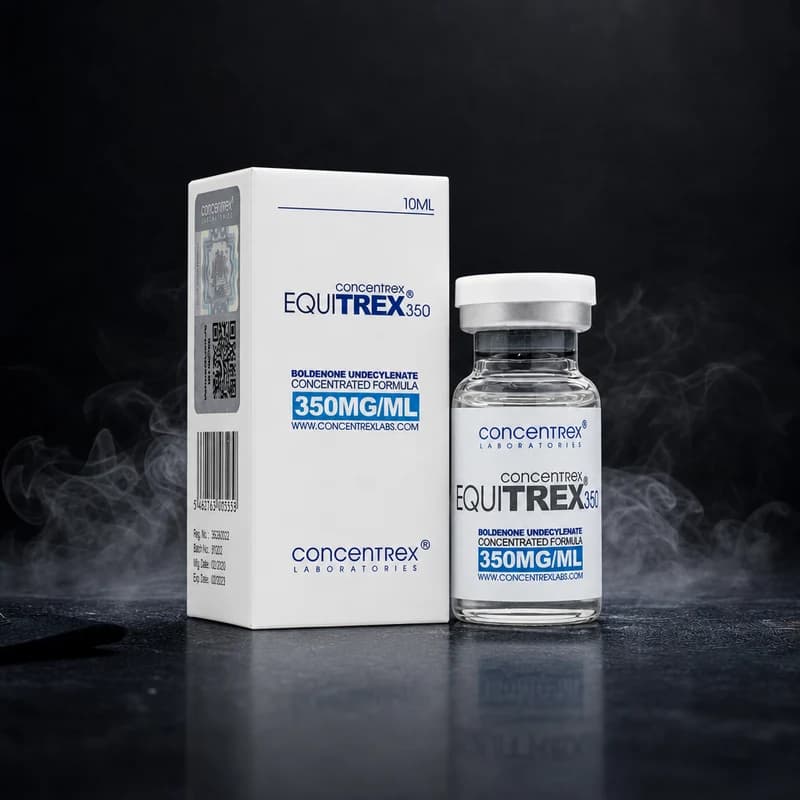
Side Effects: The most frequently reported adverse effects are elevated resting heart rate, dry mouth, insomnia, and constipation. A subset of users experiences a transient elevation in systolic and diastolic blood pressure mediated by increased norepinephrine availability; this effect is amplified when Sibutramine is run alongside AAS compounds that themselves influence adrenergic tone. Anxiety, headache, and reduced sleep quality are dose-related and typically most pronounced during the first two weeks.
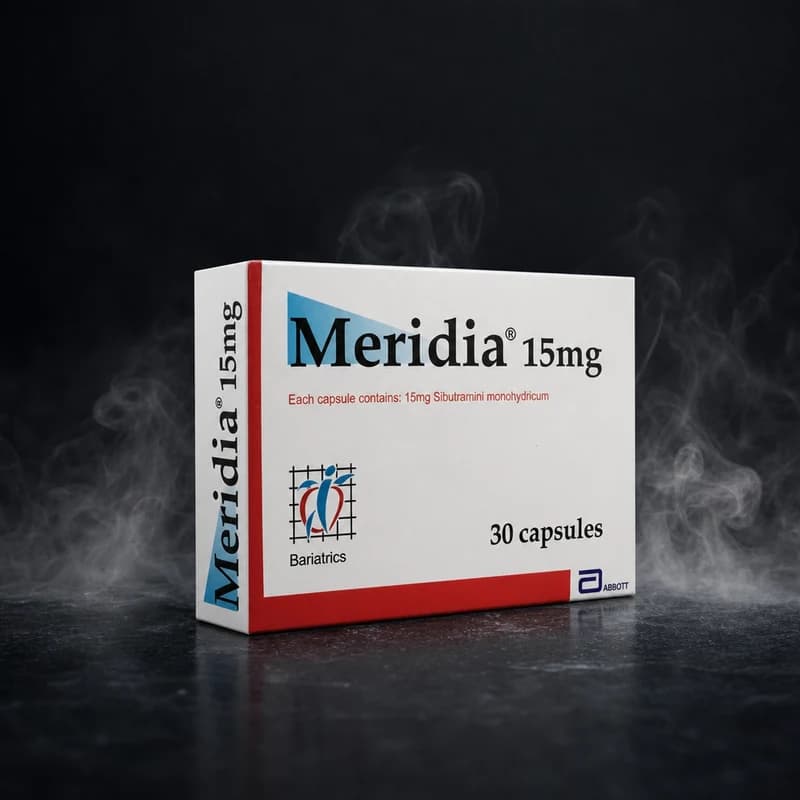
Monitoring: Measure and log resting heart rate and seated blood pressure at least twice weekly throughout the protocol. A sustained resting heart rate increase of more than 10 bpm above pre-treatment baseline, or any reading at or above 145/90 mmHg on two separate occasions, is a clinical threshold requiring immediate dose suspension. Full blood panel including lipid profile and hepatic enzymes should be assessed at cycle entry and again at the 30-tablet endpoint.
PCT: Sibutramine does not suppress the hypothalamic–pituitary–gonadal axis and therefore requires no dedicated post-cycle hormonal therapy. PCT protocols in a combined AAS + Sibutramine cycle are governed entirely by the AAS components used; standard SERM-based recovery (Nolvadex or Clomid) should proceed according to the AAS cycle's ester clearance timeline, independent of Sibutramine discontinuation.

 Lab Tested