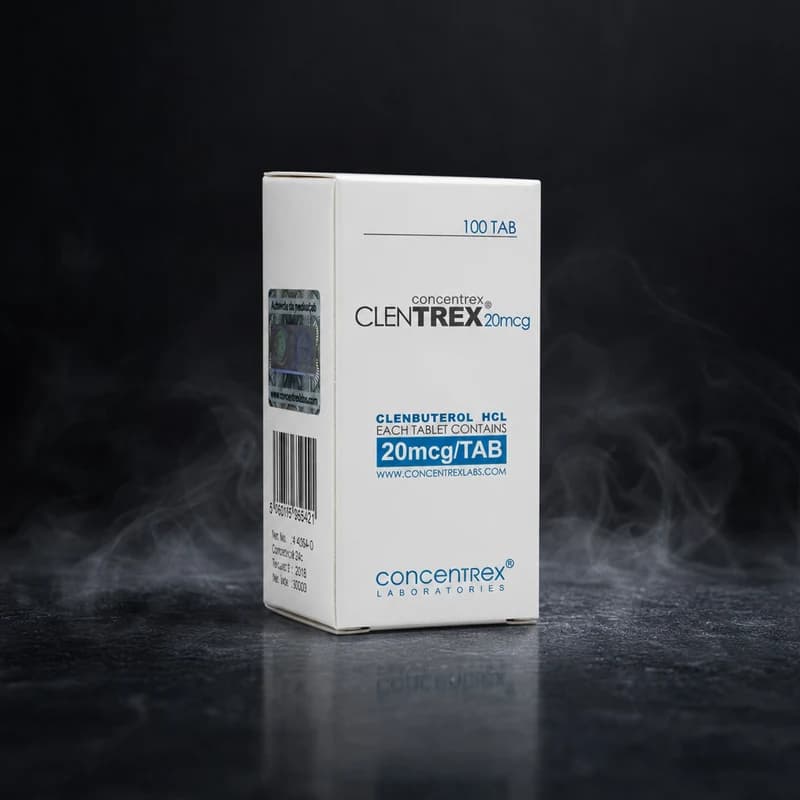
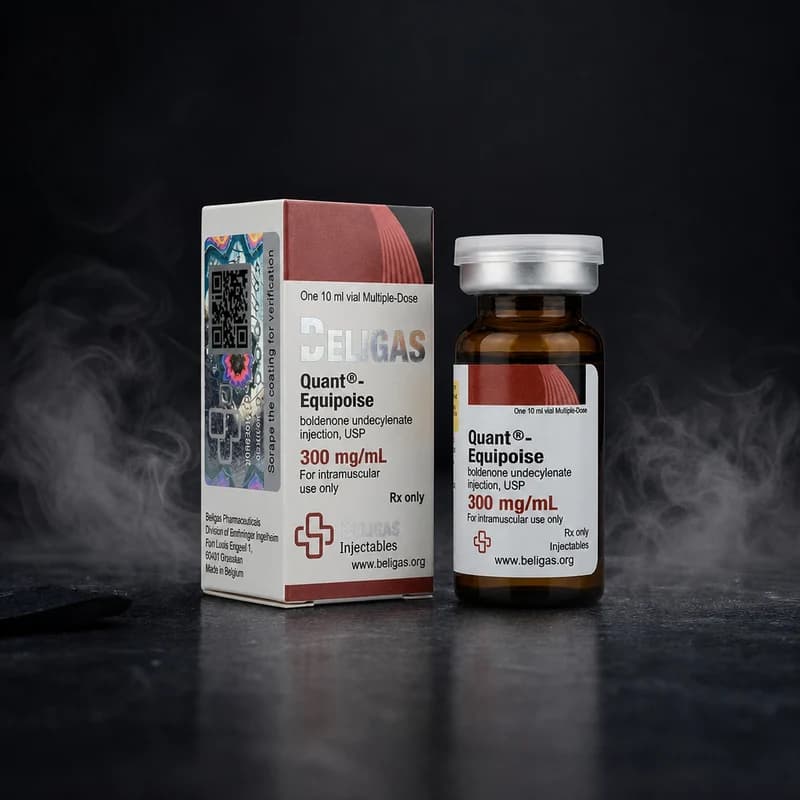
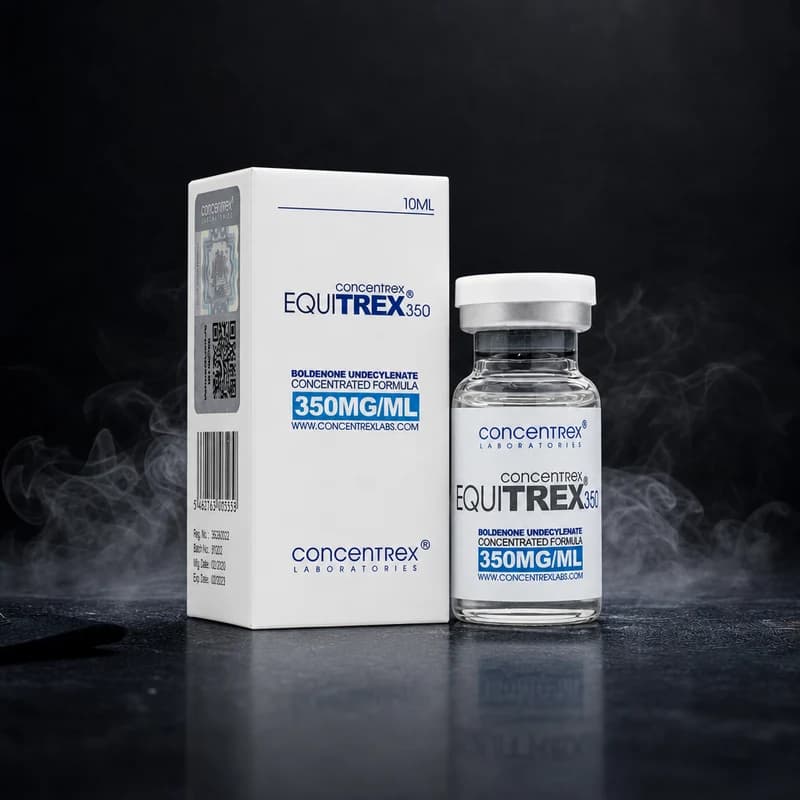
contraindications: Pre-existing type 1 diabetes or insulin-dependent type 2 diabetes: adrenergic glucose mobilisation may unpredictably alter glycaemic control.
Thyrotoxicosis: sympathomimetic stimulation compounds adrenergic hyperthyroid burden.
Hypersensitivity to clenbuterol hydrochloride or any excipient in the tablet matrix.
Active eating disorders: appetite-suppressive mechanisms may exacerbate disordered restriction patterns.
side_effects: Appetite suppression exceeding caloric targets — track daily energy intake to avoid unintended deficit depth.
Postprandial glycaemic variability in athletes with impaired glucose regulation — monitor with glucometer if relevant.
Reduced gastrointestinal motility in higher doses may cause constipation; adequate fibre and fluid intake mitigates this.
Adrenergic stimulation: palpitations, mild hypertension, and peripheral vasodilation — dose-proportional and reversible.
Skeletal muscle fasciculation particularly during the first week of use.
monitoring: Fasting blood glucose every 7 days if metabolic syndrome history is present.
Resting heart rate each morning before dosing — establish a daily log to detect upward drift.
Inter-meal hunger rating diary to objectively quantify satiety-signal response across the protocol.
Blood pressure check at baseline, day 7, and day 14 using a validated upper-arm sphygmomanometer.
pct: Clenbuterol does not suppress the hypothalamic–pituitary–gonadal (HPG) axis; no hormonal post-cycle therapy is required following clenbuterol-only protocols.
If clenbuterol is used within an AAS cycle, PCT requirements are determined by the androgen compounds present — not by clenbuterol.
A structured dietary transition plan following cessation is advisable to prevent adrenergic rebound hunger from driving excessive caloric re-intake.

 Lab Tested