Yohimbine in the Fasted State: Why Timing Is the Mechanism
Yohimbine is an indole alkaloid that functions as a selective antagonist of the adrenergic receptors responsible for blunting fat release in metabolically resistant tissue — and its clinical utility is inseparable from the hormonal conditions present during fasting. When insulin is elevated, circulating phosphodiesterase activity is amplified, which degrades the cyclic AMP that drives lipolysis before fatty acids can be mobilized. Yohimbine's antagonism produces no net effect against this biochemical backdrop, which is why fasted administration is not a preference but a pharmacological prerequisite. Compared to fed-state dosing, a fasted protocol achieves measurably greater plasma free fatty acid elevation, as demonstrated in controlled crossover studies measuring venous NEFA concentrations post-dose.
Stubborn Fat Physiology and the Fasted Cardio Protocol
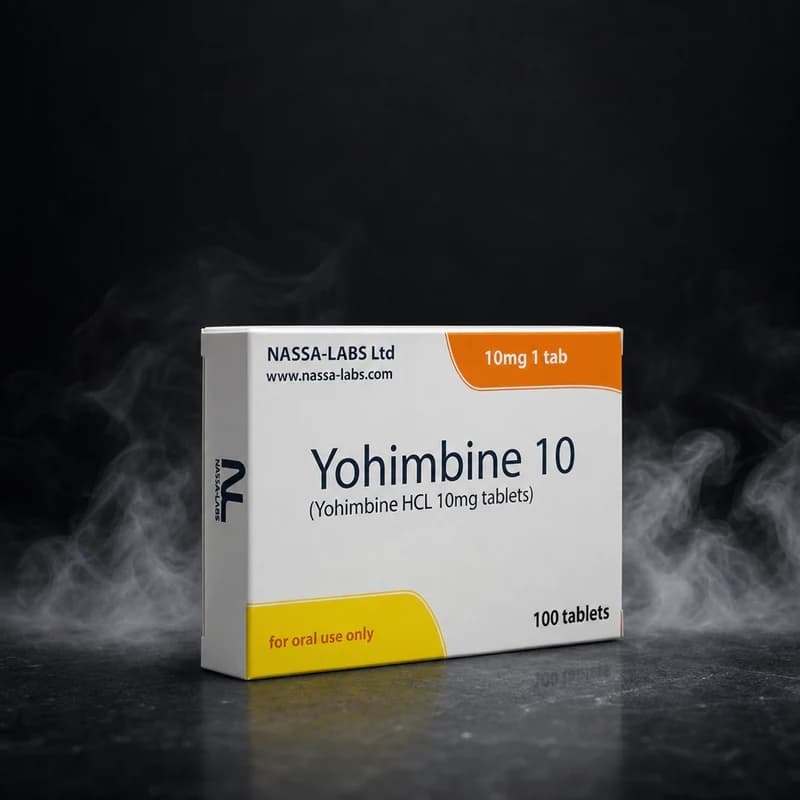
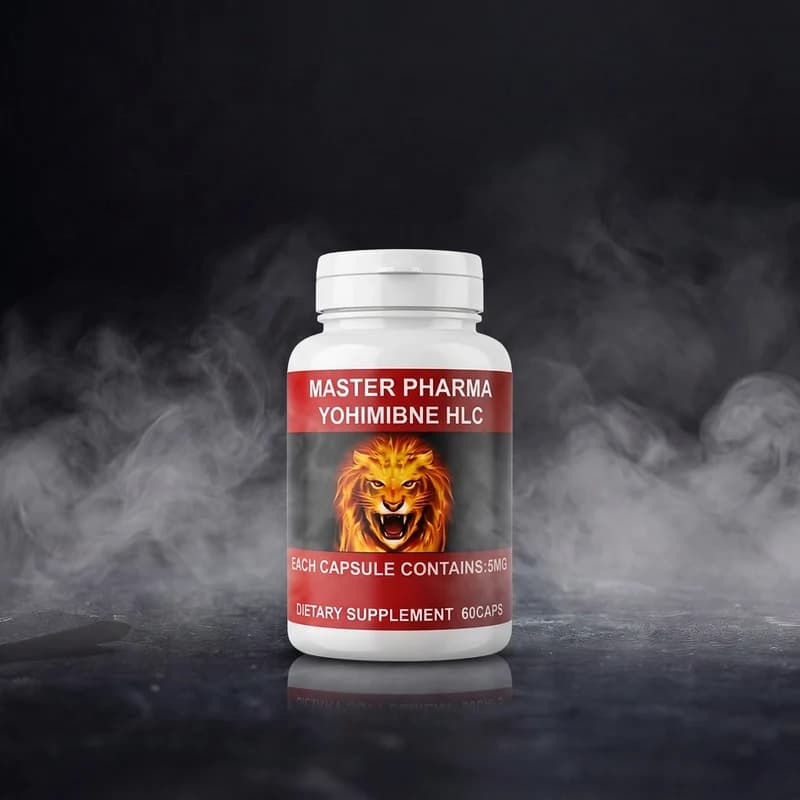
Stubborn fat areas — characteristically the lower abdomen, hips, and thighs — accumulate a disproportionately high density of adrenergic receptor subtypes that suppress lipolytic signalling. Yohimbine occupies and blocks these receptors, allowing endogenous catecholamines generated during low-to-moderate intensity aerobic exercise to act unopposed on the beta-adrenergic pathway. Imperia Laboratories' 5 mg tablet format delivers yohimbine in the granular dosing increments that fasted cardio protocols require: starting doses of 2.5–5 mg (half to one tablet) allow new users to assess cardiovascular tolerance before advancing. The aerobic session itself matters mechanistically — exercise-induced catecholamine release amplifies the receptor blockade's practical outcome, converting a pharmacological effect into measurable fat oxidation in otherwise resistant tissue.
HPLC-Verified Purity: The Precision Behind the Protocol
Imperia Laboratories subjects every yohimbine tablet batch to reversed-phase HPLC quantification before release, confirming that declared API content — 5.0 mg per tablet — falls within the laboratory's validated acceptance limits. This matters acutely for yohimbine: the margin between an anxiolytic dose and one that triggers tachycardia or hypertensive response is narrow, and undeclared API variance is the primary cause of adverse event reports in unverified yohimbine sources. HPLC verification eliminates concentration guesswork, making dose titration from 5 mg upward a predictable, controllable process rather than an empirical trial-and-error exercise.

 Lab Tested