Mechanism & Pharmacology of Testosterone Propionate
Testosterone propionate is a synthetic androgenic-anabolic steroid comprising the native testosterone molecule esterified at the C-17β hydroxyl position with propionic acid, yielding one of the shortest-chain testosterone esters used in performance and clinical contexts. The propionate ester confers a plasma half-life of approximately 0.8–1.5 days following intramuscular injection, markedly shorter than enanthate (4–5 days) or cypionate (6–8 days). This compressed pharmacokinetic profile produces a rapid elevation in serum testosterone, typically reaching peak concentration within 24–36 hours of administration, followed by an equally swift decline — a pattern that demands injection frequencies of every 48 hours or every other day to sustain stable androgen levels.
Once the ester undergoes hydrolysis by plasma and tissue esterases, free testosterone is released into systemic circulation. Free testosterone binds the androgen receptor (AR), a nuclear receptor encoded by the AR gene on the X chromosome, initiating receptor dimerisation and translocation to the nucleus, where it acts as a transcription factor to upregulate genes governing skeletal muscle protein synthesis, nitrogen retention, and erythropoiesis. Testosterone additionally undergoes two enzymatic conversions relevant to its physiological footprint: aromatase (CYP19A1) converts a portion to 17β-oestradiol, which supports bone mineralisation and libido but may elevate oestrogen-related side effects at higher doses; 5α-reductase converts testosterone to dihydrotestosterone (DHT), a more potent AR ligand responsible for androgenic effects in androgen-sensitive tissues such as the scalp and prostate.
Bioavailability following intramuscular injection approaches 100%, as the depot bypasses hepatic first-pass metabolism entirely. Serum testosterone concentration rises sharply, meaning that hormonal peaks and troughs are more pronounced than with longer esters unless injection frequency is kept consistent. Protein binding in plasma is high: approximately 44% binds to sex hormone-binding globulin (SHBG) and 54% to albumin, leaving roughly 2% as biologically free testosterone available for direct receptor engagement.
Application Context & User Groups
The short-acting nature of testosterone propionate makes it strategically useful across several distinct application scenarios in the bodybuilding and strength-sport context. Because serum levels normalise rapidly after cessation, propionate is frequently selected for the final weeks of a preparation cycle — often referred to as a "competition taper" — where athletes need the anabolic support of exogenous testosterone while ensuring hormonal clearance occurs within a tighter window ahead of tested events or planned post-cycle therapy (PCT). PCT protocols employing selective oestrogen receptor modulators (SERMs) such as tamoxifen or clomiphene can typically be initiated within 3–4 days of the final propionate injection, compared to 14–21 days required after long esters.
For intermediate and advanced users running defined-length cycles of 8–12 weeks, propionate allows comparatively precise titration of weekly testosterone exposure. A common protocol involves administering 100 mg every other day (equivalent to roughly 350 mg per week), though some advanced athletes use 150 mg/ml formulations to reduce injection volume while maintaining equivalent dosing. Beginners considering testosterone propionate should be aware that the higher injection frequency and the propionate ester itself can cause more pronounced injection-site discomfort than longer esters — a practical reality that influences product selection.
Testosterone propionate is also a rational choice during body recomposition phases, where practitioners aim to preserve lean tissue during a caloric deficit. Because free testosterone actively suppresses muscle protein breakdown by modulating cortisol-mediated catabolism and increasing IGF-1 hepatic output, maintaining stable androgen levels during a cut is prioritised by many competitive bodybuilders. The rapid onset of propionate means anabolic signalling is established within the first 48–72 hours of initiation, avoiding the multi-week "lag" associated with long-ester alternatives.
A note for users: while the information on this page is educational, the administration of anabolic steroids without appropriate medical guidance carries health risks, and users should familiarise themselves with local regulations prior to purchase or use.
Range & Selection by Concentration and Pack Size
Our testosterone propionate category lists 26 products from 26 distinct manufacturers, offering meaningful coverage across two concentration tiers and two primary packaging formats: the 10 ml multi-dose vial and the 10×1 ml single-dose ampule configuration.
100 mg/ml — the standard concentration tier
The 100 mg/ml concentration represents the established industry benchmark for testosterone propionate and accounts for the majority of products in this category. This tier suits every-other-day protocols cleanly: a 1 ml injection delivers exactly 100 mg of active compound, simplifying dose tracking without fractional measurement. Within this tier, packaging preference divides users practically.
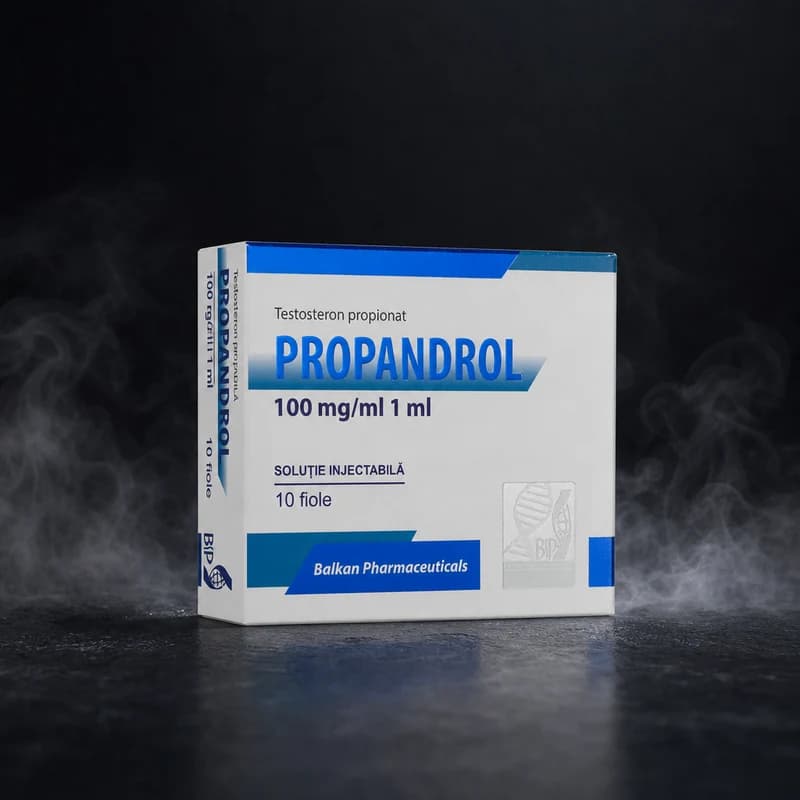
The 10×1 ml ampule format is preferred by users who prioritise sterility assurance per injection and minimal contamination risk over the course of a cycle. Testopin-100 100 mg/ml 10×1 ml Ampoules by BM Pharmaceuticals and Propandrol 100 mg/ml 10×1 ml Ampoules by Balkan Pharmaceuticals are representative products here; Balkan Pharmaceuticals in particular carries a long-established reputation in Eastern European pharmaceutical manufacture, with verification codes available for batch authentication.
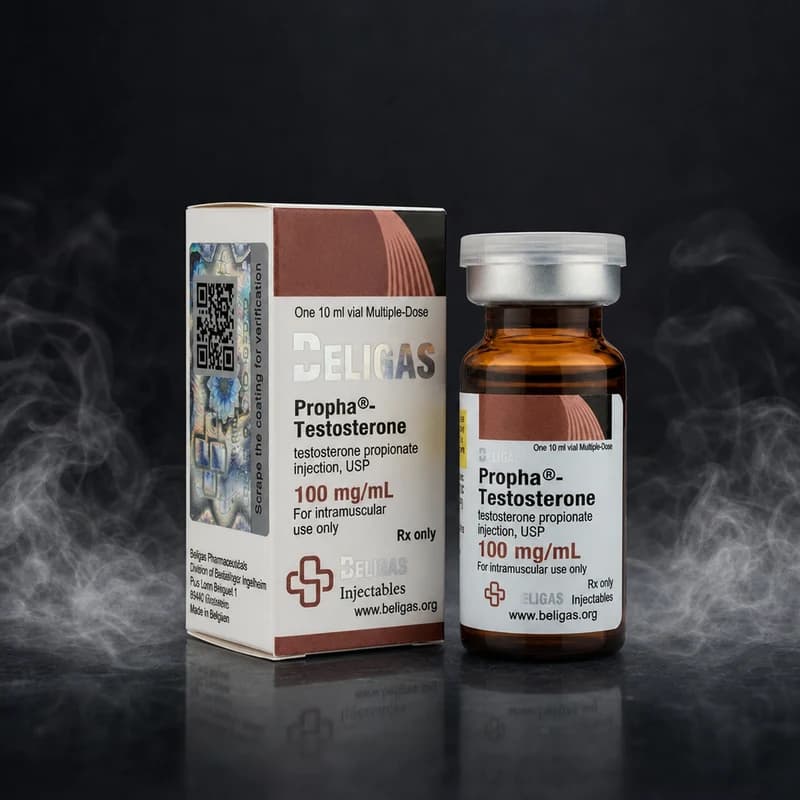
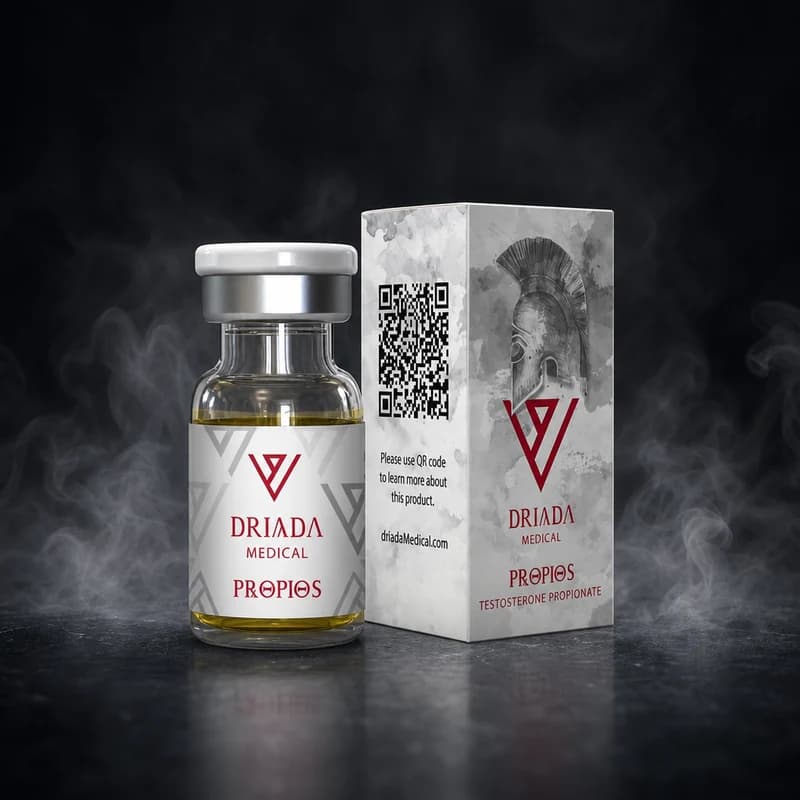
The 10 ml vial format offers volume efficiency for longer cycles or users who prefer to reduce the number of individual product units handled. Propha-Testosterone 100 mg/ml 10 ml Vial by Beligas Pharmaceuticals and Propionat 100 100 mg/ml 10 ml Vial by Dragon Pharma are prominent examples. Dragon Pharma's Propionat 100 is a widely circulated product in international bodybuilding markets, with the 10 ml vial supporting up to ten 100 mg doses from a single unit. Propios 100 mg/ml 10 ml Vial by Driada Medical offers an additional option at this tier from a manufacturer gaining increasing visibility in European markets.
150 mg/ml — the high-concentration tier
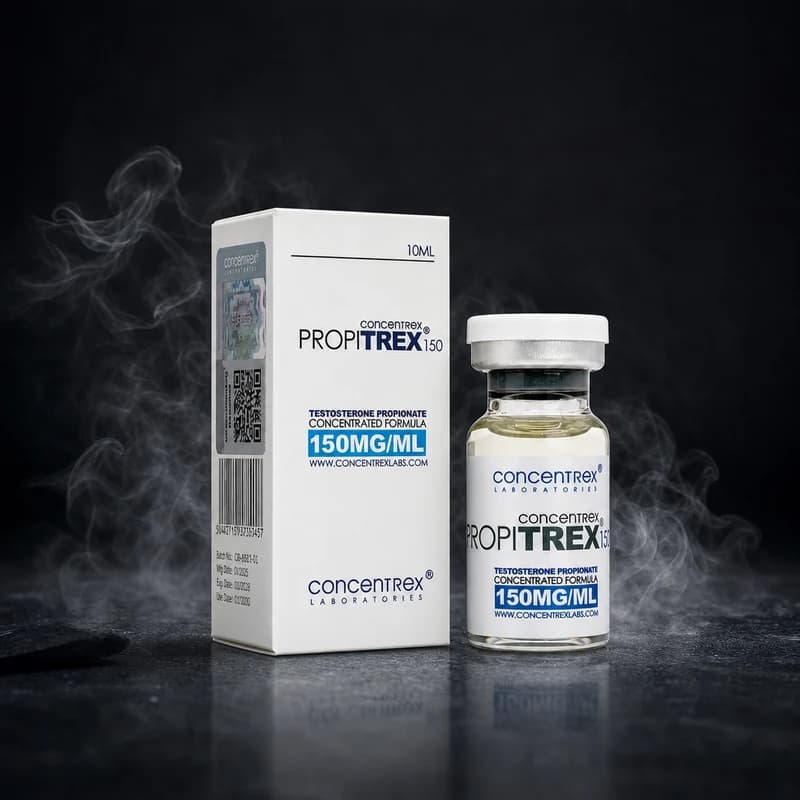
The 150 mg/ml concentration tier is a less common but practically significant option for experienced users who wish to reduce total injection volume without reducing weekly androgen exposure. At this concentration, a 0.67 ml injection delivers 100 mg, meaning a 10 ml vial provides approximately 1,500 mg of total testosterone propionate — a meaningful advantage for users on extended higher-dose protocols. PropiTrex 150 mg/ml 10 ml Vial by Concentrex Labs is the representative product in this tier within our range and is suited to users comfortable with concentration calculations and experienced with intramuscular self-administration.
Users new to testosterone propionate are generally advised to begin at the 100 mg/ml concentration for straightforward dosing, while the 150 mg/ml tier is better reserved for those who have already established their individual tolerability to the propionate ester and wish to optimise injection volume per session.
Frequently Asked Questions
How often should testosterone propionate be injected to maintain stable blood levels?
Due to its short half-life of approximately 0.8–1.5 days, testosterone propionate requires injection every 48 hours — commonly referred to as an every-other-day (EOD) protocol — to prevent significant hormonal troughs between doses. Some users inject daily to further smooth concentration peaks, particularly when running higher weekly totals above 400 mg.
Why does testosterone propionate cause more injection-site pain than longer esters?
The propionic acid ester itself is associated with greater post-injection discomfort than longer-chain esters such as enanthate or cypionate. This is compounded at higher concentrations. Many users find diluting a 150 mg/ml preparation with a small amount of sterile oil, or warming the vial slightly before injection, reduces local irritation meaningfully.
What is the difference between the ampule and vial formats for testosterone propionate?
Single-dose ampules (e.g., 10×1 ml) are opened and used once, eliminating concerns about repeated needle penetration of a septum and cumulative contamination risk over weeks. Multi-dose vials (e.g., 10 ml) are more economical per unit of volume and more convenient for frequent self-administration, but require strict aseptic technique throughout their use period to maintain sterility.


 Established Brand