Testosterone Propionate as the Androgenic Anchor in Peptide-Augmented Cycles
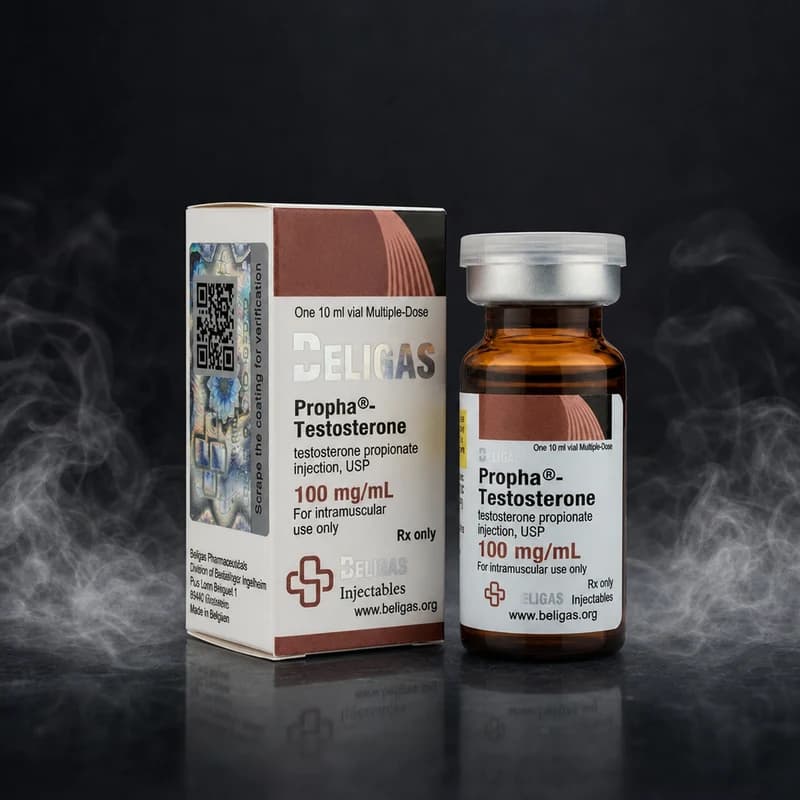
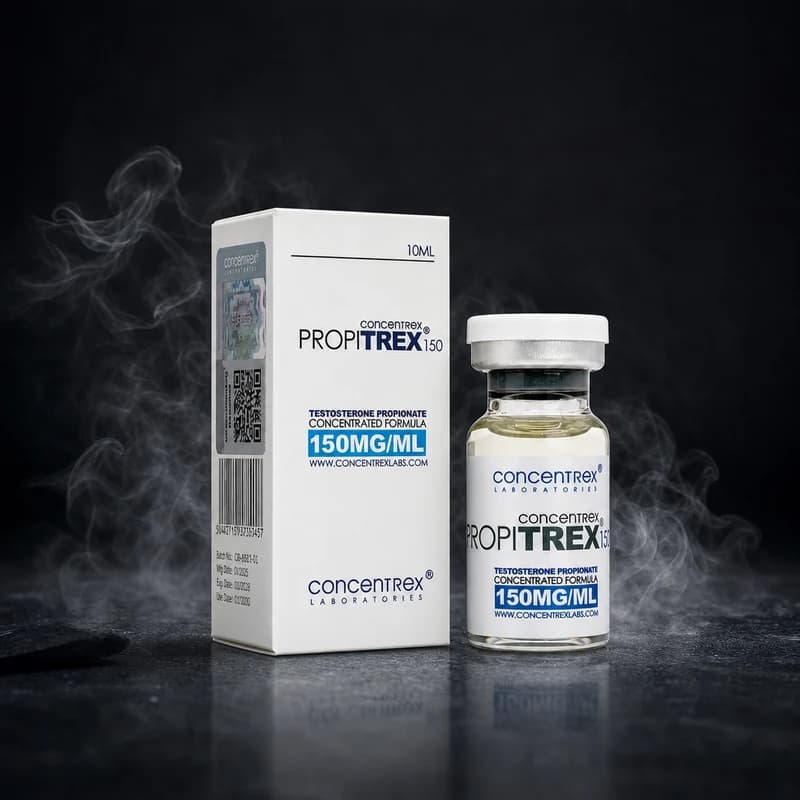
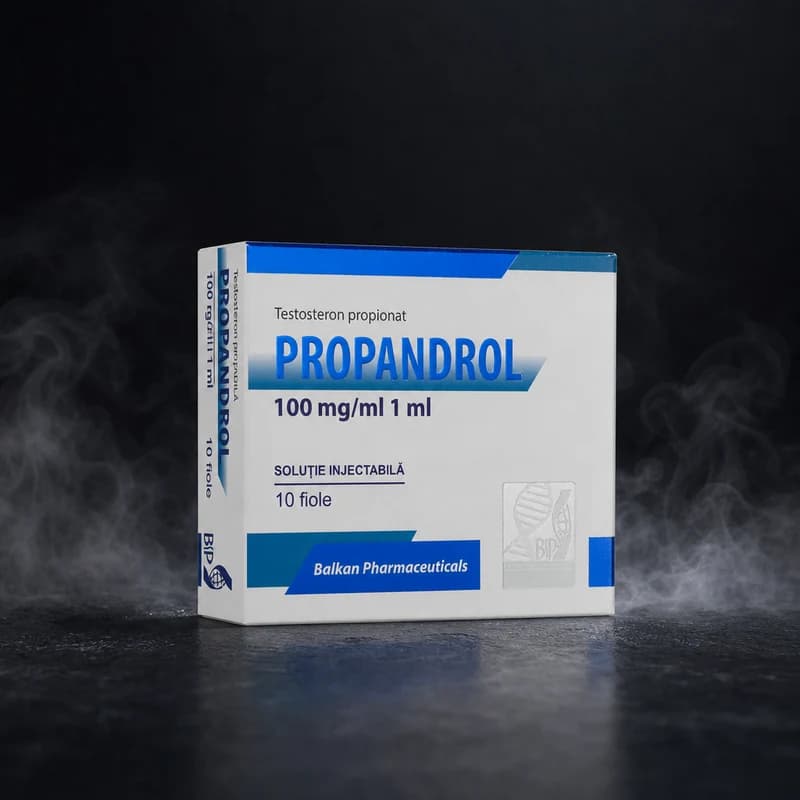
Pharma Group Testosterone Propionate 100mg/ml functions as a short-ester androgenic substrate designed to maintain stable free-testosterone availability during peptide-driven anabolic protocols where growth-hormone secretagogues, IGF-pathway modulators, and tissue-repair peptides are co-administered. The pharmacokinetic logic is straightforward: most anabolic peptides — including GHRPs such as GHRP-2 and GHRP-6, and GHRH analogues such as CJC-1295 without DAC — require a concurrent androgenic environment to translate elevated GH and IGF-1 signalling into net myofibrillar accretion. Without adequate circulating testosterone, GH-stimulated IGF-1 activity drives satellite-cell recruitment but lacks the androgen-receptor activation needed to complete full contractile-protein synthesis.
Which Peptides Pair Most Productively with Testosterone Propionate
GHRP-2 and CJC-1295 (no DAC) form the most documented GHRP/GHRH peptide pair combined with injectable testosterone in performance contexts. GHRP-2 stimulates pituitary GH release via the ghrelin receptor (GHSR-1a), while CJC-1295 without DAC extends each GH pulse by occupying GHRH receptors without producing continuous receptor saturation — a pulsatile profile that preserves IGF-1 receptor sensitivity better than long-acting DAC variants, according to pharmacodynamic data published in GH secretagogue receptor literature. Testosterone Propionate provides the androgenic substrate those elevated IGF-1 pulses require: free testosterone activates androgen-response elements on myosin heavy-chain gene promoters, a process that remains rate-limiting even when peptide-driven IGF-1 is abundant. Compared to longer-ester testosterones, propionate's short elimination window allows dose adjustments to translate into measurable plasma changes within two to three injection intervals — a responsiveness advantage when titrating androgen load to match peptide-phase intensity.
BPC-157 and TB-500 Tissue-Repair Protocols
Body-protective compound BPC-157 and the thymosin-beta-4 synthetic fragment TB-500 are increasingly used alongside testosterone propionate during injury-recovery phases. BPC-157 upregulates growth-factor receptor expression in tendon and ligament fibroblasts per preclinical mechanistic data; TB-500 promotes actin polymerisation and vascular remodelling in connective tissue. Testosterone propionate supports the anabolic environment surrounding that tissue repair by sustaining nitrogen retention and reducing muscle catabolism during enforced training reduction.
Dosage Architecture for Peptide-Combined Protocols
Peptide injection schedules — typically two to three sub-cutaneous administrations per day for GHRP/GHRH pairs — do not inherently dictate testosterone injection timing, but the EOD or three-times-weekly propionate schedule aligns well with the fasted-state windows most practitioners observe for GH-secretagogue injections. At 100mg/ml, each 0.5ml draw from a single-dose ampoule delivers 50mg — a building block that accommodates total weekly testosterone loads between 150mg and 350mg without requiring mixed-volume draws. Each ampoule is individually sealed by glass fusion under GMP-classified cleanroom conditions and cleared for bacterial endotoxin via LAL assay, which is particularly relevant when parenteral load is elevated by concurrent peptide injections across a cycle of eight to sixteen weeks.

 Established Brand