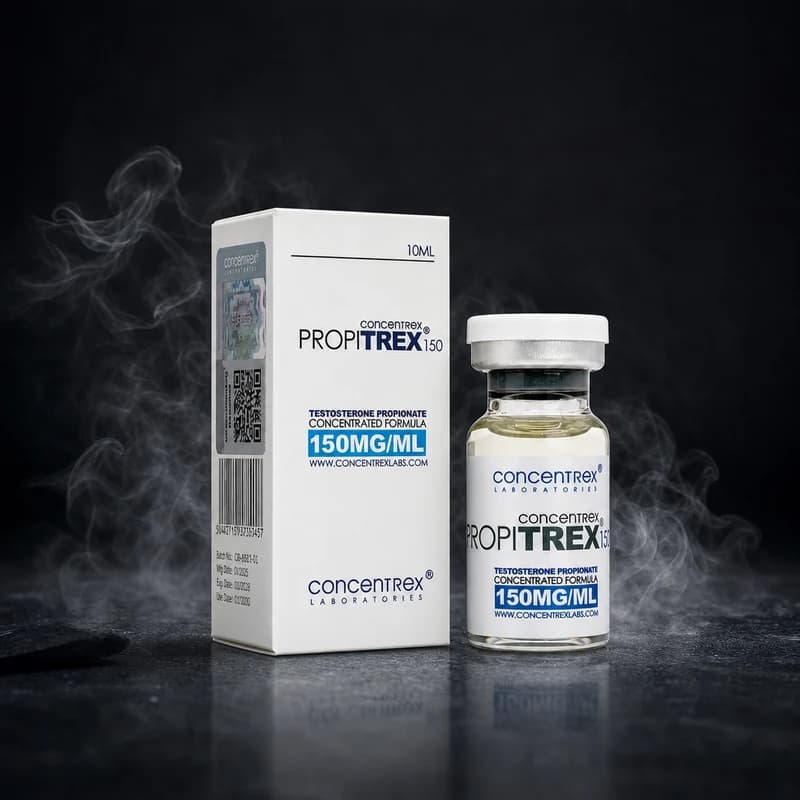
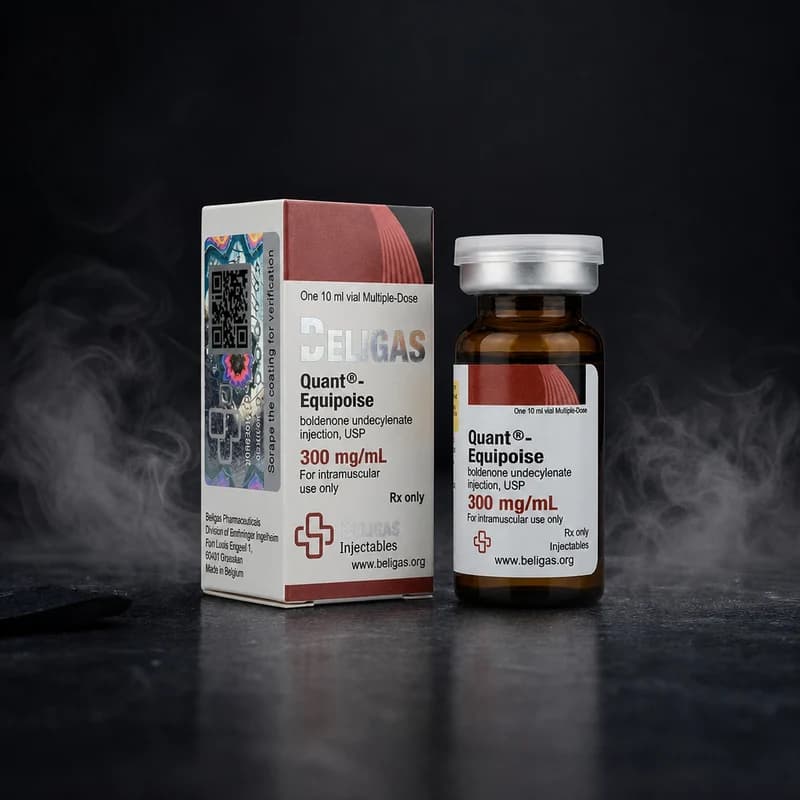
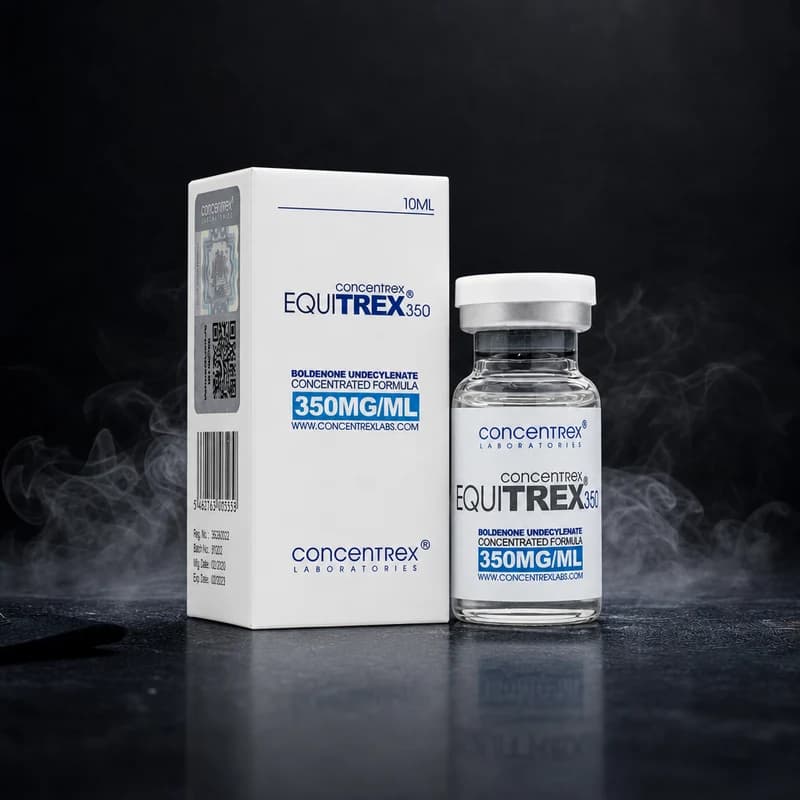
Contraindications: Propha-Testosterone is contraindicated in individuals with known or suspected androgen-dependent malignancies (prostate or breast cancer), pre-existing polycythaemia, severe untreated obstructive sleep apnoea, or hypersensitivity to any component of the formulation including the oil vehicle. Pregnant individuals must not handle or use this product; testosterone exposure during pregnancy carries virilisation risk to the foetus.
Side Effects: Potential adverse effects include androgenic reactions (acne, accelerated scalp hair thinning, increased body hair), oestrogen-related effects secondary to aromatisation (fluid retention, gynaecomastia), elevated haematocrit, and injection-site reactions such as transient soreness or induration. Libido changes and mood fluctuation may occur during dose titration phases.
Monitoring: Baseline and on-cycle serum testing should include total testosterone, free testosterone, oestradiol (E2), LH, FSH, haematocrit/haemoglobin, PSA (in males over 40), and hepatic enzyme panel. Serum monitoring every 6–8 weeks during active use allows timely dose or ancillary adjustments based on objective biomarker data rather than symptomatic assessment alone.
PCT: Endogenous testosterone suppression occurs with exogenous androgen administration regardless of ester length. Begin post-cycle therapy (PCT) approximately 3–5 days after the final Propha-Testosterone injection, given the propionate ester's short clearance window. Standard PCT agents include selective oestrogen receptor modulators (SERMs) such as Nolvadex (tamoxifen) or Clomid (clomiphene), maintained for 4–6 weeks to support hypothalamic-pituitary-gonadal (HPG) axis restoration.

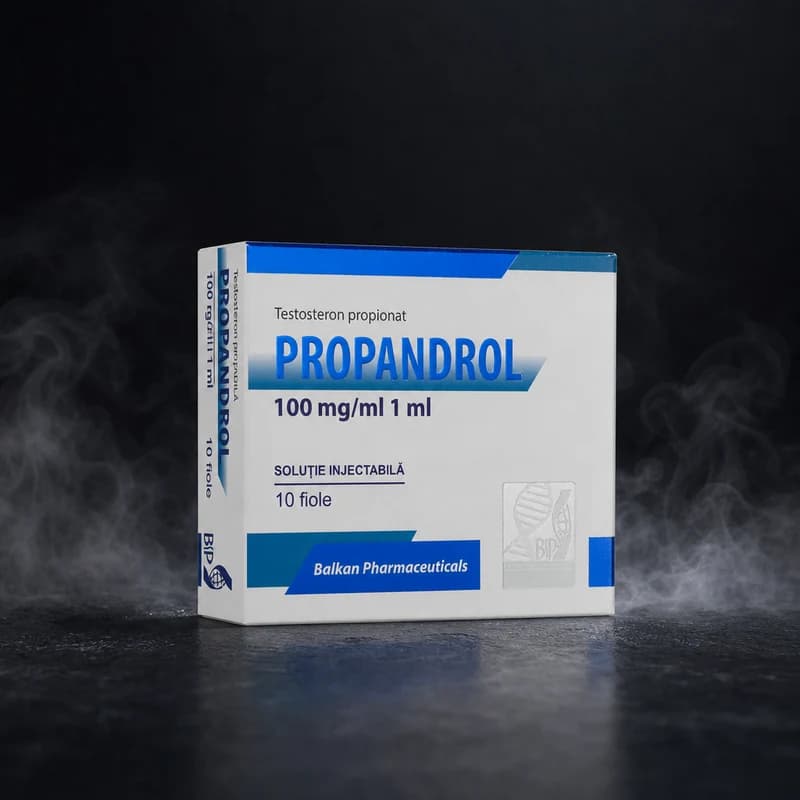 Established Brand