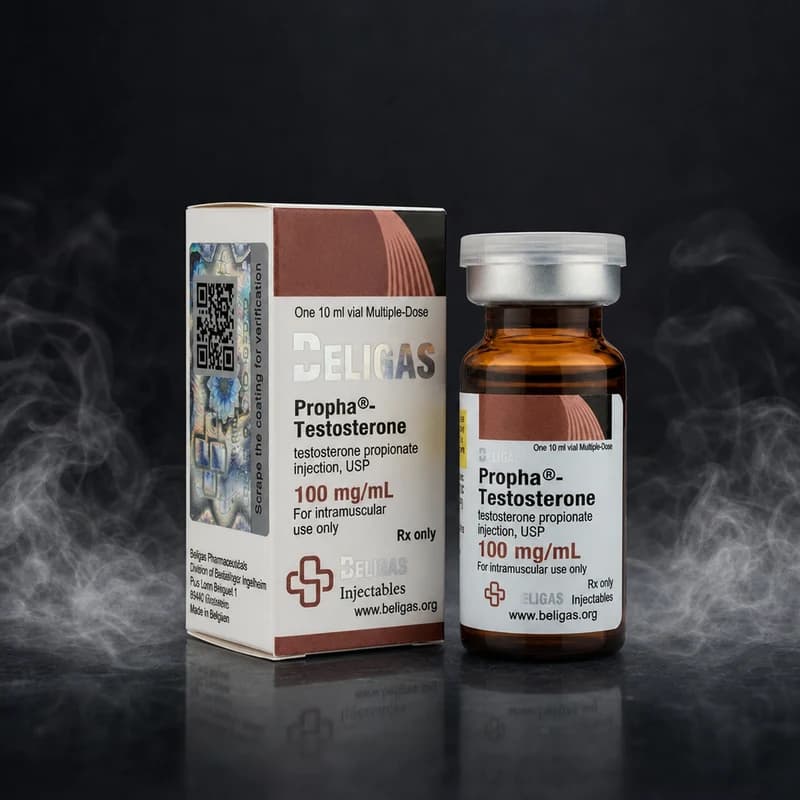
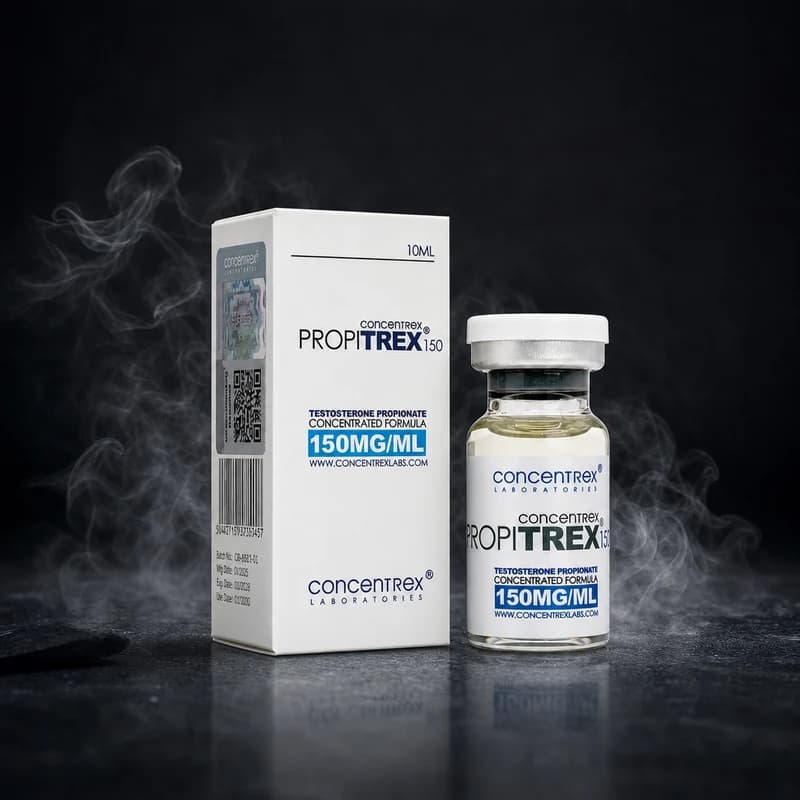
Contraindications: Propionat 100 is contraindicated in individuals with diagnosed prostate or breast carcinoma, known hypersensitivity to testosterone propionate or any oil-vehicle excipient (including benzyl alcohol or benzyl benzoate), and in women who are pregnant or breastfeeding. Individuals with severe untreated sleep apnoea, uncontrolled erythrocytosis, or active hepatic impairment should not use exogenous testosterone without specialist medical clearance.
Side Effects: Androgenic effects — acne, accelerated scalp hair loss in genetically predisposed individuals, and increased body hair — are proportional to circulating free testosterone levels, which a frontloading protocol deliberately elevates early. Oestrogen-related effects including water retention and gynaecomastia may emerge promptly during and immediately following the frontload phase; an aromatase inhibitor should be on hand prior to commencing the loading dose. Injection-site soreness is common with propionate formulations and may be more pronounced when drawing frequently from the same vial.
Monitoring: Haematocrit, haemoglobin, and serum PSA should be assessed at baseline and at four-week intervals during extended use. Serum testosterone (total and free) and oestradiol monitoring is particularly relevant during a frontloading protocol because the opening dose transiently elevates levels above the steady-state target. Lipid panel monitoring (LDL/HDL ratio) is recommended given the suppressive effect of exogenous androgens on HDL cholesterol, measurable within two to four weeks of cycle initiation.
PCT: Because the propionate ester clears the system within approximately four to eight days of the final injection (based on the compound's half-life kinetics), post-cycle therapy with a selective oestrogen receptor modulator can be initiated shortly after the last dose — typically three to five days. Standard PCT protocols employ Nolvadex (tamoxifen) or Clomid (clomiphene) for four weeks to restore hypothalamic-pituitary-gonadal axis function suppressed during the cycle.

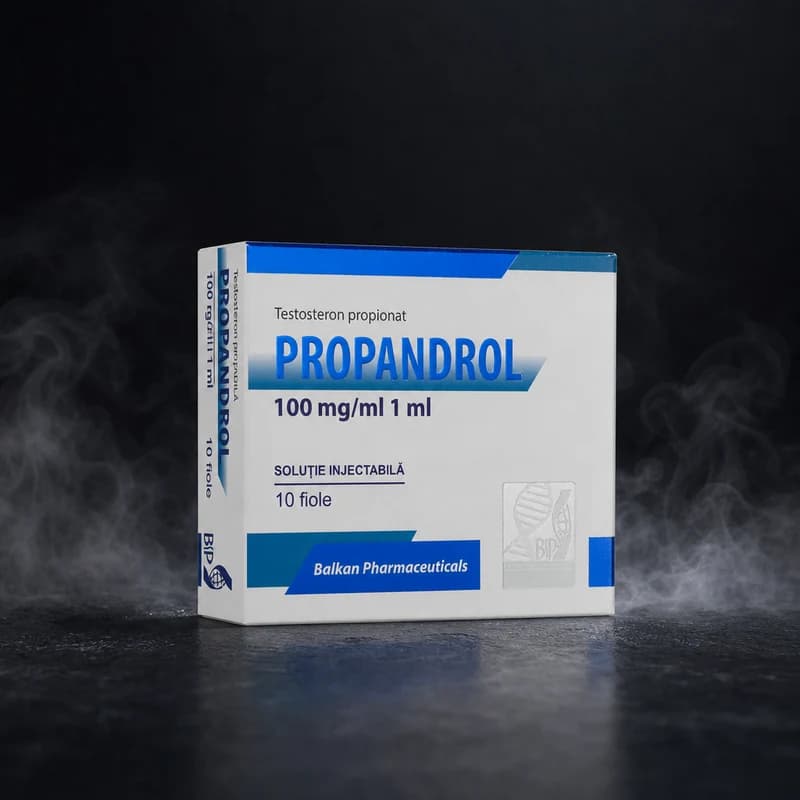 Established Brand