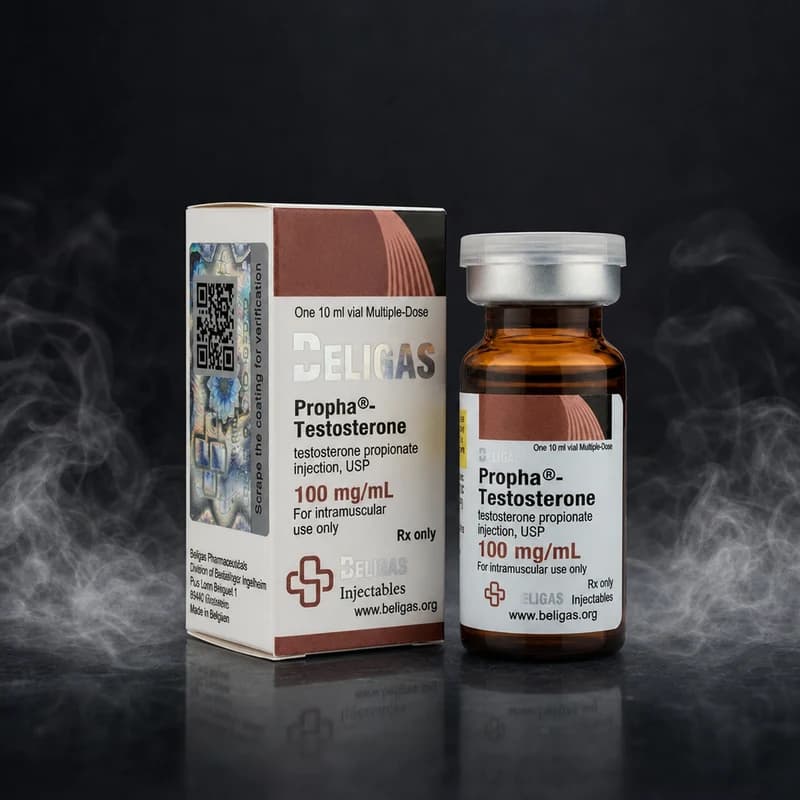
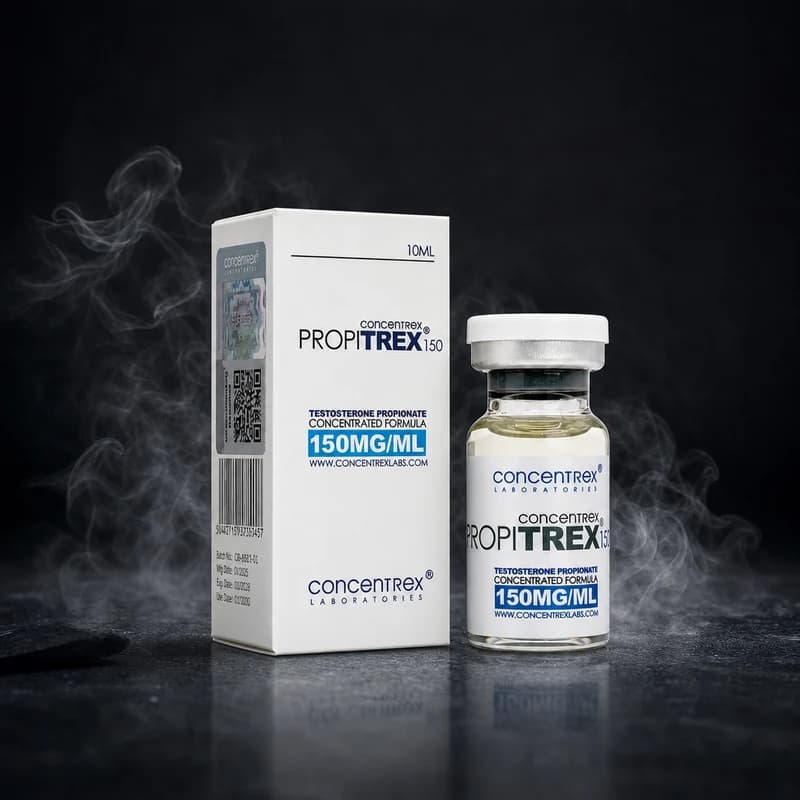
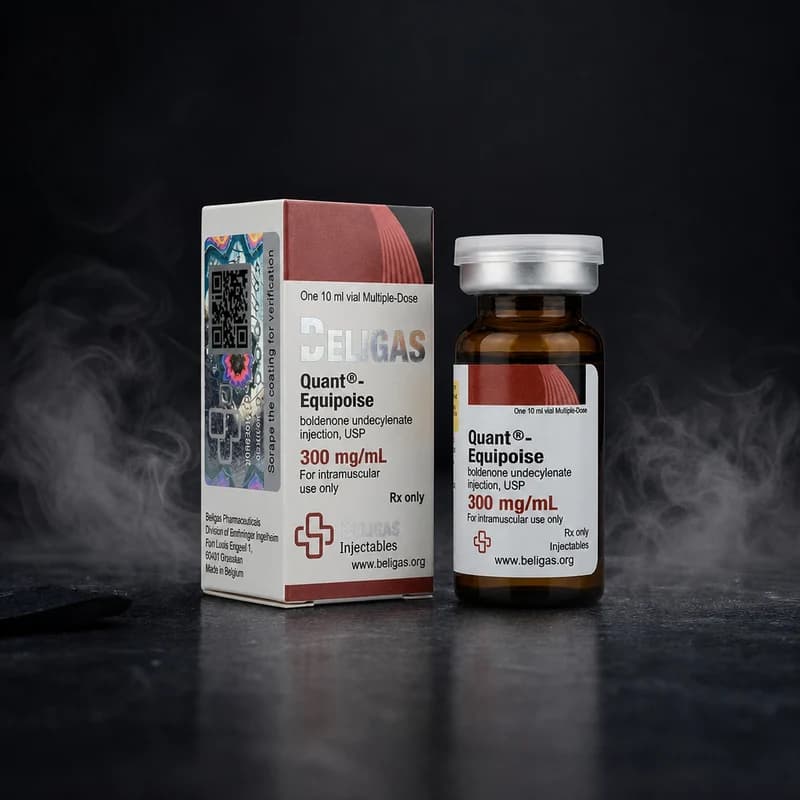
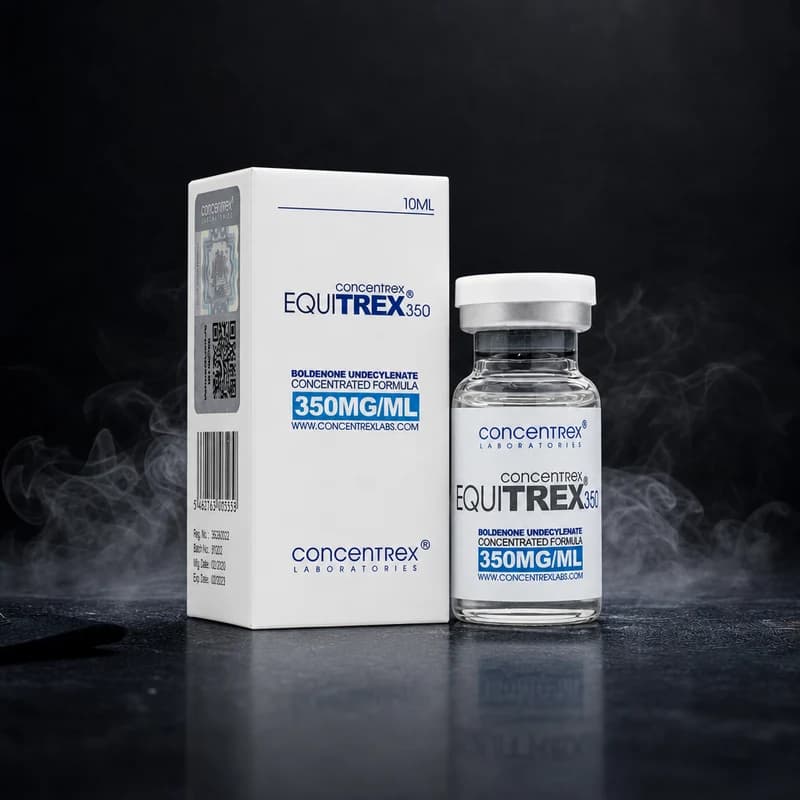
Contraindications: Testosterone propionate is contraindicated in individuals with androgen-sensitive prostate or breast carcinoma, untreated severe erythrocytosis (haematocrit above 54%), active hepatic impairment, or known hypersensitivity to any component of the formulation including the carrier oil. Individuals with uncontrolled cardiovascular disease, a history of thromboembolic events, or sleep apnoea requiring treatment should consult a physician before initiating any androgenic protocol.
Side Effects: Supraphysiological testosterone exposure can produce oestradiol-related effects — including gynecomastia and subcutaneous fluid accumulation — via aromatase conversion; aromatase inhibitor co-administration is advisable during bulking-phase doses above 300mg weekly. Androgenic effects including accelerated scalp hair thinning in genetically predisposed individuals, sebaceous gland hyperactivity, and increased haemoglobin concentration are dose-dependent and reversible upon cessation. Injection-site reactions including transient induration or bruising may occur with EOD administration schedules over extended bulk cycles.
Monitoring: Full blood panel including LH, FSH, total testosterone, oestradiol, haematocrit, lipid panel, and hepatic transaminases is recommended at baseline and every four to six weeks during an active bulking cycle. Blood pressure should be self-monitored weekly given androgenic influences on fluid balance and red blood cell mass. Haematocrit elevation above 52% warrants dose reduction or temporary suspension prior to re-evaluation.
PCT: Begin SERM-based post-cycle therapy three to five days after the final propionate injection, exploiting the short ester's rapid clearance. Clomiphene or tamoxifen protocols are the standard clinical reference for HPG-axis restoration following testosterone suppression. Duration of PCT is typically four weeks but should be guided by LH and FSH recovery bloodwork rather than a fixed calendar endpoint.

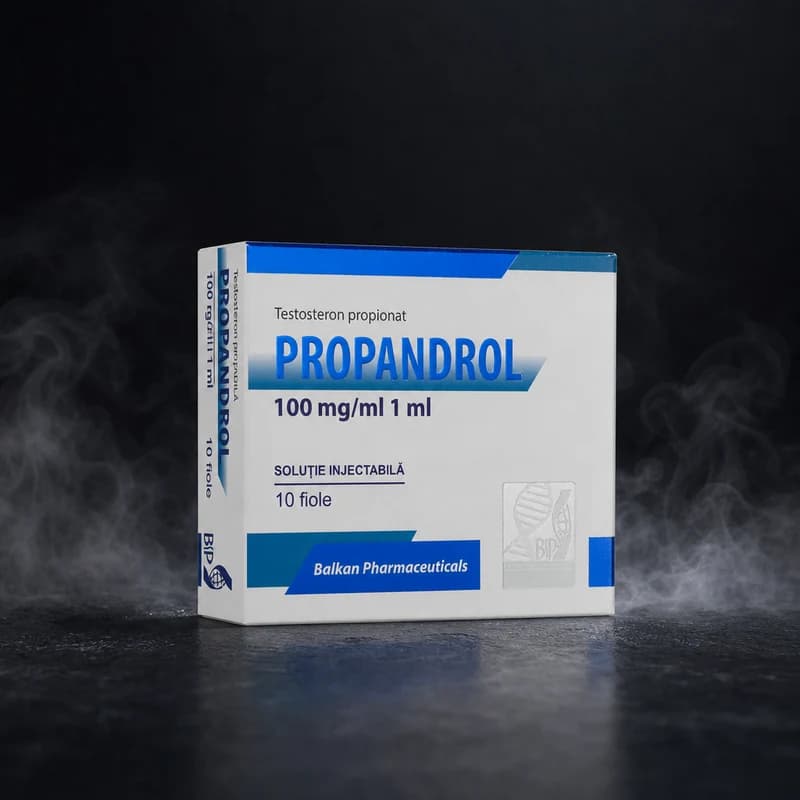 Established Brand