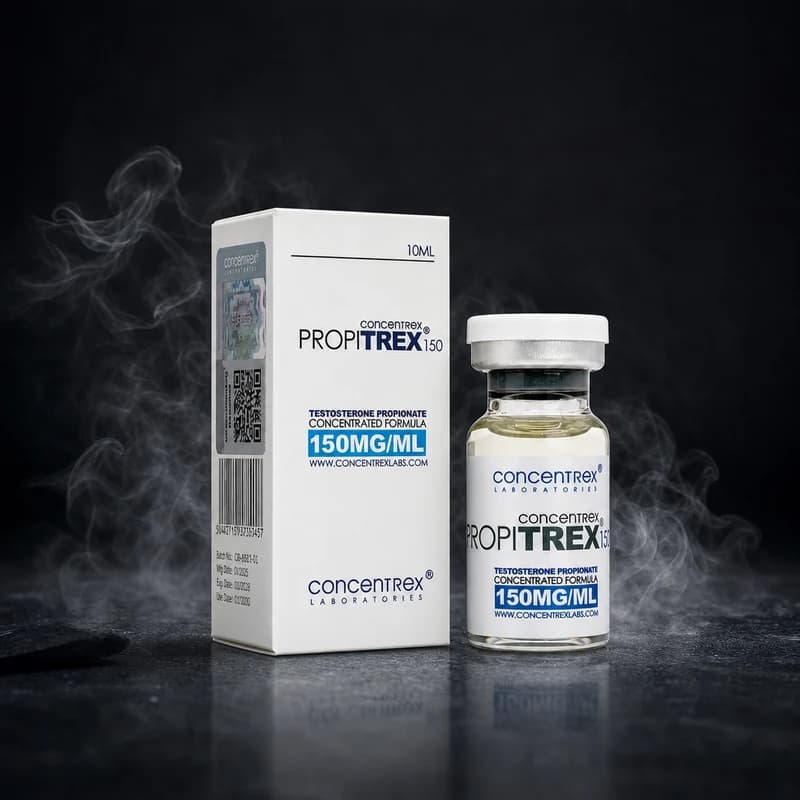
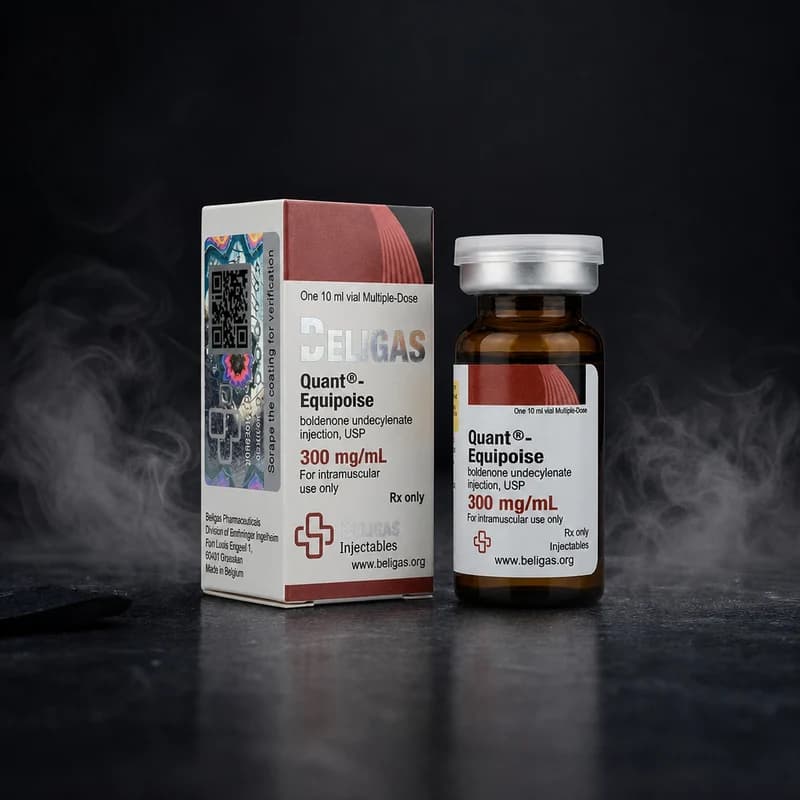
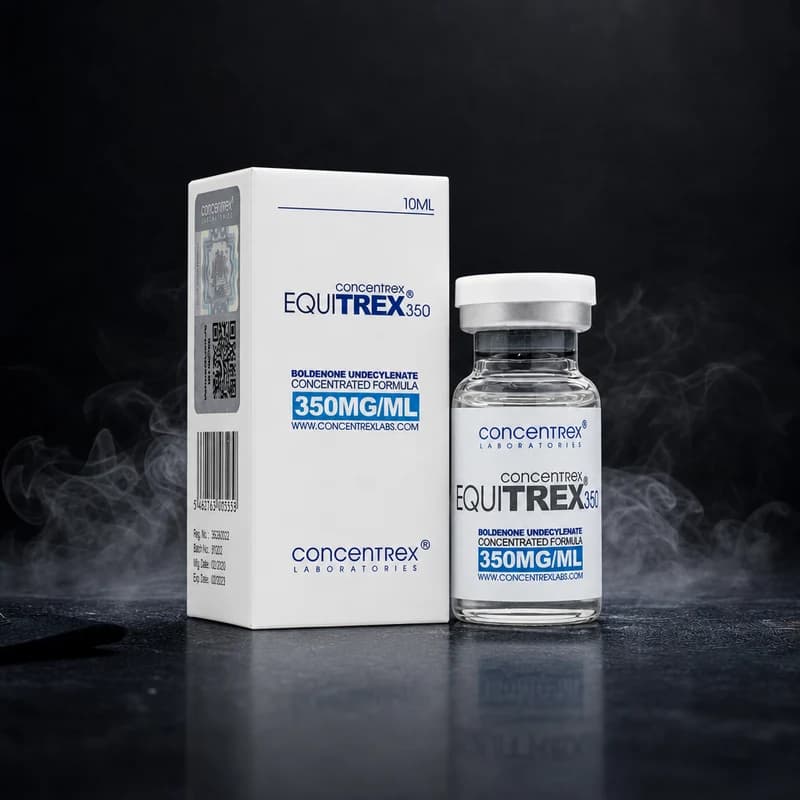
Contraindications: Not indicated for individuals with androgen-sensitive malignancies, active polycythaemia, severe hepatic or renal impairment, or untreated obstructive sleep apnoea. Women who are pregnant or may become pregnant must not use injectable androgens. Individuals with a history of hypersensitivity to testosterone esters or carrier oils should not use this preparation.
Side Effects: Androgenic effects may include accelerated scalp hair thinning in genetically predisposed individuals, increased sebum production, and potential acne. Aromatisation of testosterone to oestradiol may produce gynaecomastia or water retention, particularly during the induction phase when androgen load is highest. Haematocrit elevation has been documented with testosterone administration; erythrocytosis should be monitored at cycle intervals. Injection-site discomfort is commonly reported with propionate-ester preparations.
Monitoring: Baseline and end-of-cycle blood panels should include total testosterone, LH, FSH, oestradiol, haematocrit, haemoglobin, and lipid profile. Liver enzymes (ALT, AST) are advisable if oral co-administration occurs within the stack. Blood pressure monitoring is recommended throughout the cycle, particularly during the maintenance plateau when androgenic load is sustained.
PCT: Post-cycle therapy with a SERM such as tamoxifen or clomiphene citrate should be initiated 3–5 days after the final propionate injection, exploiting the compound's short pharmacokinetic tail for precise HPG axis recovery. Standard SERM protocols of 4–6 weeks are typically employed; duration should reflect total cycle length and androgenic load sustained during the maintenance phase.

 Established Brand