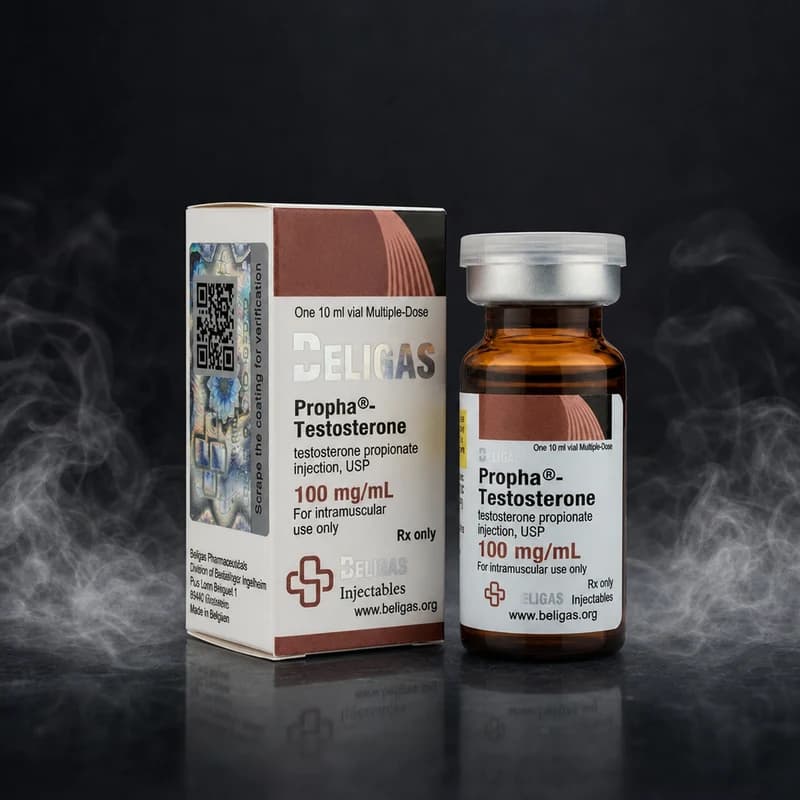
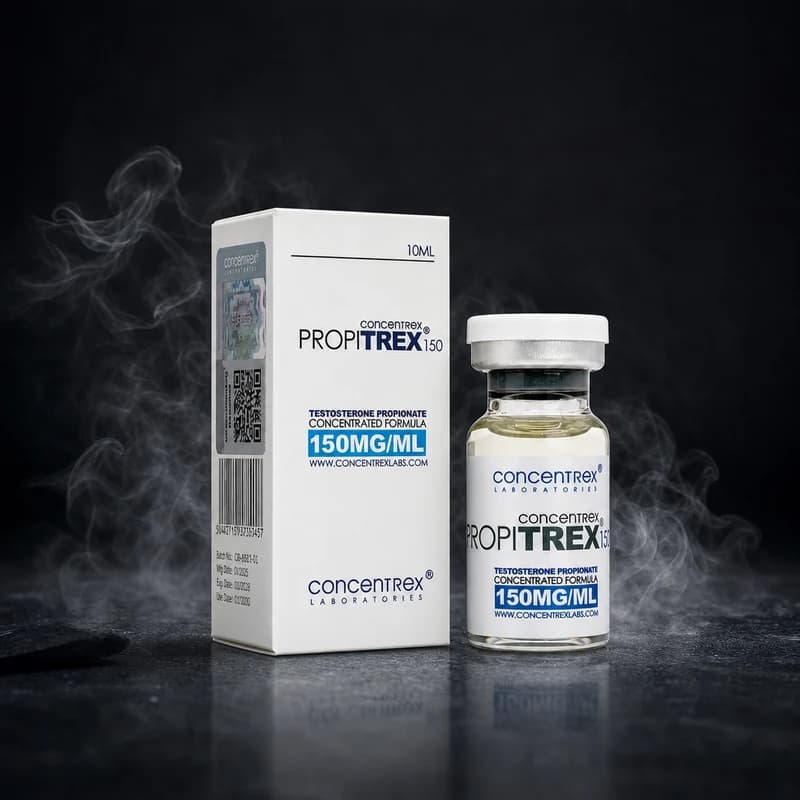
Contraindications: Do not use if you have existing prostate pathology, breast carcinoma, erythrocytosis (haematocrit above 54%), severe hepatic impairment, or untreated cardiovascular disease. Contraindicated in women of childbearing potential and individuals under 21 years of age. Testosterone Propionate combined with SARMs doubles HPG-axis suppression risk; do not stack if natural testosterone recovery from a prior cycle is incomplete (confirm with serum LH/FSH before starting).
Side Effects: Androgenic effects include acne, accelerated scalp hair recession, and increased sebum production. Oestrogenic effects — gynecomastia and water retention — can emerge even at conservative SARM-support doses due to aromatase activity. SARMs themselves may contribute mild liver enzyme elevation; adding exogenous testosterone requires baseline and mid-cycle ALT/AST monitoring to distinguish sources. Injection-site pain is common with the propionate ester.
Monitoring: Measure serum testosterone, oestradiol (sensitive assay), haematocrit, ALT, AST, and lipid panel at baseline and at week 4 of the cycle. Because SARMs suppress LH and FSH independently, these markers will not recover during the cycle; test them two weeks into PCT to assess HPG-axis rebound trajectory. Blood pressure monitoring every two weeks is recommended when combining androgenic and SARM-class compounds.
PCT: Begin SERM-based PCT (Nolvadex 40/40/20/20 mg or Clomid 50/50/25/25 mg daily) 5–7 days after the final Testosterone Propionate injection. The propionate ester's short clearance window and comparable SARM elimination timelines permit a unified PCT start. Run PCT for a minimum of four weeks; confirm recovery with serum LH, FSH, and total testosterone before resuming any androgenic or SARM protocol.

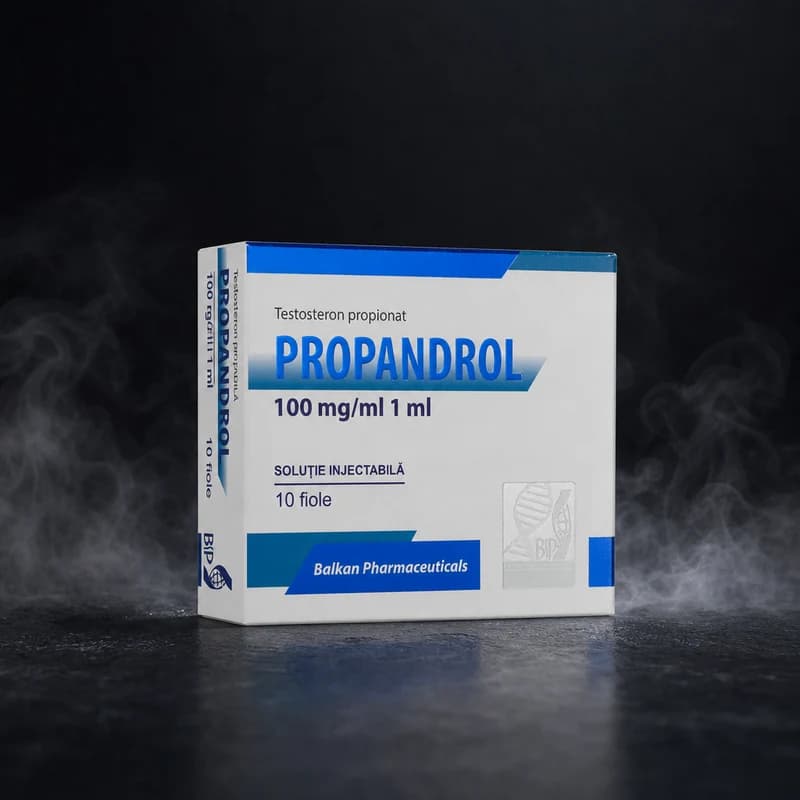 Established Brand