Mechanism & Pharmacology of Trenbolone Mix
Trenbolone Mix is a multi-ester injectable anabolic formulation combining three distinct trenbolone esters — typically trenbolone acetate, trenbolone enanthate, and trenbolone hexahydrobenzylcarbonate — in a single preparation, engineered to deliver both rapid onset and prolonged systemic activity. Unlike single-ester trenbolone compounds, a blended formulation staggers the rate of hydrolysis at the injection site, creating overlapping plasma concentration curves that sustain active hormone levels across a broader window between administrations.
At the molecular level, trenbolone binds the androgen receptor with an affinity approximately three times greater than testosterone, making it one of the most potent androgen receptor agonists available in injectable form. This high-affinity interaction drives significantly elevated nitrogen retention within skeletal muscle tissue and dramatically suppresses catabolic glucocorticoid signalling — trenbolone competes directly with cortisol at the glucocorticoid receptor, reducing muscle protein breakdown even during caloric restriction. The compound does not aromatise via the aromatase enzyme, which means it produces no oestrogen-related metabolites at standard doses; water retention associated with oestrogen is therefore absent, contributing to the characteristically dense, striated muscularity associated with trenbolone use.
The acetate ester fraction carries the shortest half-life, typically 1–3 days, ensuring active hormone enters circulation within hours of injection. The hexahydrobenzylcarbonate (parabolan) ester extends release to approximately 14 days, while enanthate sits between the two at roughly 7–10 days. This pharmacokinetic layering is the defining advantage of a tri-blend: users gain the fast hormonal response associated with short esters without sacrificing the sustained baseline provided by long esters. Bioavailability following intramuscular injection is effectively complete, as ester hydrolysis in muscle and plasma converts the prodrug to free trenbolone efficiently. Binding to sex hormone-binding globulin (SHBG) is notably low, meaning a substantial proportion of circulating trenbolone remains in the unbound, biologically active state.
Progesterone receptor partial agonism is a recognised pharmacological property of trenbolone. This activity does not produce feminising effects per se, but it can potentiate prolactin-related side effects in susceptible individuals, particularly when stacked with other progestogenic compounds. Trenbolone also binds strongly to the insulin-like growth factor 1 (IGF-1) receptor and upregulates local IGF-1 expression in muscle tissue, adding an anabolic dimension beyond androgen receptor activation alone.
Application Context & User Groups
Trenbolone Mix finds its primary application among advanced bodybuilders and physique competitors who require substantial lean mass accrual or accelerated fat loss without the oedema-associated obscuring of muscular definition. The dual utility — genuinely effective in both bulking and cutting phases — sets tri-blend trenbolone apart from many single-compound injectable steroids.
In a mass-building context, the pronounced nitrogen-retention effect and IGF-1 upregulation allow users to accumulate denser, higher-quality muscle tissue than would typically be achievable with testosterone-based compounds alone at comparable doses. Pre-contest and recomposition protocols benefit from trenbolone's anti-glucocorticoid activity, which preserves lean tissue aggressively during hypocaloric periods — a property that has been documented in livestock research since trenbolone acetate was originally approved for veterinary use to improve feed efficiency in cattle.
Because trenbolone is highly androgenic, it is generally considered inappropriate for individuals new to anabolic compounds. The androgenic index is rated at 500 relative to testosterone's baseline of 100, and side-effect profiles — including androgenic alopecia acceleration in genetically susceptible users, possible cardiovascular strain, and neuroendocrine suppression of the hypothalamic-pituitary-gonadal (HPG) axis — demand a thorough understanding of post-cycle recovery protocols. For this reason, experienced users who understand suppression management, lipid monitoring, and ancillary compound use represent the appropriate target demographic.
Performance athletes in strength sports occasionally incorporate trenbolone mix during intensification phases, attracted by the disproportionate strength-to-weight gains that accompany lean mass accrual without fluid retention. The absence of aromatisation means blood pressure risks attributable to oestrogen-mediated sodium retention are reduced, though androgenic cardiovascular considerations remain relevant and should be individually assessed.
A brief note: the content on this page is intended for informational and harm-reduction purposes. It does not constitute medical advice.
Range & Selection by Concentration and Pack Size
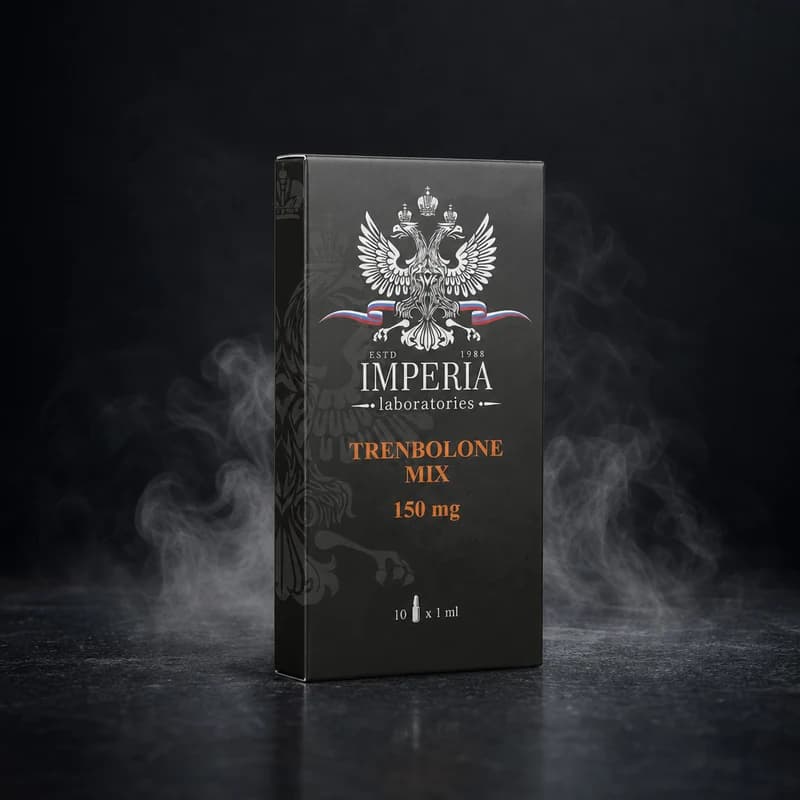
The trenbolone mix category spans four concentration tiers — 150 mg/ml, 200 mg/ml, 250 mg/ml, and 270 mg/ml — available in two pack formats: the 10 ml vial, which offers practical economy for extended cycles, and 10×1 ml ampules, which provide sterility assurance and precise per-dose measurement.
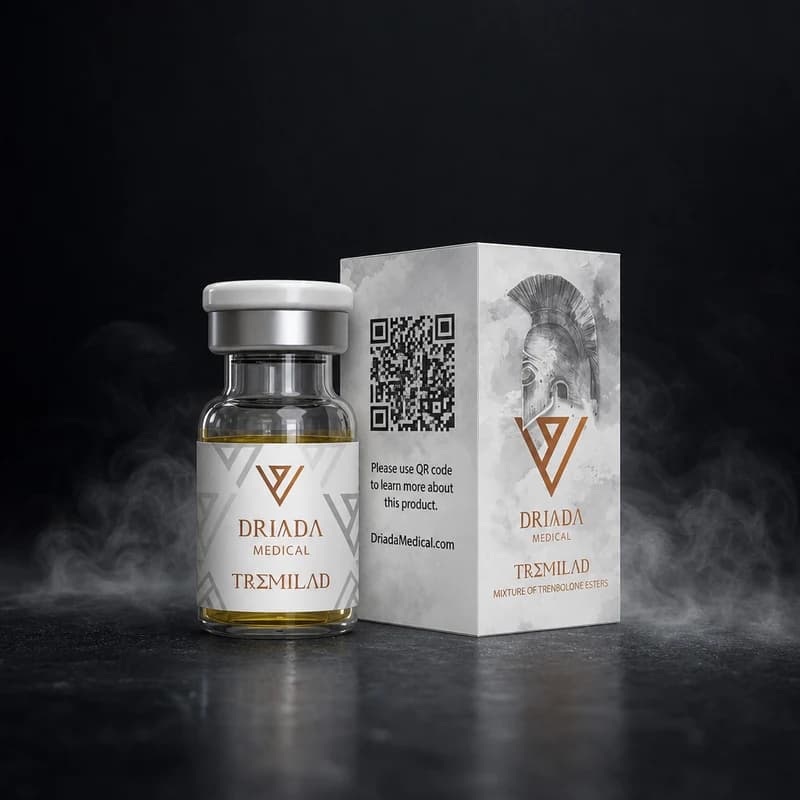
TriTren 150 150 mg/ml 10 ml Vial by Dragon-Pharma and Tremilad 150 mg/ml 10 ml Vial by Driada Medical represent the entry point of the range. At 150 mg/ml, injection volumes per dose are somewhat larger, which some users find more comfortable in terms of injection site tolerance — trenbolone blends at very high concentrations can increase post-injection discomfort due to carrier oil and ester density. Trenbolone Mix 150 mg/ml 10 ml Vial by Hilma Biocare rounds out this tier with a well-regarded manufacturing reputation and is a common first-choice for users transitioning from simpler trenbolone enanthate protocols to a blended format.
The 200 mg/ml tier is represented by Tribol-200 200 mg/ml 10×1 ml Ampoules by BM Pharmaceuticals, a format particularly suited to users who prefer the sterility and single-use convenience of ampules. This tier offers a practical balance between injection volume and dose flexibility — a single 1 ml ampule delivers a meaningful dose without the compounding discomfort sometimes associated with higher-concentration preparations.
At 250 mg/ml, Tri-Tren 250 250 mg/ml 10 ml Vial by GenTec delivers higher total hormone per millilitre, reducing injection volume per session — an advantage for users administering the compound twice weekly over a longer cycle period, where cumulative volume at the injection site becomes a practical consideration.
The 270 mg/ml tier, represented by Tri-TrenaTrex 270 270 mg/ml 10 ml Vial by Concentrex Labs, is the highest concentration available in this category and is best suited to experienced users comfortable with high-concentration oil formulations. The reduced volume per dose at this tier makes administration more discreet and practical, though individual tolerance to concentrated trenbolone preparations varies and should be assessed incrementally.
Selection guidance: users newer to trenbolone blends or those prioritising injection comfort should consider the 150 mg/ml tier in vial format. Those optimising for minimal injection volume per dose, particularly mid-cycle or competition-prep users managing multiple compounds, may prefer the 250 mg/ml or 270 mg/ml vials. The ampule format across any tier suits those placing a premium on per-dose sterility assurance and precise dosing documentation.
Frequently Asked Questions
What is the difference between Trenbolone Mix and single-ester trenbolone enanthate?
Trenbolone Mix combines three esters — typically acetate, enanthate, and hexahydrobenzylcarbonate — in one preparation. This creates overlapping release profiles: the acetate fraction activates quickly within the first 24–48 hours, while longer esters maintain stable blood levels between injections. Single-ester trenbolone enanthate offers a simpler pharmacokinetic pattern but lacks the rapid-onset component that blends provide.
How does concentration affect which Trenbolone Mix product to choose?
Higher concentrations (250–270 mg/ml) reduce the volume injected per dose, which is practical when administering multiple compounds simultaneously. Lower concentrations (150 mg/ml) are often better tolerated at the injection site and may suit users who are sensitive to high-concentration oil-based preparations. The active hormone delivered per milligram of product is equivalent across concentrations; only the carrier volume per dose differs.
Does Trenbolone Mix cause oestrogen-related side effects?
Trenbolone does not convert to oestrogen via the aromatase enzyme, so oestrogen-mediated effects such as water retention or gynaecomastia are not a direct concern with trenbolone mix itself. However, trenbolone does exhibit partial progesterone receptor activity, which can interact with prolactin levels in some users, particularly when stacked with other compounds. Managing the full hormonal environment of a cycle remains important.


 Top Seller