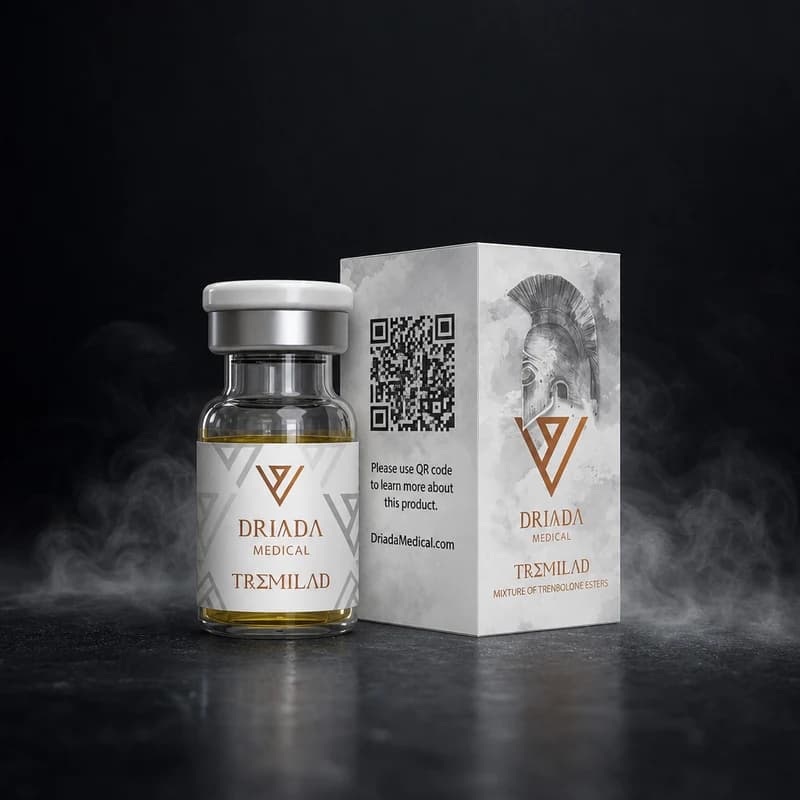
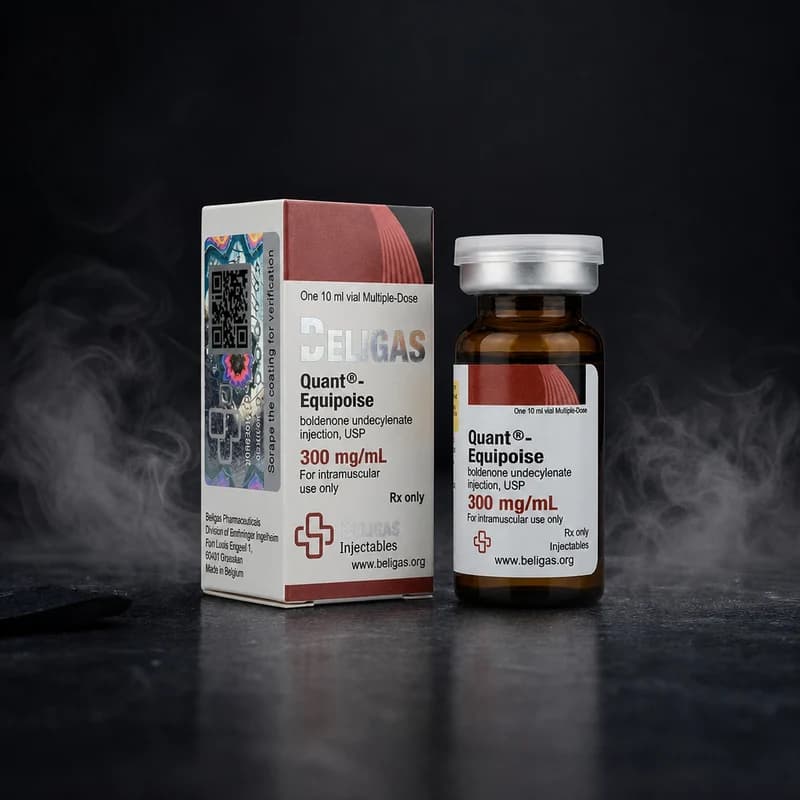
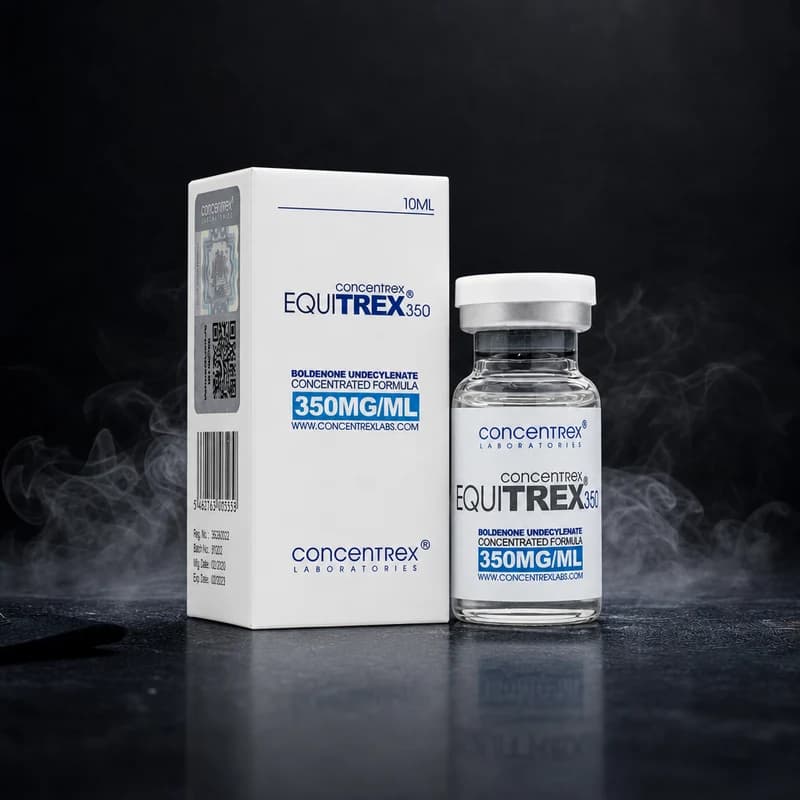
contraindications: TriTren 150 is contraindicated in individuals with confirmed prostate or breast carcinoma, severe hepatic impairment, diagnosed cardiovascular disease (including left ventricular hypertrophy or uncontrolled hypertension), and in all women of childbearing potential due to virilization risk. Do not initiate use without baseline bloodwork including hematocrit, LFTs, lipid panel, and testosterone levels.
side_effects: Trenbolone-class androgens carry a risk profile that intensifies in multi-compound synergy protocols: elevated hematocrit (target <52%), androgenic alopecia in genetically predisposed individuals, night sweats, insomnia, increased aggression, and potential prolactin elevation (monitor with prolactin assay). 'Tren cough' — a transient coughing episode seconds after injection — is a compound-specific reaction unrelated to infection; it resolves spontaneously within minutes.
monitoring: Obtain bloodwork at baseline and at 6-week intervals during active use: CBC (hematocrit), lipid panel (LDL/HDL ratio), serum prolactin, liver enzymes (AST/ALT), and blood pressure. Cardiovascular monitoring is especially important when stacking TriTren 150 with other androgenic or orally hepatotoxic compounds given the additive cardiovascular stress of a synergistic stack.
pct: Begin PCT 14–18 days after the final TriTren 150 injection to account for the Hexahydrobenzylcarbonate ester's longer terminal half-life. A standard protocol of Nolvadex 40 mg/day for 2 weeks followed by 20 mg/day for 2 further weeks is recommended; Clomid 50 mg/day may be added in the first two weeks for deeper HPTA stimulation. Aromatase inhibitors are not required for trenbolone itself but may be needed to manage aromatization from any co-administered testosterone.

 Top Seller