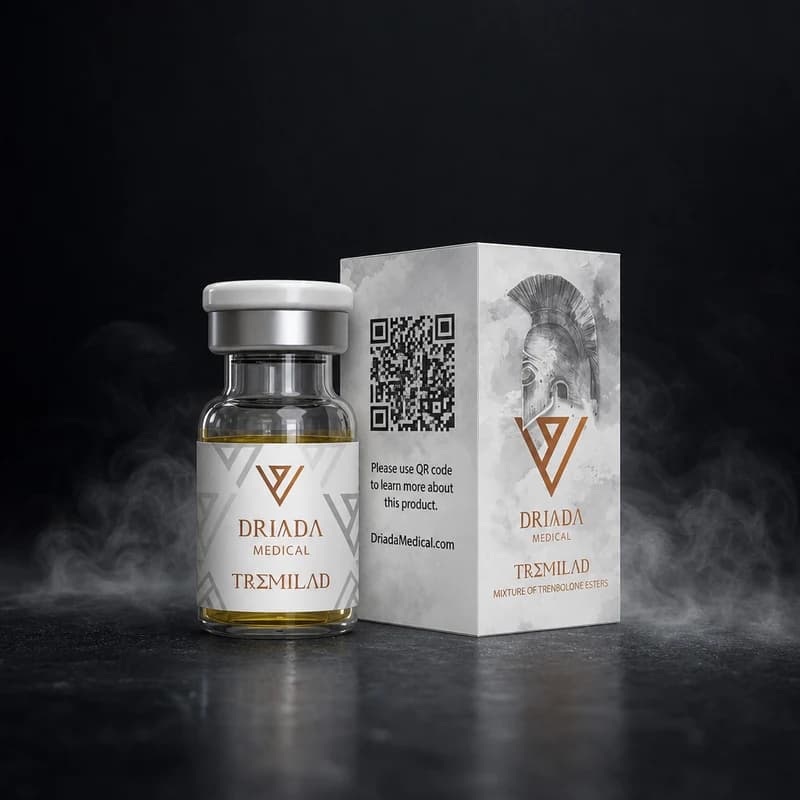
Contraindications: Tri-Trenbolone 200 must not be used by individuals with existing cardiovascular disease, left ventricular hypertrophy, polycythaemia, or active prostate pathology. Women, minors, and individuals with hepatic or renal impairment should not use this compound. Concurrent use with anticoagulants requires medical supervision due to androgen-mediated effects on clotting-factor synthesis.
Side Effects: Androgenic effects including accelerated scalp hair thinning, acne, and elevated sebum production are concentration-dependent and correlated with plasma trenbolone levels across the ester clearance window. Cardiovascular monitoring is essential: trenbolone suppresses HDL cholesterol (confirmed by lipid-panel assay) and may increase left ventricular wall thickness with prolonged use. Trenbolone-specific side effects include night sweats, sleep disruption, and increased aggression — these are pharmacodynamically linked to high androgenic receptor occupancy and typically intensify as steady-state plasma levels accumulate in weeks 3–4.
Monitoring: Obtain a full blood panel (lipid profile, haematocrit, LH, FSH, testosterone) before cycle initiation and repeat at weeks 4–6 and at PCT entry. Blood pressure should be measured weekly; hypertensive readings above 140/90 mmHg warrant dose reduction or cycle cessation. Haematocrit elevation above 52% signals increased thrombotic risk and must be addressed before the cycle continues.
PCT: Because the Enanthate fraction's 11-day half-life produces a prolonged post-cycle androgen tail, PCT should not begin until 14–18 days after the final injection to avoid initiating SERM therapy while ester depots remain substantially active. A standard Nolvadex (tamoxifen) or Clomid protocol over 4–6 weeks is appropriate; testosterone recovery timelines are compound- and duration-dependent and should be confirmed by serial LH/FSH and total testosterone assays before discontinuing PCT.

 Top Seller