Mechanism & Pharmacology of Testosterone Cypionate
Testosterone cypionate is a long-ester injectable androgen formed by esterifying testosterone at the 17-beta hydroxyl position with cyclopentylpropionic acid, producing a highly lipophilic depot compound that releases parent testosterone gradually after intramuscular administration. Once the ester is cleaved by plasma esterases, free testosterone binds the androgen receptor — a ligand-activated transcription factor encoded by the AR gene on the X chromosome — triggering nuclear translocation and upregulation of genes governing protein synthesis, nitrogen retention, and red blood cell production via erythropoietin stimulation in the kidneys.
The cypionate ester confers a half-life of approximately 8 days in vivo, placing it among the longest-acting single-ester testosterones commercially available. Peak plasma concentrations typically appear 24–48 hours post-injection, after which levels decline steadily, permitting once- or twice-weekly dosing schedules that maintain supratherapeutic windows without pronounced troughs. Bioavailability via the intramuscular route is effectively 100% for the free fraction once hydrolysis is complete, a stark contrast to oral testosterone preparations that suffer significant hepatic first-pass metabolism.
Aromatase (CYP19A1), an enzyme expressed in adipose, liver, and brain tissue, converts a proportion of circulating testosterone to estradiol. This conversion supports libido, bone mineral density, and cardiovascular lipid profiles at physiological concentrations but must be managed at the elevated levels typical of bodybuilding applications. Testosterone cypionate also undergoes 5-alpha reductase conversion to dihydrotestosterone (DHT) in androgen-sensitive tissues, including the scalp, prostate, and skin, influencing androgenic side-effect profiles. The insulin-like growth factor 1 (IGF-1) axis is upregulated concurrently, amplifying anabolic signalling beyond direct androgen receptor activity alone. Serum half-life data and receptor-binding kinetics make cypionate a pharmacologically predictable compound — a quality valued both in therapeutic replacement settings and performance-enhancement protocols.
Application Context & User Groups
The predominant application context for testosterone cypionate in bodybuilding and physique sport is as the foundational androgen in both bulking and body-recomposition cycles. Because it maintains stable plasma testosterone concentrations across a multi-day window, cypionate minimises the hormonal fluctuation associated with shorter esters such as testosterone propionate, reducing the frequency of mood swings, libido variability, and energy dips that some users report with every-other-day protocols.
In mass-building phases, testosterone cypionate is commonly paired with compounds such as nandrolone decanoate, boldenone undecylenate, or oral dianabol, where its role is to provide an androgenic base while the ancillary compounds contribute to volumisation and strength. Research into anabolic steroid pharmacodynamics consistently identifies a dose-dependent relationship between exogenous testosterone and lean mass accrual, with studies in healthy men demonstrating measurable increases in fat-free mass at weekly doses ranging from 25mg to 600mg, the latter producing approximately 7kg of lean tissue gain over 20 weeks compared to placebo. These figures contextualise the magnitude of effect achievable and explain why cypionate remains the default testosterone ester in North American, European, and UK bodybuilding communities.
Users undertaking testosterone replacement therapy (TRT) — including those prescribed off-label for hypogonadism management — frequently seek pharmaceutical-grade cypionate preparations at lower weekly doses (100–200mg), prioritising assay consistency and sterility above volumetric considerations. Experienced competitive bodybuilders operating in heavier blast-and-cruise frameworks typically select higher-concentration presentations to reduce injection volume per dose. Intermediate users beginning their first injectable cycle almost universally start with testosterone cypionate at 400–500mg per week due to its predictable kinetics, well-documented side-effect profile, and broad literature base. The compound suits all experience levels precisely because its behaviour is quantifiable and its ancillary management (aromatase inhibitors, post-cycle therapy agents) is extensively documented.
Range & Selection by Concentration and Pack Size
Our testosterone cypionate range spans four concentration tiers — 200mg/ml, 250mg/ml, 300mg/ml, and 350mg/ml — and two primary formats: 10ml vials and 10×1ml ampule configurations. Selecting the appropriate concentration depends on target weekly dose, preferred injection volume, and individual tolerance to carrier oil formulations at higher concentrations.
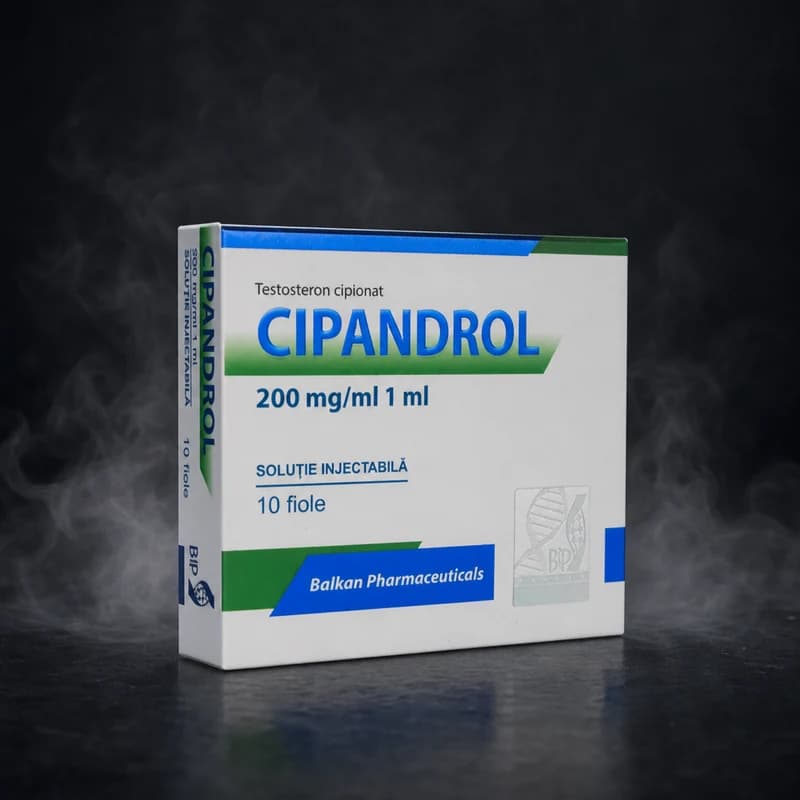
200mg/ml options are ideally suited to TRT-range users and first-cycle bodybuilders who inject 1ml per session, delivering a clean, well-tolerated volume. Cipandrol 200mg/ml 10×1ml Ampoules by Balkan Pharmaceuticals and Cypo-Testosterone 200mg/ml 10ml Vial by Beligas Pharmaceuticals represent this tier. Balkan Pharmaceuticals' ampule format is particularly favoured for its single-use sterility assurance, while the Beligas vial format suits users drawing multiple doses across the week.
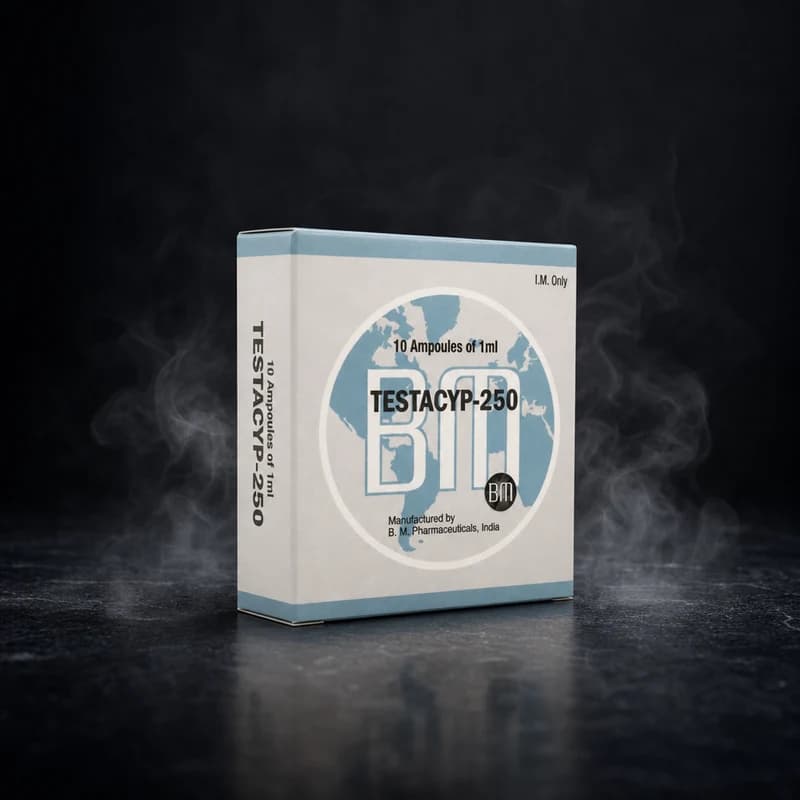
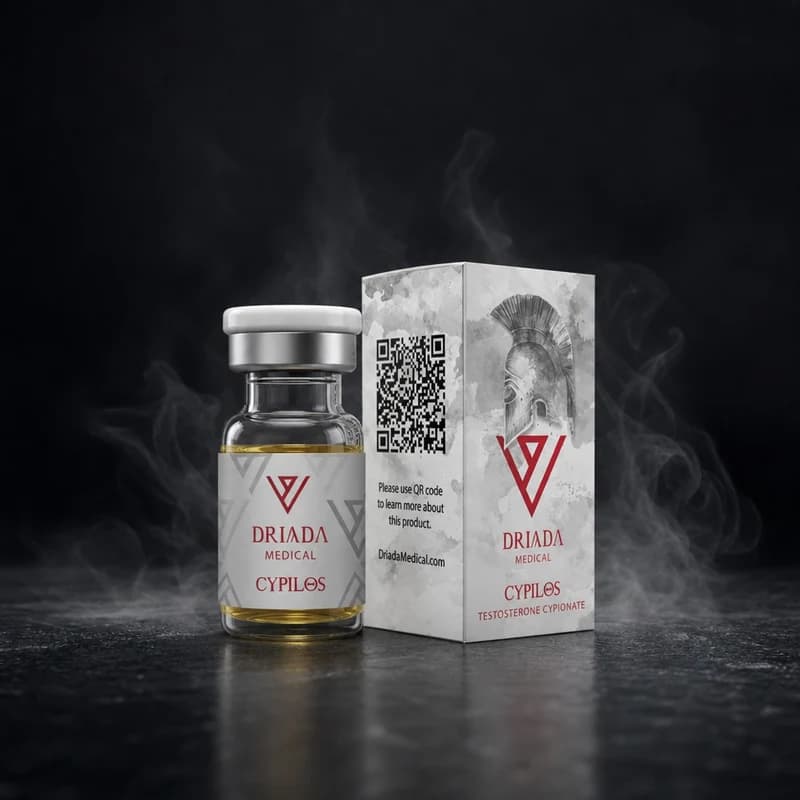
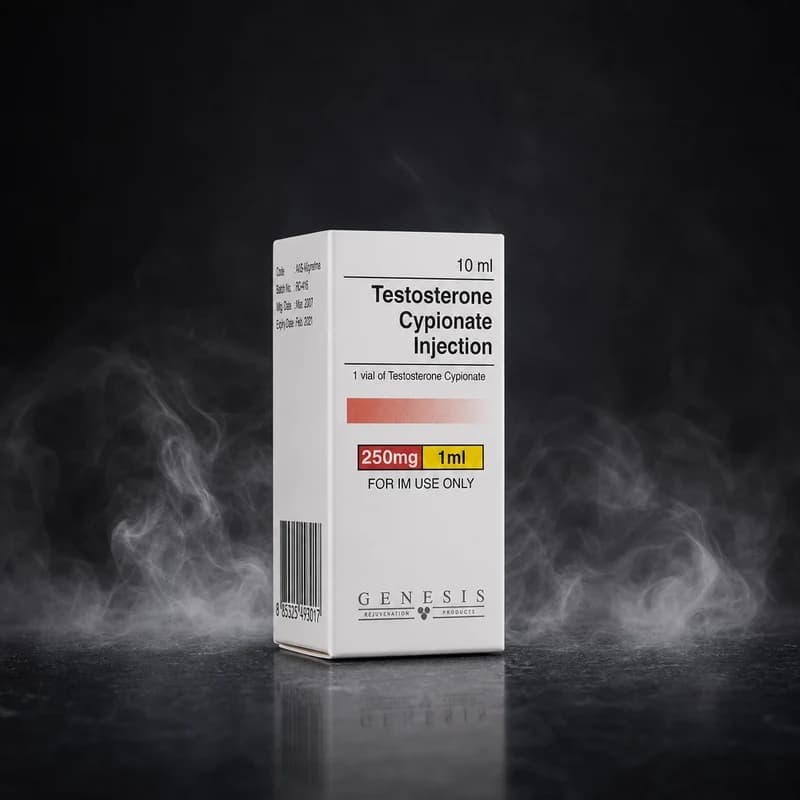
250mg/ml is the most populated concentration in the category and the most widely adopted across both TRT and performance applications. It offers a practical middle ground — 2ml delivers 500mg, the classic introductory performance dose, without excessive injection volume. Testacyp-250 250mg/ml 10×1ml Ampoules by BM Pharmaceuticals exemplifies this segment in ampule form, while Cypionat 250 250mg/ml 10ml Vial by Dragon Pharma and Cypilos 250mg/ml 10ml Vial by Driada Medical offer versatile multi-draw vial options with consistent concentration for multi-week cycles. Users on twice-weekly splits will find 250mg/ml particularly ergonomic.
300mg/ml formulations cater to intermediate to advanced users seeking to reduce injection frequency or volume while maintaining higher weekly totals. These higher-concentration preparations sometimes employ refined carrier oil blends to manage viscosity and post-injection discomfort; prospective users should confirm individual tolerance with a test dose.
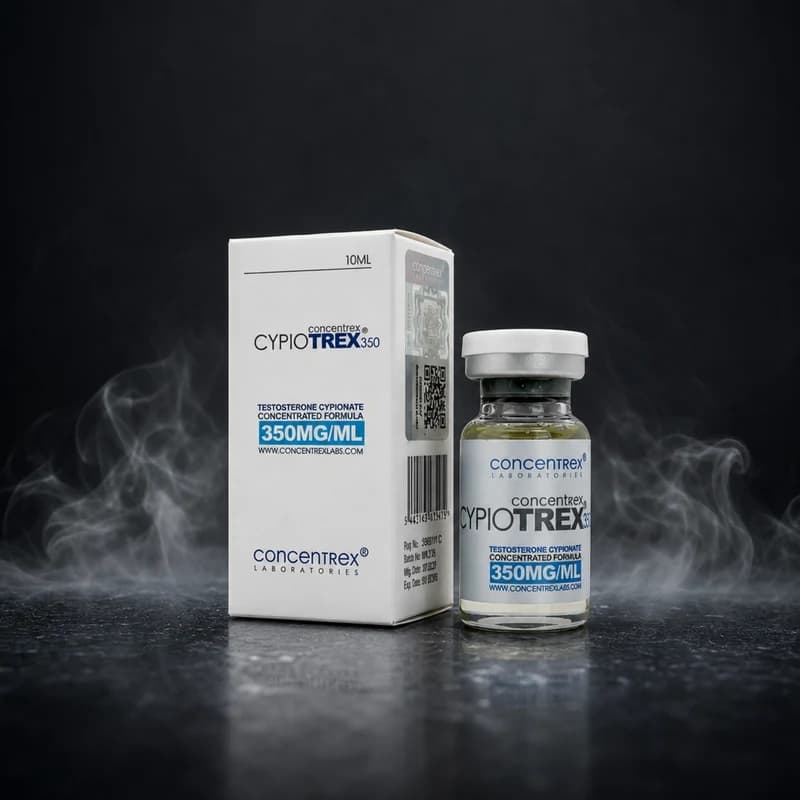
350mg/ml, the highest concentration tier in this range, is exemplified by CypioTrex 350mg/ml 10ml Vial by Concentrex Labs. At this density, a single 2ml injection delivers 700mg of testosterone cypionate — a dose relevant only to advanced users in peak-performance phases. Injection site preparation, adequate warming of the vial, and slow administration technique are particularly important at this concentration to minimise localised discomfort. Across all tiers, 26 products from 26 distinct manufacturers are available, providing meaningful choice in quality, origin, and formulation chemistry.
Frequently Asked Questions
What is the ideal injection frequency for testosterone cypionate?
Testosterone cypionate's approximate 8-day half-life supports once-weekly injections while maintaining relatively stable plasma levels. Many users prefer twice-weekly administrations — splitting the total dose into two equal injections — to further smooth plasma peaks and troughs, reducing the likelihood of oestrogen-related fluctuations and improving overall hormonal consistency throughout the cycle.
How does testosterone cypionate differ from testosterone enanthate?
The primary difference is ester length and molecular weight: cypionate carries a cyclopentylpropionate ester; enanthate carries a heptanoate chain. In practice, their half-lives differ by roughly one day — cypionate approximately 8 days versus enanthate's 7 — making them clinically interchangeable for most protocols. Subtle differences in carrier oil preference and regional availability often determine user choice more than pharmacokinetics.
Which testosterone cypionate concentration should a first-time user choose?
First-time injectable users typically benefit most from a 200mg/ml or 250mg/ml preparation. These concentrations allow standard dose administration in comfortable injection volumes (1–2ml), use well-tolerated oil bases, and are represented by extensively reviewed brands. Higher concentrations like 300mg/ml or 350mg/ml are better reserved for experienced users managing larger weekly totals.


 Established Brand