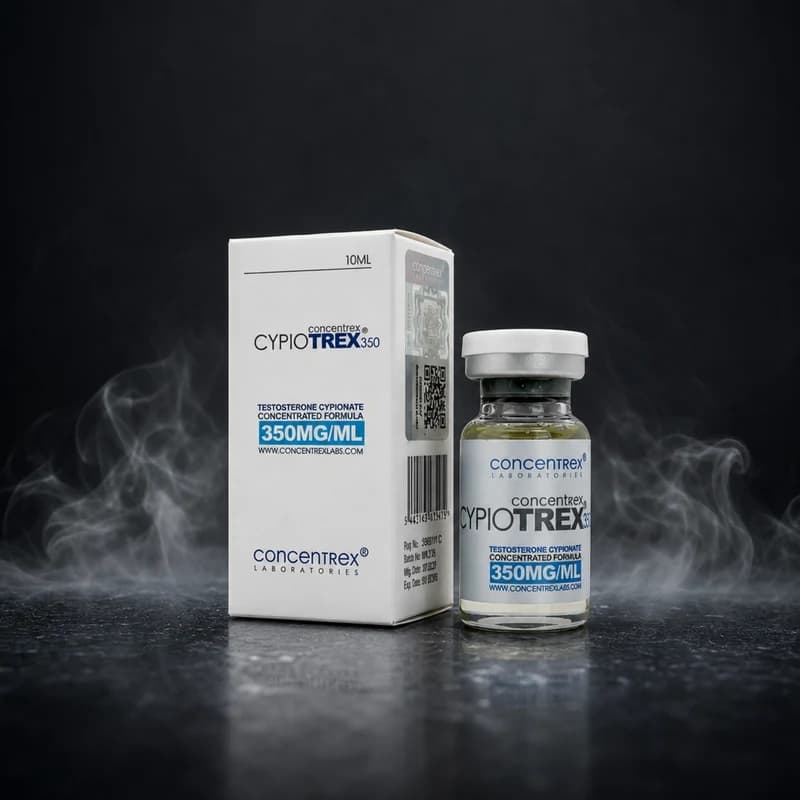
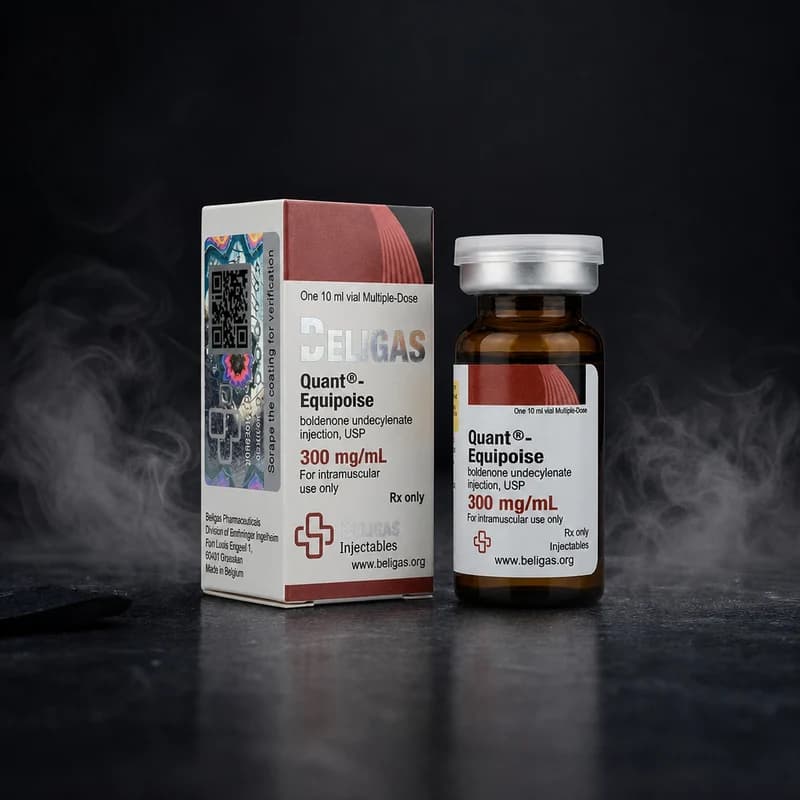
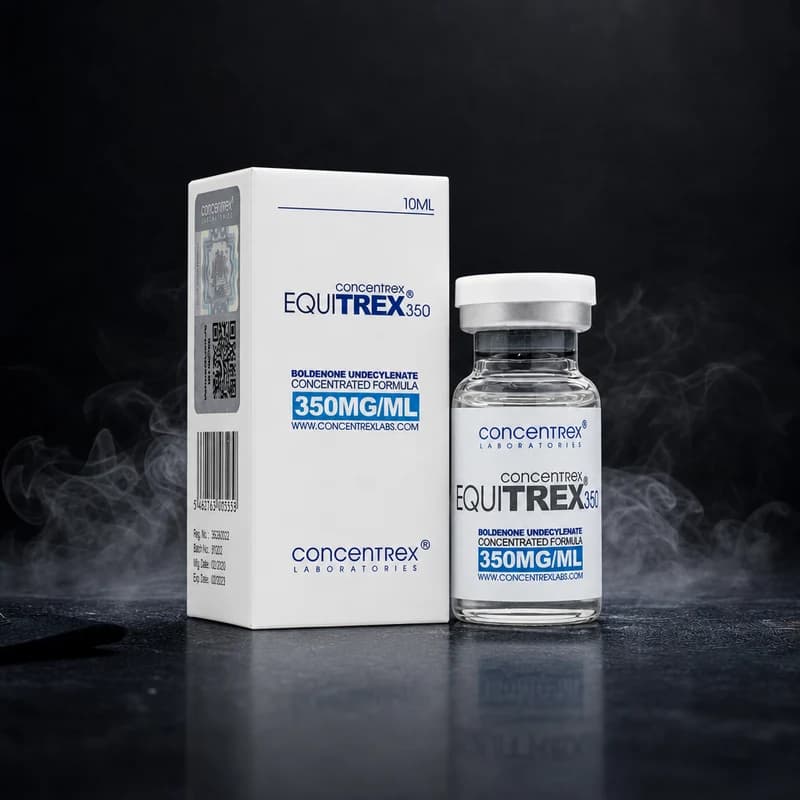
Contraindications: Testacyp-250 is contraindicated in individuals with known or suspected androgen-sensitive carcinoma of the prostate or breast, hypercalcaemia, nephrotic syndrome, or documented hypersensitivity to Testosterone Cypionate or any component of the oil-based carrier. Not indicated for use in women, particularly during pregnancy or lactation, due to virilisation risk. Paediatric use is contraindicated due to premature epiphyseal closure.
Side_Effects: Elevated haematocrit (erythrocytosis), acne, seborrhoea, accelerated androgenic alopecia, and suppression of endogenous HPG axis function are the most commonly reported effects. Aromatisation to oestradiol may produce gynaecomastia, water retention, and elevated blood pressure in susceptible individuals — an aromatase inhibitor may be required. Injection-site reactions including localised pain and oil granuloma are possible; rotate sites systematically.
Monitoring: Serum testosterone (trough and peak where relevant), haematocrit, haemoglobin, liver enzymes (ALT/AST), lipid panel (LDL/HDL ratio), blood pressure, and PSA (in males over 40) should be assessed at baseline and repeated every 6–12 weeks during active use. Given Testosterone Cypionate's ~8-day half-life, trough samples should be drawn 7 days post-injection for an accurate steady-state reading.
PCT: Endogenous testosterone suppression is dose- and duration-dependent. Due to the extended half-life, PCT should not begin until at least 14–18 days after the final Testacyp-250 injection. Standard recovery protocols incorporate SERMs (e.g., Tamoxifen 20–40 mg/day or Clomiphene 50 mg/day) for 4–6 weeks, with hCG optionally integrated during the final weeks of the cycle to prime Leydig cell function before SERM-based recovery.

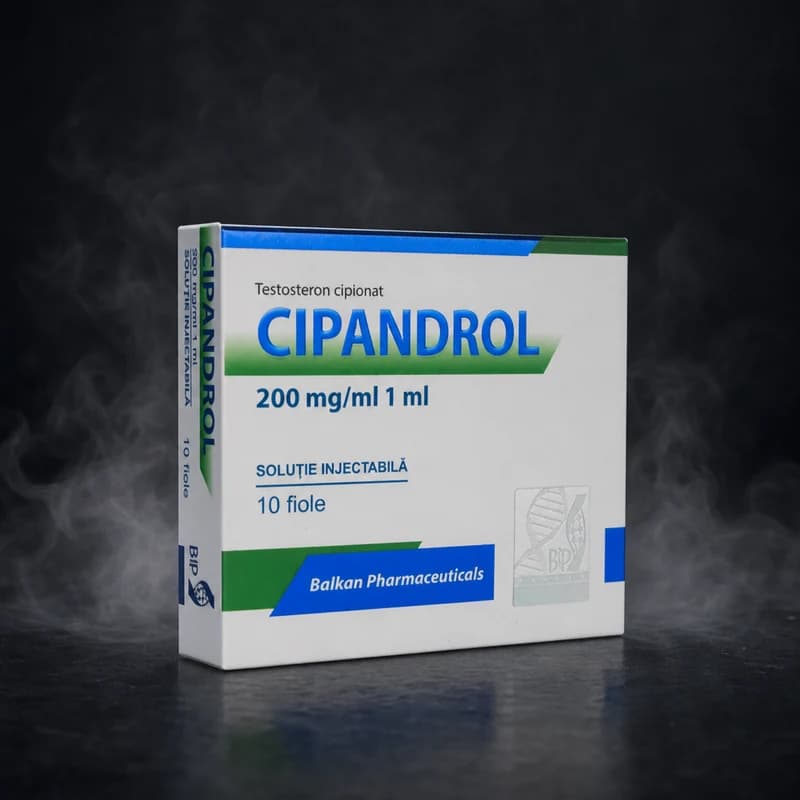 Established Brand