Contraindications: Contraindicated in individuals with known or suspected androgen-sensitive malignancies, including prostate carcinoma and male breast cancer.
Not indicated for use in women of childbearing potential due to virilisation risk mediated by androgen receptor activation in female tissues.
Contraindicated in individuals with hypercalcaemia or pre-existing polycythaemia where erythropoietic AR stimulation would worsen haematological parameters.
Side_Effects: Androgenic: accelerated scalp hair thinning in 5α-reductase-sensitive individuals, acne, increased sebum production via AR activation in sebaceous glands.
Estrogenic: aromatase-mediated conversion to oestradiol may produce gynaecomastia, water retention, and elevated blood pressure without concurrent AI management.
Haematological: testosterone-driven erythropoiesis can raise red blood cell mass and haematocrit, increasing blood viscosity and cardiovascular strain.
Endocrine: exogenous testosterone suppresses LH and FSH secretion through hypothalamic-pituitary negative feedback, leading to testicular atrophy and impaired spermatogenesis during administration.
Monitoring: Serum total testosterone and free testosterone: measured at trough (immediately before next injection) to verify steady-state levels within the target range.
Full blood count including haematocrit: monitored to detect erythrocytosis — therapeutic phlebotomy or dose reduction may be required if levels approach clinically significant thresholds.
Lipid panel and liver function: assessed at baseline and periodically during administration; exogenous androgens may adversely shift HDL/LDL ratios.
Prostate-specific antigen (PSA): baseline and periodic screening in males over 40 or those with elevated androgenic risk profile.
PCT: Initiate a structured post-cycle therapy protocol after confirming serum testosterone has declined sufficiently following the last injection.
SERM therapy (tamoxifen or clomiphene) restores endogenous HPT axis function by competitively blocking oestrogen-mediated suppression at the hypothalamic and pituitary level.
Bloodwork confirmation of recovering LH, FSH, and endogenous testosterone levels guides the duration of PCT — discontinuation based on laboratory data rather than fixed calendar duration.

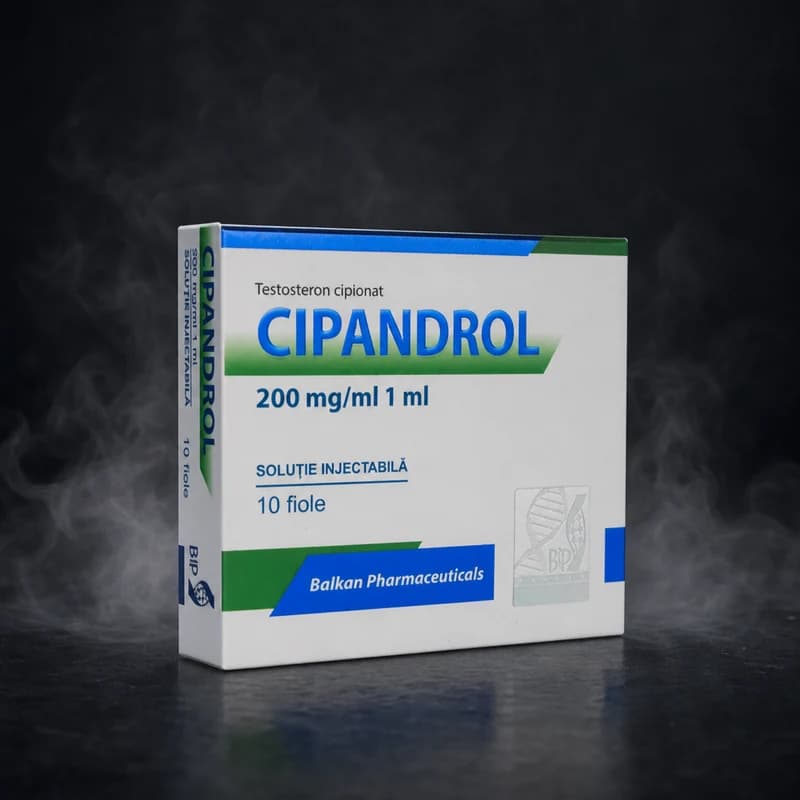 Established Brand