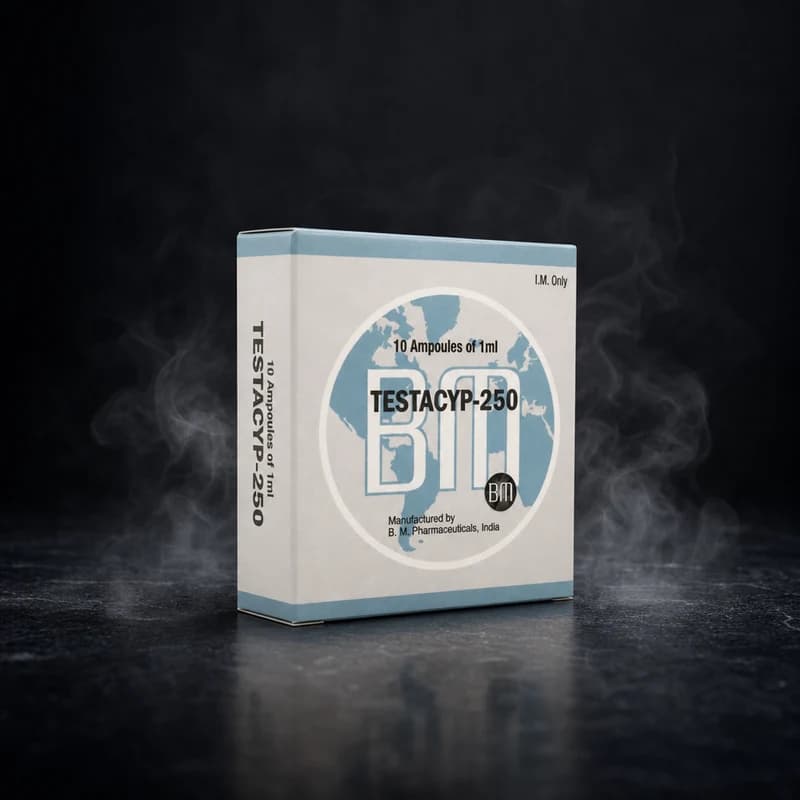
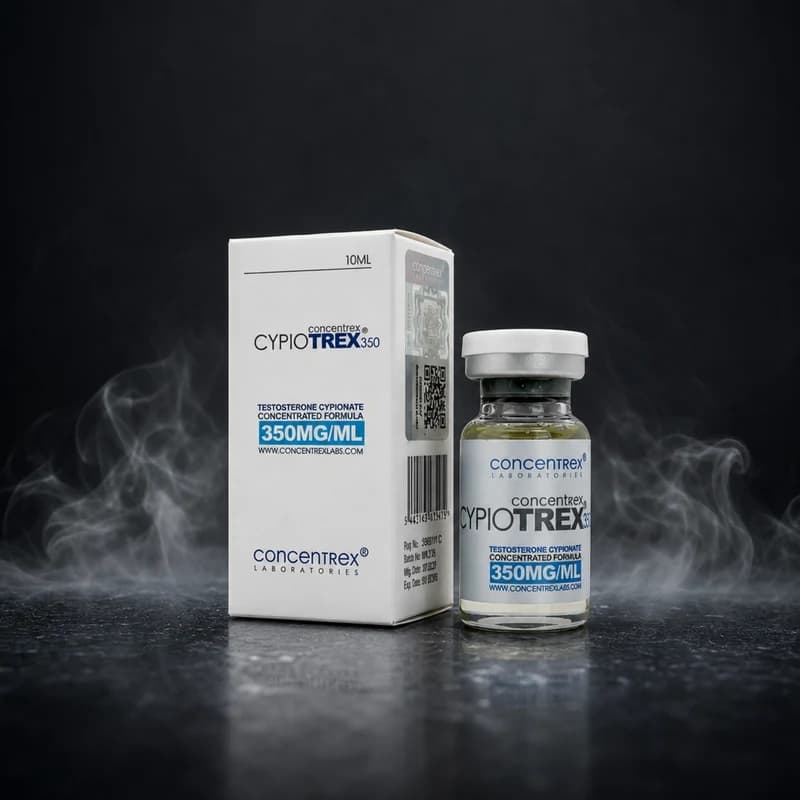
Contraindications: Testosterone Cypionate is contraindicated in individuals with androgen-sensitive malignancies (prostate or breast cancer), severe untreated cardiac disease, polycythaemia, or known hypersensitivity to the active substance or the oil vehicle. Frontloading protocols involving elevated Week 1 doses amplify contraindication risk; exclude any pre-existing erythrocytosis or thrombotic tendency before initiating a loading schedule.
Side Effects: Elevated androgen exposure during the frontload phase may accelerate estrogenic effects — water retention, gynecomastia risk — as aromatisation scales with circulating testosterone concentration. Androgenic effects (acne, scalp sensitivity, increased sebaceous output) may be transiently more pronounced during the loading week. Cardiovascular parameters including blood pressure and haematocrit warrant particular attention in the weeks immediately following a high Week 1 dose.
Monitoring: Obtain baseline bloods (total testosterone, free testosterone, E2, LH, FSH, haematocrit, lipid panel, liver enzymes) before frontloading. Repeat at Week 3 — earlier than a standard mid-cycle check — to capture the pharmacokinetic consequence of the loading dose and permit AI or dose corrections before mid-cycle. Haematocrit elevation is the most common laboratory finding requiring intervention; therapeutic phlebotomy may be indicated if levels rise to a clinically significant threshold.
PCT: Following cessation of Testosterone Cypionate, allow the depot to clear sufficiently before initiating Post-Cycle Therapy; the frontloading approach does not alter the required clearance window before PCT — timing is governed by the cypionate ester's release kinetics from the final maintenance injections, not from the initial loading dose. Standard PCT agents (SERMs such as Nolvadex or Clomid) should be introduced once circulating testosterone has declined to a level permitting HPG-axis response.

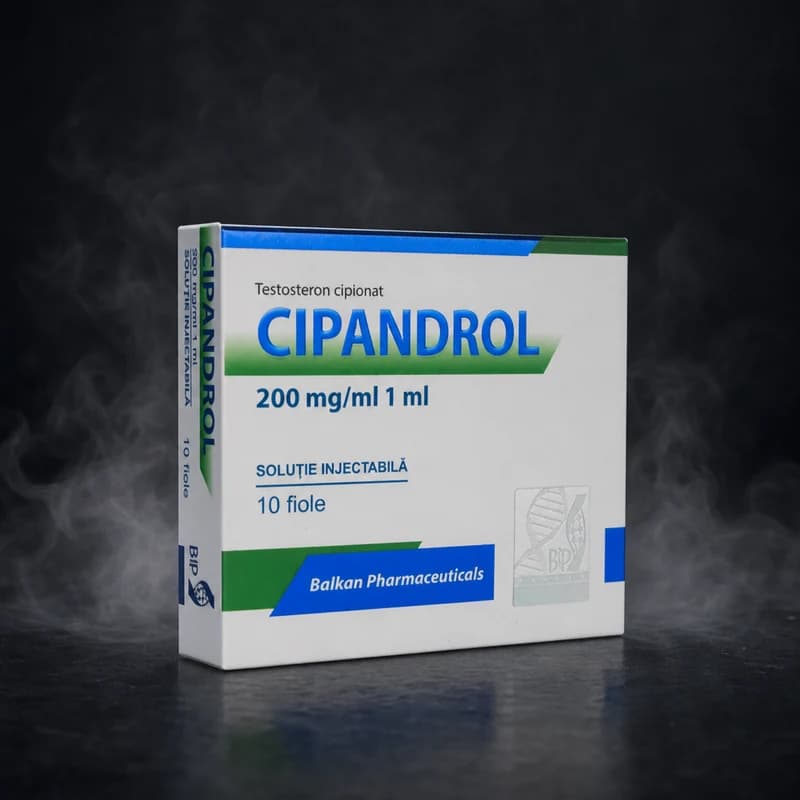 Established Brand