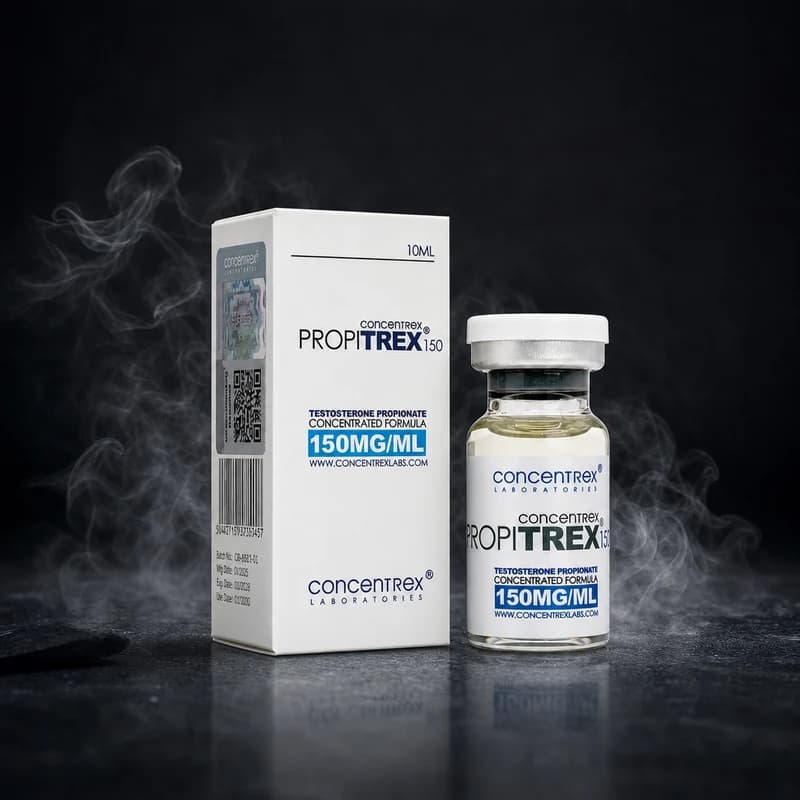
Contraindications: Testosterone Propionate is contraindicated in individuals with known or suspected androgen-sensitive carcinoma of the prostate or breast, in women who are pregnant or may become pregnant, and in those with hypersensitivity to any component of the formulation including the carrier oil. Polycythaemia, untreated severe sleep apnoea, and uncontrolled congestive heart failure represent additional absolute contraindications.
Side_Effects: Androgenic adverse effects include accelerated hair thinning in genetically predisposed individuals, acne, and virilisation in female users. Aromatisation to oestradiol at higher doses may produce fluid retention or gynaecomastia. The EOD injection schedule inherent to propionate's pharmacokinetics increases the cumulative number of injection-site exposures, raising the likelihood of local soreness, nodule formation, or injection-site bruising compared to weekly long-ester protocols.
Monitoring: Haematocrit, haemoglobin, and red cell mass should be assessed at baseline and every 12 weeks; values exceeding 54 % haematocrit warrant dose reduction or temporary cessation. Serum lipid panels (LDL, HDL) and liver enzyme panels provide surveillance data; PSA measurement is recommended for male users over 40 at baseline and at 3-month intervals. Blood pressure monitoring is appropriate throughout the cycle given sodium-retentive effects of androgenic compounds.
PCT: Because the propionate ester clears plasma within approximately 5 days of the final injection (based on its 48–72 hour half-life), post-cycle therapy with a SERM such as tamoxifen or clomiphene can commence promptly — typically 5–7 days after cessation. A standard PCT window of 4 weeks supports endogenous HPG-axis recovery; HCG administered during the final cycle week may accelerate testicular resensitisation before SERM therapy begins.

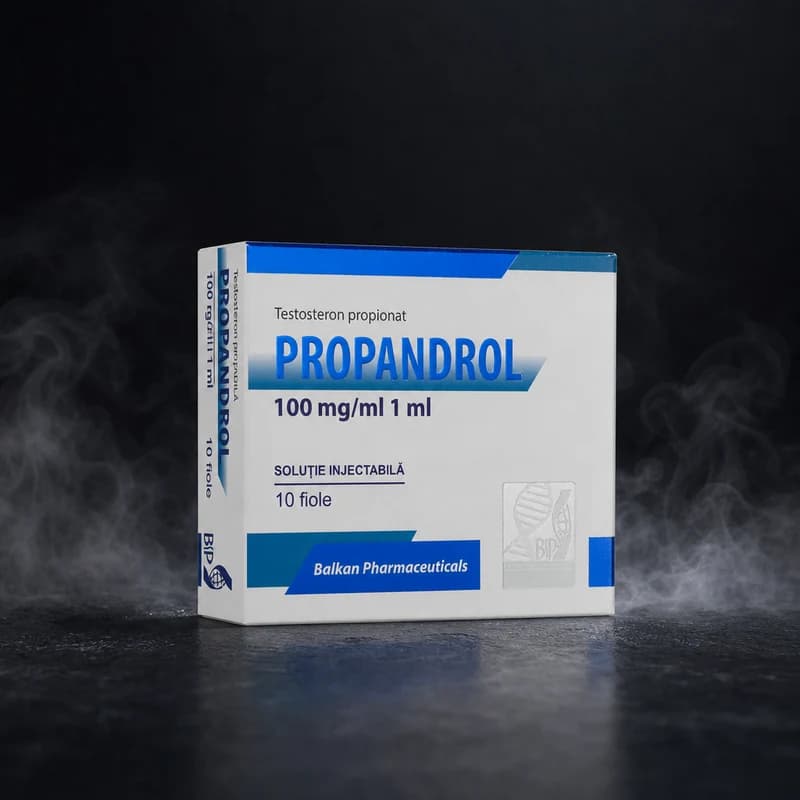 Established Brand