Cruise & Blast Protocol Engineering with Testosterone Propionate
NordiTest P is a fast-acting testosterone injectable that centres the Cruise & Blast methodology by allowing dose escalation and de-escalation to propagate through plasma within days rather than weeks. The Cruise & Blast framework divides long-term androgen use into two alternating modes: a cruise phase maintains circulating testosterone at a physiological or near-physiological ceiling, typically 100–200 mg per week, while a blast phase elevates total weekly androgen load — often 300–500 mg per week — to drive accelerated hypertrophy. Compared to longer-ester testosterone formulations such as enanthate or cypionate, propionate's abbreviated ester chain allows a user to enter and exit a blast with a transitional lag measured in days, not weeks, granting genuine phase separation.
Phase Mechanics: How Propionate Enables Clean Cruise–Blast Transitions
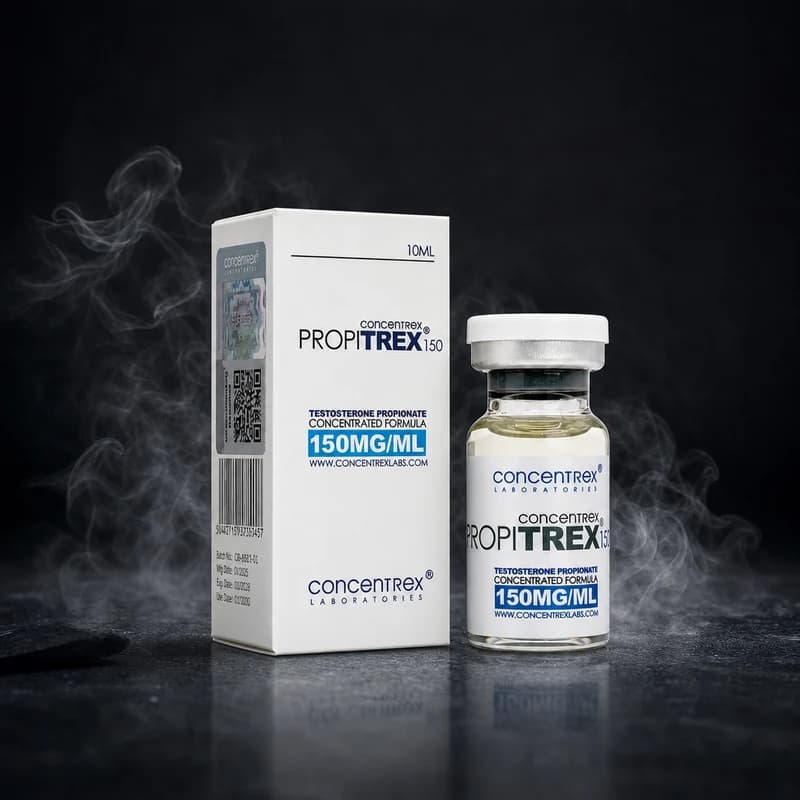
Testosterone Propionate's ester clearance kinetics make it uniquely suited to protocol periodisation. When an athlete steps down from a blast into a cruise, NordiTest P at 150 mg/ml allows precise dose reduction — a 0.67 ml draw delivers exactly 100 mg, a clinically relevant cruise anchor dose documented in testosterone-replacement literature. NordiTest P supports the HPG axis suppression characteristic of blast phases while its short pharmacokinetic tail means endogenous testosterone suppression depth can be modulated more responsively than with depot esters. The blast phase itself benefits from consistent EOD or three-times-weekly injections that maintain supra-physiological plasma concentrations confirmed by plasma testosterone reference ranges established in endocrinology practice.
Cruise Phase Execution: Dose Anchoring and Hormonal Stability
During the cruise phase, total weekly testosterone load is deliberately reduced to minimise aromatase substrate, manage cardiovascular strain markers such as haematocrit and LDL-C, and allow androgen receptor sensitivity partial restoration — a mechanism supported by radioreceptor binding studies showing AR density recovery correlates with time below saturating androgen concentrations. NordiTest P's 150 mg/ml concentration means smaller oil volumes per injection, reducing the local tissue burden associated with frequent administration across a multi-month cruise-to-blast cycling programme. Nordi Pharma subjects each batch to in-process HPLC concentration verification ensuring the declared 150 mg/ml is confirmed analytically, not inferred from raw API input alone.
Transitioning from Cruise to Blast
The shift from cruise to blast with propionate is executed by incrementally increasing the per-injection dose across two to three injection intervals, allowing plasma levels to step up in a controlled, auditable manner rather than the abrupt concentration spike possible with a long-ester loading dose. Nordi Pharma's fill accuracy standard supports this granular dose architecture by ensuring vial-to-vial concentration consistency across a full 10 ml supply.

 Established Brand