What Makes Testosterone Propionate an Incompatibility Risk in Certain Stacks
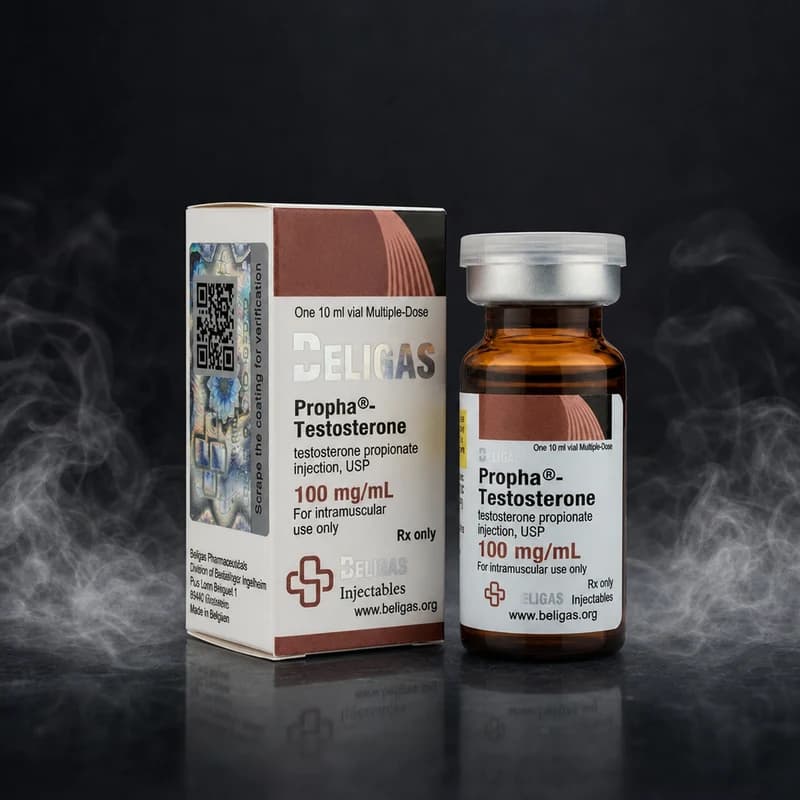
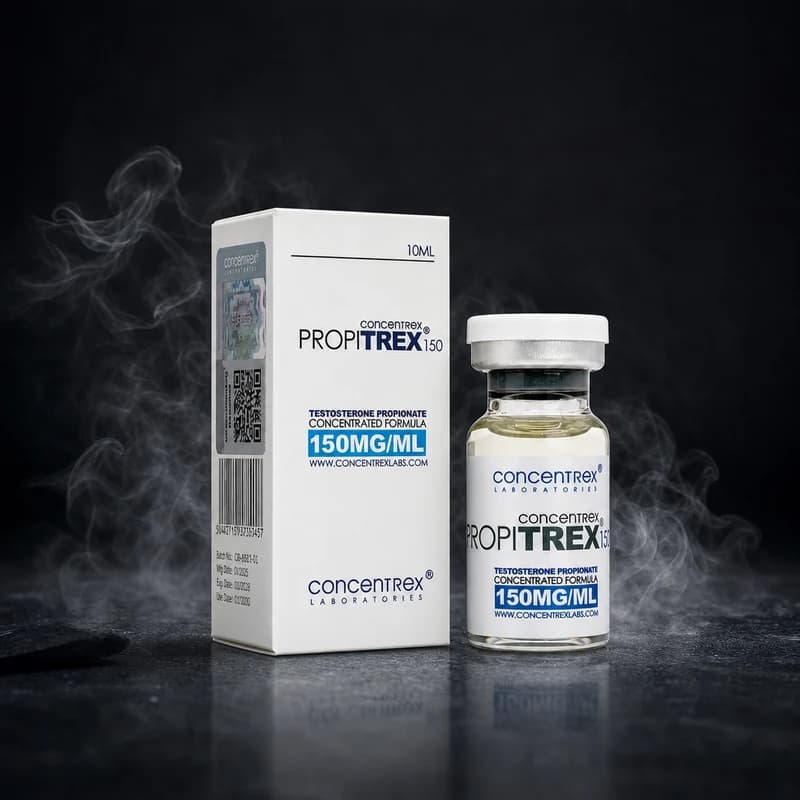
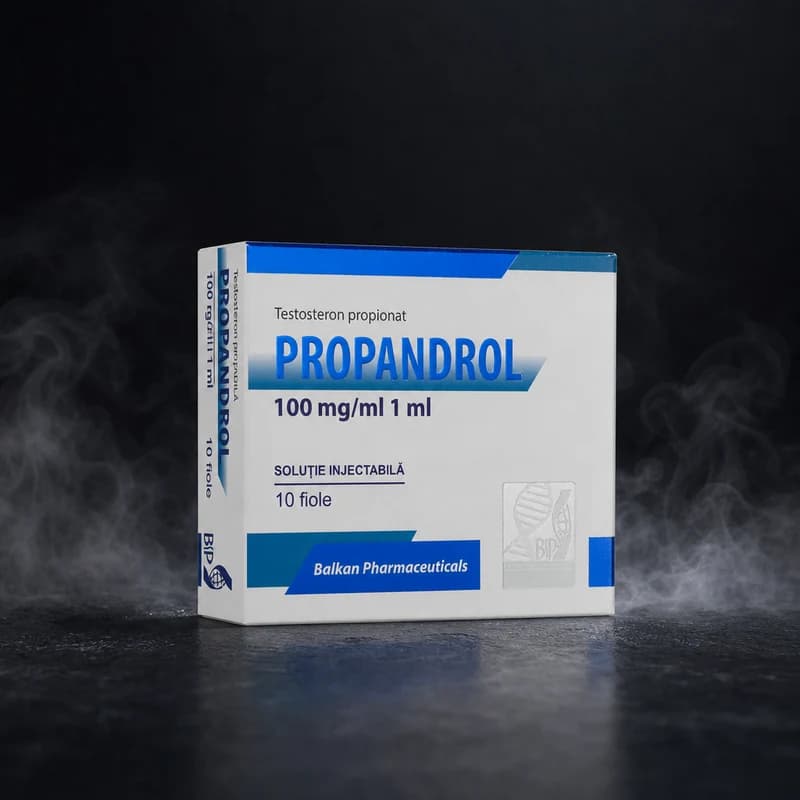
Para Pharma Testo P is a short-ester androgenic compound delivering 100mg of Testosterone Propionate per millilitre across a 10ml vial, examined here specifically through the lens of unfavorable pairings — substances, drugs, and protocols that conflict with its pharmacological profile. Understanding what not to combine is as strategically important as knowing what works, because incompatible agents can amplify estrogenic load, compound hepatic stress, or mask physiological warning signals that would otherwise prompt dose adjustment.
Testosterone Propionate aromatises to oestradiol via the CYP19A1 enzyme, meaning any co-administered compound that is itself an aromatase substrate — testosterone enanthate layered during a transition, high-dose DHEA supplements, or wet oral androgens — stacks aromatase burden additively. When total aromatisable androgen load climbs without proportional AI adjustment, oestradiol-mediated fluid retention and gynaecomastia risk escalate faster than either compound alone would predict. Compared to stacks built exclusively around non-aromatising androgens such as stanozolol, a dual-aromatising stack multiplies substrate competition for the enzyme and is widely flagged in clinical endocrinology literature as a dosing complexity trap.
Hepatotoxic Compounds and the Additive Liver Burden Problem
Certain orals impose significant hepatic stress through 17-alpha alkylation; these include oxymetholone and high-dose methyltestosterone. Pairing them with Testosterone Propionate does not itself make the propionate hepatotoxic, but the combination occupies CYP3A4-mediated clearance pathways simultaneously, which clinical pharmacology studies identify as a mechanism for elevated transaminase (ALT/AST) readings beyond what either agent produces alone. Routine liver function panels — typically at weeks four and eight of any cycle containing both an alkylated oral and an injectable androgen — are the monitoring benchmark endorsed by sports-medicine practitioners. Oxymetholone co-administration represents a particularly high-risk pairing when run beyond six weeks, per hepatotoxicity reviews in the Journal of Sports Science and Medicine.
Substances That Distort Monitoring Markers or Mask Side Effects
NSAIDs taken chronically alongside Testosterone Propionate blunt prostaglandin-mediated renal autoregulation, compounding the fluid-retention tendency testosterone already promotes via aldosterone-related pathways. This interaction is especially consequential for athletes using high-sodium contest-prep diets, where subcutaneous water accumulation is already a primary concern. CNS stimulants — particularly high-dose ephedrine or uncycled caffeine-based thermogenics — artificially suppress appetite signals and elevate resting heart rate in ways that mimic sympathetic overactivation, making cardiovascular monitoring less interpretable during a propionate cycle. Para Pharma's LAL endotoxin and HPLC release data ensure the vial itself introduces no pyrogenic confounders — a meaningful distinction when troubleshooting unexpected systemic responses mid-cycle.

 Established Brand