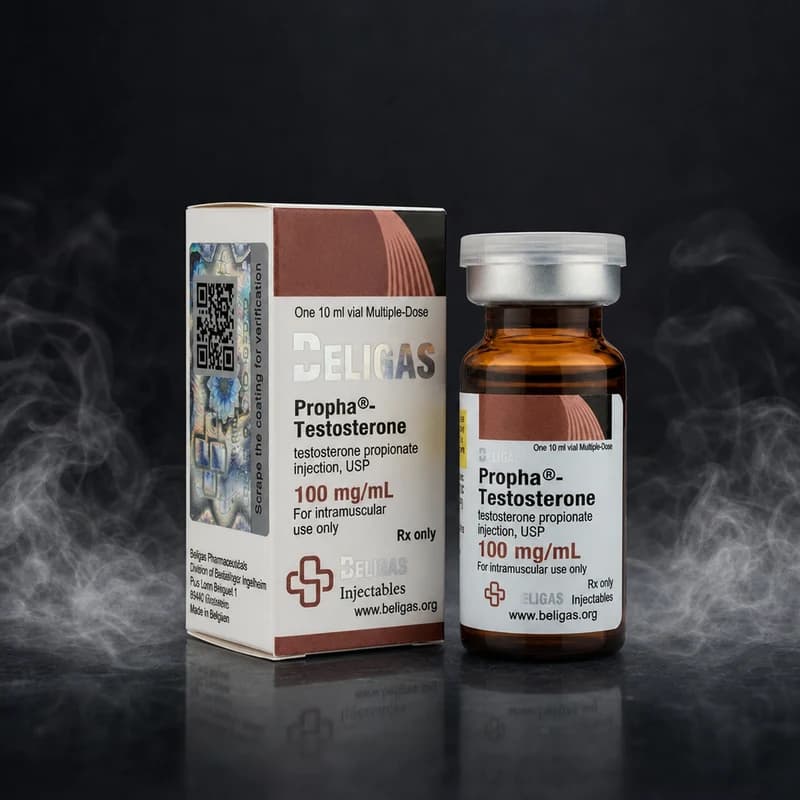
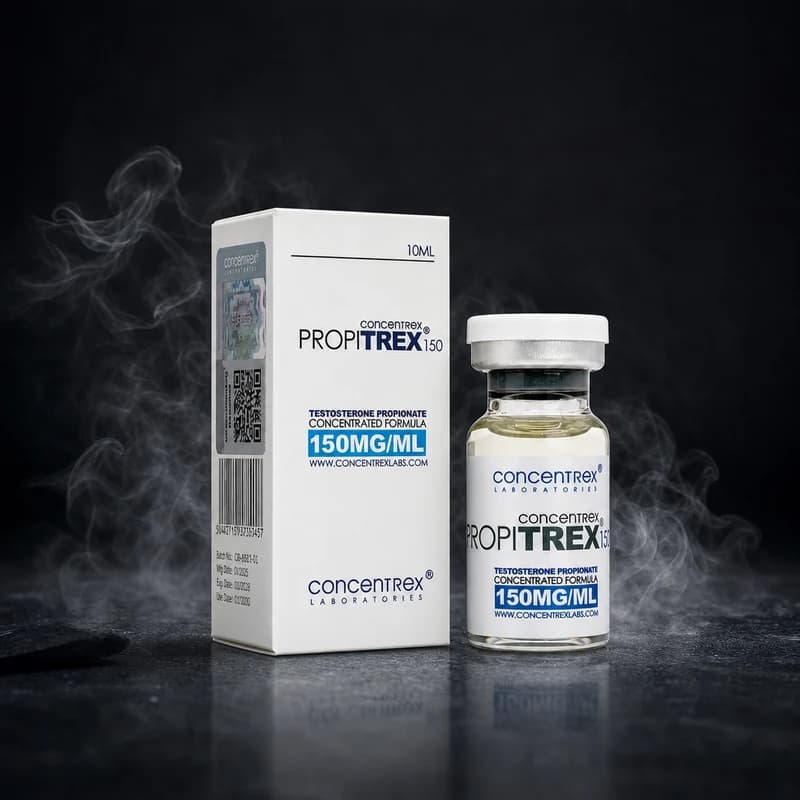
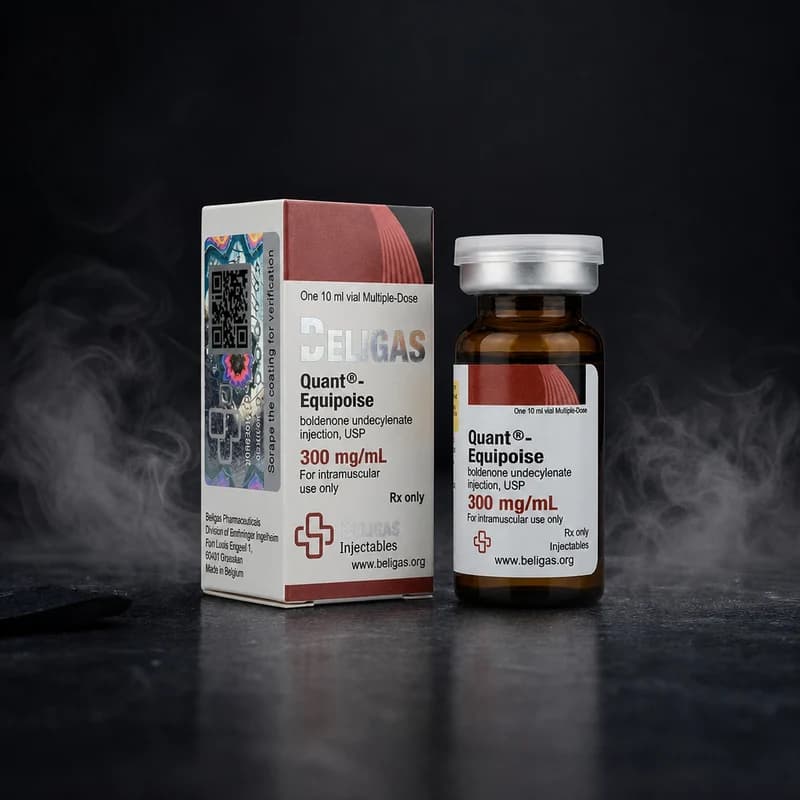
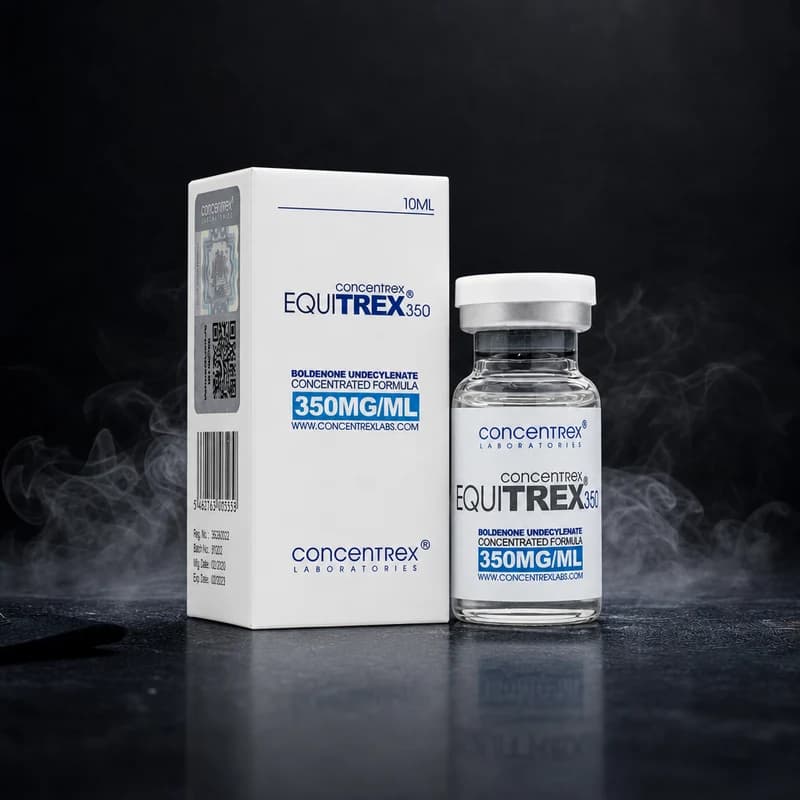
Contraindications: Testosterone Propionate is contraindicated in individuals with androgen-sensitive malignancies (prostate or breast carcinoma), severe uncontrolled cardiovascular disease, polycythaemia, active hepatic impairment, or untreated sleep apnoea. Individuals diagnosed with Type 2 diabetes or metabolic syndrome should obtain endocrinologist clearance before use, as exogenous androgen administration can alter glycaemic regulation in unpredictable ways in already compromised insulin-signalling environments.
Side Effects: Androgenic effects include accelerated sebum production, acne, and androgenic alopecia in genetically predisposed users. Aromatisation to oestradiol may cause fluid retention and gynaecomastia; an aromatase inhibitor should be on hand. Erythrocytosis (elevated haematocrit) and suppression of HDL cholesterol are dose-dependent cardiovascular risk factors. Injection-site post-injection pain (PIP) is more common with propionate than with longer esters due to the shorter acid chain.
Monitoring: Check haematocrit at baseline and at cycle midpoint — values exceeding 52% warrant dose reduction or therapeutic phlebotomy. Lipid panels (HDL, LDL, triglycerides), liver enzymes (ALT/AST), blood pressure, and fasting glucose should be assessed at baseline, mid-cycle, and post-PCT to detect adverse metabolic drift early. Blood pressure self-monitoring twice weekly is advisable during any testosterone cycle.
PCT: Suppression of endogenous testosterone production begins within days of the first injection. A structured PCT using a SERM (e.g., Nolvadex or Clomid) should commence once testosterone propionate has cleared — typically three to five days after the last injection, given the short ester half-life. PCT duration of four to six weeks is standard; follow with a post-PCT bloodwork panel confirming LH, FSH, and total testosterone recovery.

 Established Brand