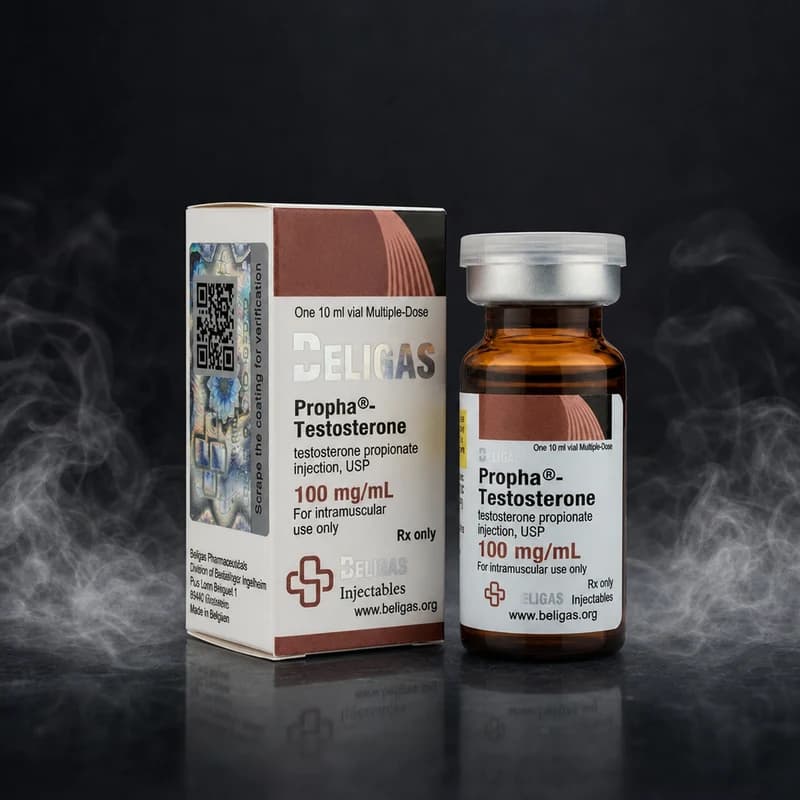
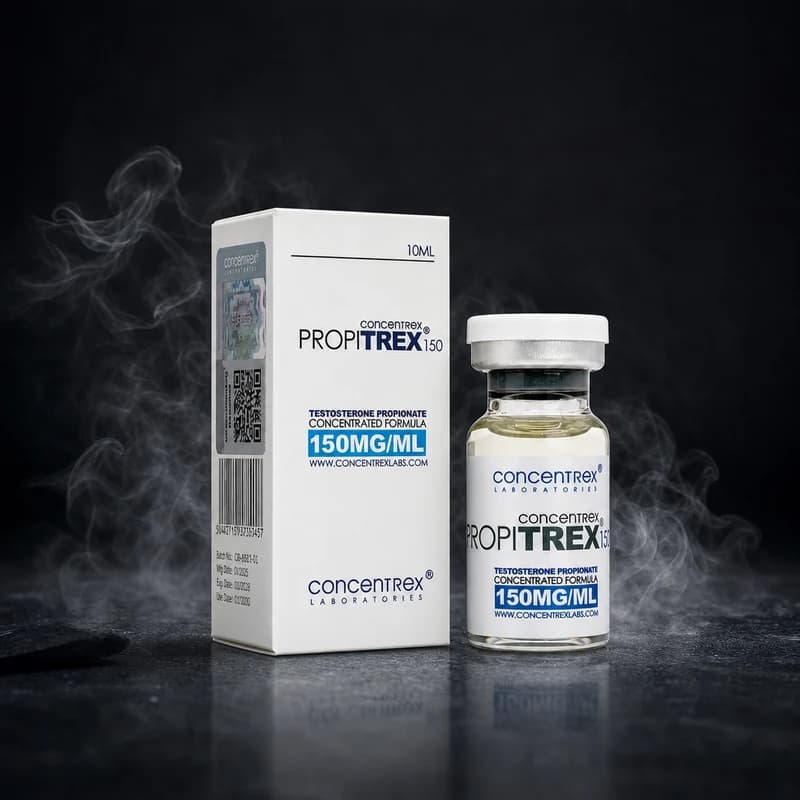
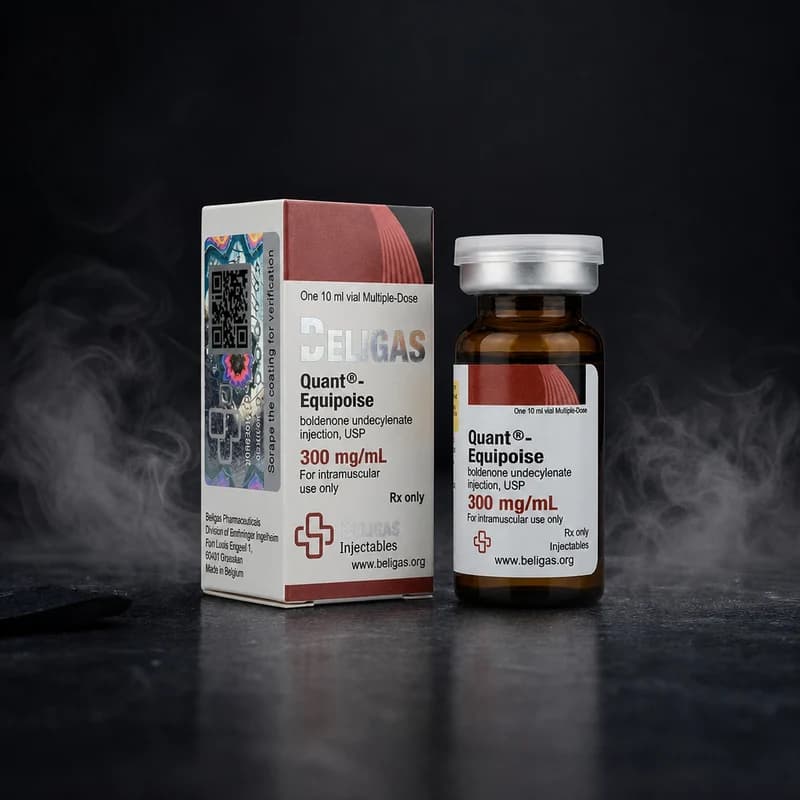
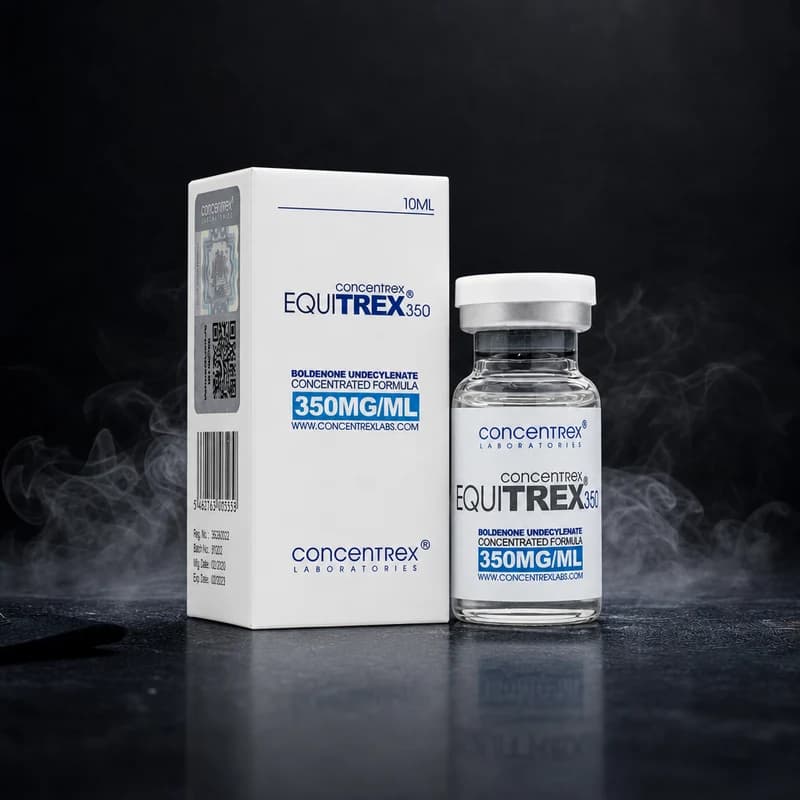
contraindications: Not for use in individuals with known androgen-sensitive neoplasms, active polycythaemia, severe hepatic impairment, or untreated obstructive sleep apnoea. Women who are pregnant or may become pregnant must not use this product. Individuals with a personal or family history of prostate conditions should obtain urological clearance before initiating any androgen protocol.
side_effects: Androgenic effects including accelerated scalp hair loss, acne, and body hair growth are dose-dependent and relate to 5-alpha reductase conversion to dihydrotestosterone. Estrogenic effects — including water retention and gynaecomastia — arise from aromatase-mediated conversion and are manageable with appropriate aromatase inhibitor use. Haematological changes (elevated haematocrit) require monitoring; injection-site reactions including localised swelling and post-injection pain have been reported specifically with propionate-ester compounds.
monitoring: Serum total testosterone, LH, FSH, oestradiol, haematocrit, lipid panel, and PSA (in men over 40) should be assessed before cycle initiation and at 6-week intervals during active use. Androgen receptor desensitization does not produce a direct biomarker but is inferred clinically from training plateau data correlated with stable or elevated serum testosterone values — a distinction between pharmacodynamic and pharmacokinetic failure that monitoring should help clarify.
pct: Because Testosterone Propionate clears rapidly, SERM-based post-cycle therapy (tamoxifen 20mg/day or clomiphene 50/25mg/day) can be initiated within 3–5 days of the final injection. Off-cycle duration should be at least equal to the active cycle length to support meaningful androgen receptor density recovery. Bloodwork at 4 weeks post-PCT confirms HPG axis restoration before any subsequent cycle is considered.

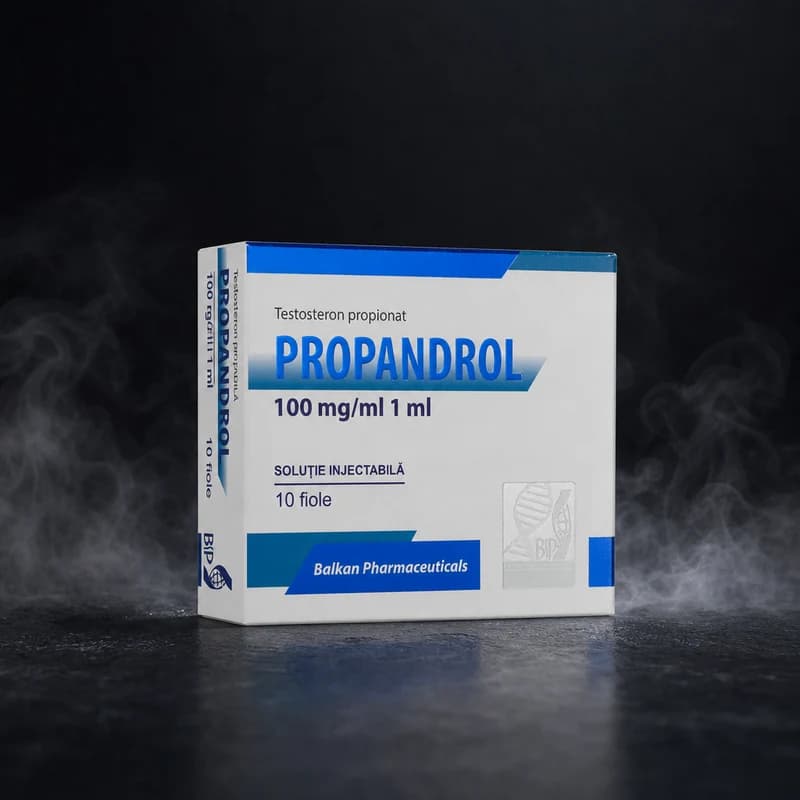 Established Brand