What Lab Verification Actually Means for Injectable Testosterone Propionate
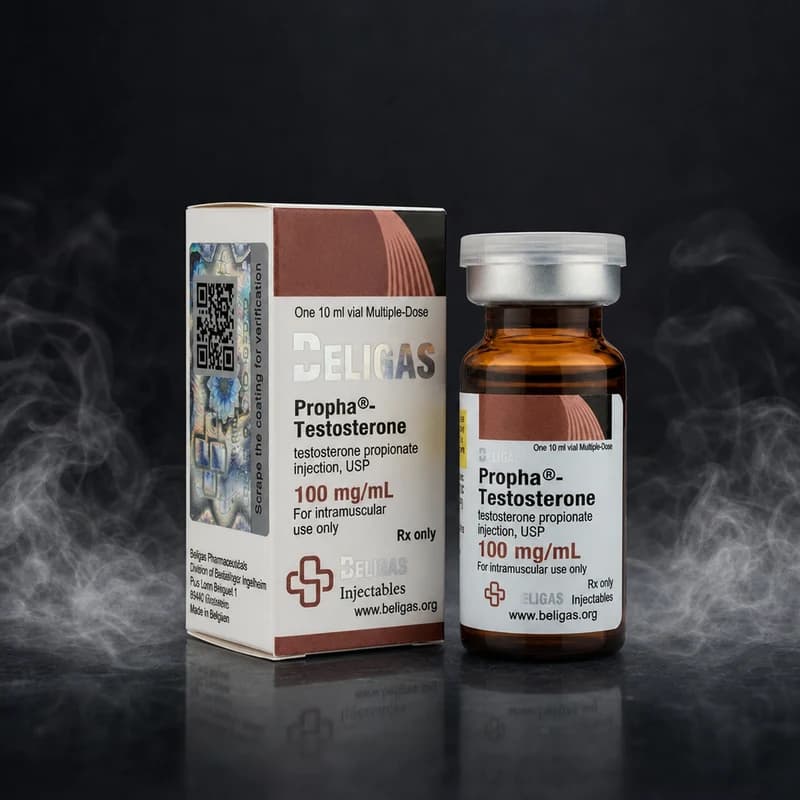
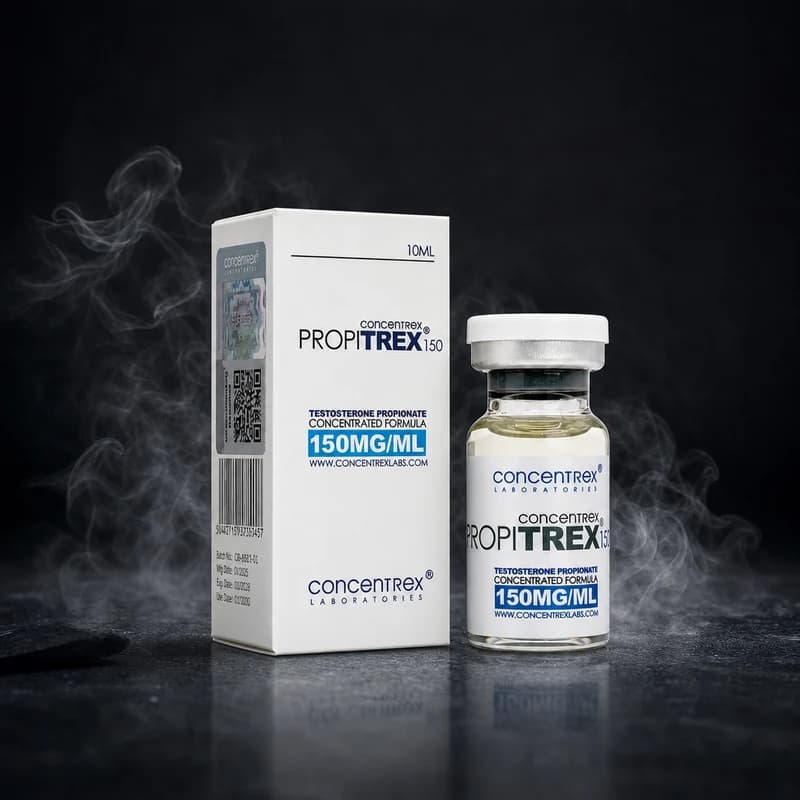
Elite Pharm Propionate 150 is a batch-release-verified testosterone propionate injectable, where analytical clearance — not process assumption — defines each unit's fitness for use. At 150mg/ml in a 10ml vial, it represents the upper concentration tier in the propionate segment; that higher loading makes concentration accuracy especially consequential, because a 5% potency deviation at 150mg/ml produces a larger absolute milligram error per draw than the same percentage deviation at 100mg/ml.
Reversed-phase HPLC analysis measures the testosterone propionate concentration in each batch against a validated reference standard, confirming that the declared 150mg/ml falls within the accepted tolerance window. HPLC separates the active ester from degradation products, residual solvents, and process-related impurities — providing purity data, not just bulk potency. Compared to visual inspection or general process certificates, HPLC delivers compound-specific quantification tied to the actual production lot.
LAL Endotoxin Testing and Why It Matters for Parenteral Safety
The Limulus Amebocyte Lysate (LAL) test detects bacterial endotoxins — lipopolysaccharide fragments shed by gram-negative bacteria — at concentrations below the threshold that sterility culture methods can reliably resolve. Elite Pharm applies LAL endotoxin quantification to Propionate 150 at batch level, with results measured against the parenteral acceptance limits defined in pharmacopoeial monographs. An injectable oil solution passing LAL criteria meets the same endotoxin-control standard referenced in clinical-grade parenteral manufacturing, independent of whether a sterility culture was also run.
Both analytical gates — HPLC potency and LAL endotoxin — are documented at lot level. Each 10ml vial carries a batch number that references this paired dataset, so the quality identity of any given unit is retrievable and specific rather than inferred from a standing facility certificate.
Practical Implications of 150mg/ml Concentration Under HPLC Control
At 150mg/ml, a precisely measured 0.67ml draw delivers 100mg of testosterone propionate — a clinically relevant dose volume that keeps per-injection oil load moderate while maximising dose-per-draw efficiency. HPLC-confirmed potency at this concentration means that every draw of that volume reliably delivers the intended androgenic load, with no correction factor required for underdeclared batches. For athletes running every-other-day injection schedules, consistent potency across consecutive draws from the same vial directly supports predictable androgen exposure management.

 Established Brand