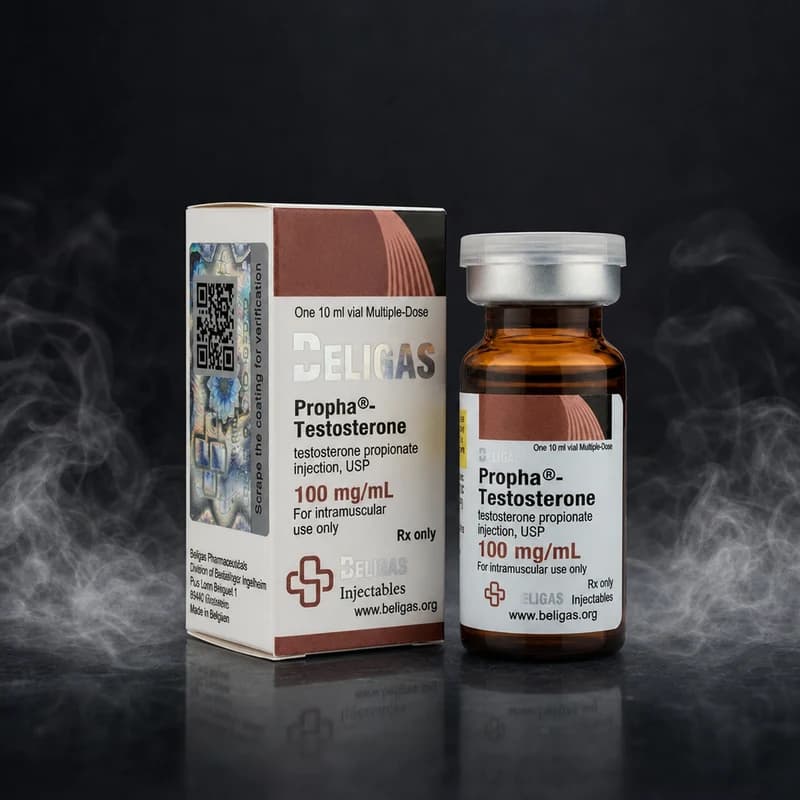
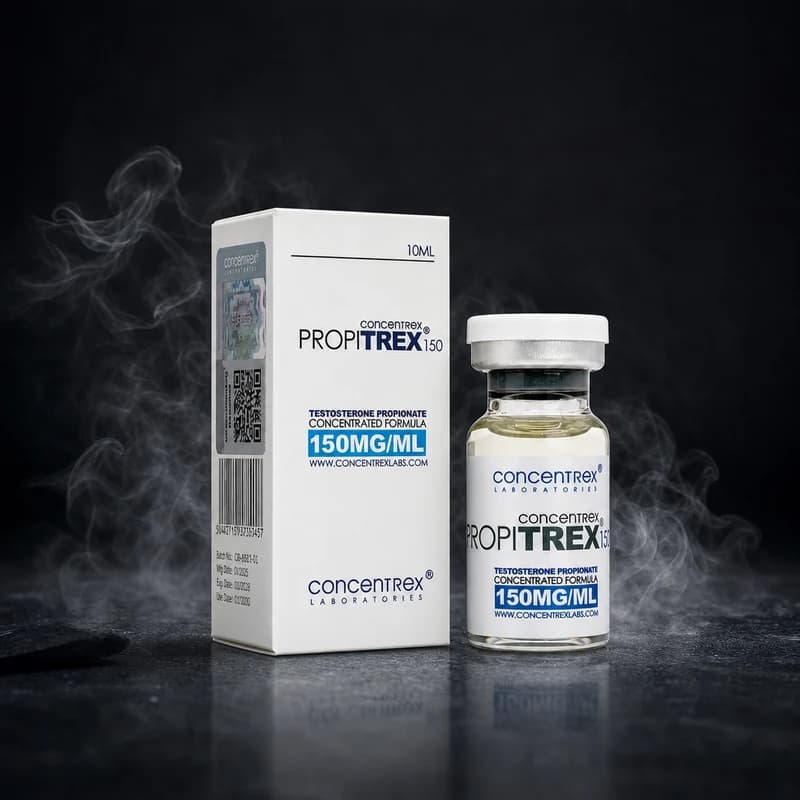
Contraindications: Testover P is contraindicated in individuals with active or suspected androgen-sensitive malignancies (prostate or breast carcinoma), severe hepatic impairment, uncontrolled polycythaemia, and known hypersensitivity to testosterone or any excipient. Female patients of reproductive age must not use this preparation. Men with untreated obstructive sleep apnoea require specialist evaluation before initiating androgen therapy of any kind.
Side_Effects: Androgenic side effects include accelerated alopecia in genetically predisposed individuals, acne vulgaris, and increased sebaceous gland activity. Oestrogen-mediated effects — gynaecomastia and subcutaneous fluid retention — result from aromatase conversion of free testosterone and are addressed through appropriate aromatase inhibitor use. Injection-site discomfort, transient local inflammation, and post-injection pain (PIP) occur more frequently with propionate than with long-ester formulations, attributable to the propionate salt's comparatively lower pH in oil solution.
Monitoring: Serum testosterone (total and free), estradiol (sensitive assay), haematocrit, haemoglobin, LH, FSH, PSA (men over 40), lipid panel (LDL-C, HDL-C), and hepatic transaminases should be assessed at baseline and every 6–8 weeks during an active cycle. Blood pressure should be self-monitored weekly. Haematocrit exceeding 54% warrants immediate dose reduction and clinical review.
PCT: Testosterone Propionate's rapid systemic clearance after the final injection allows SERM-based post-cycle therapy — typically tamoxifen 20–40mg/day or clomiphene 50mg/day — to begin within 3–5 days of the last dose. A standard PCT duration of 4–6 weeks is appropriate following cycles of 8–12 weeks. LH and FSH recovery should be confirmed by bloodwork 4–6 weeks into PCT before discontinuing SERM support.

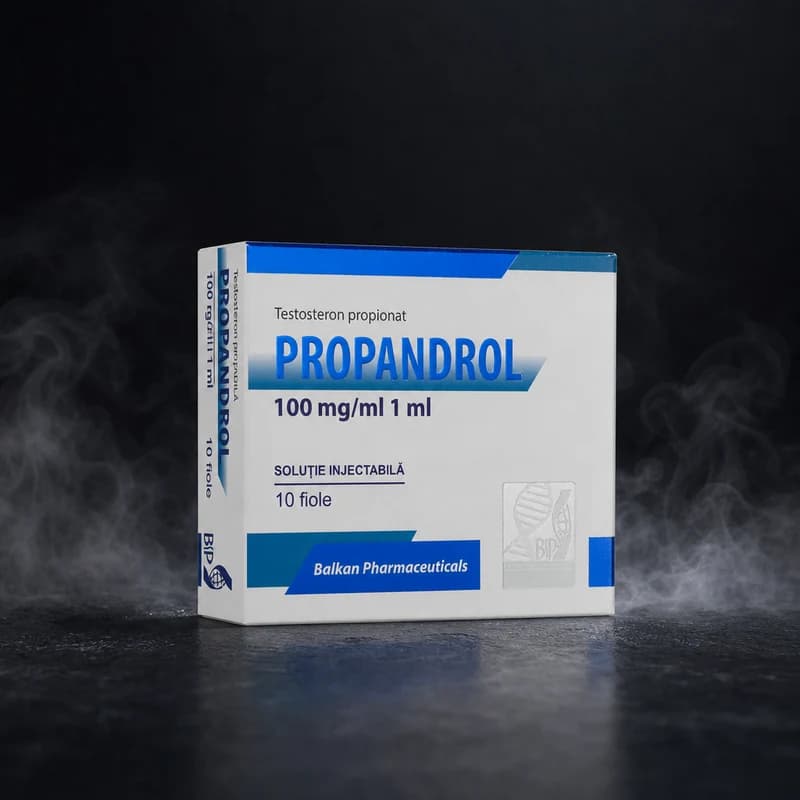 Established Brand