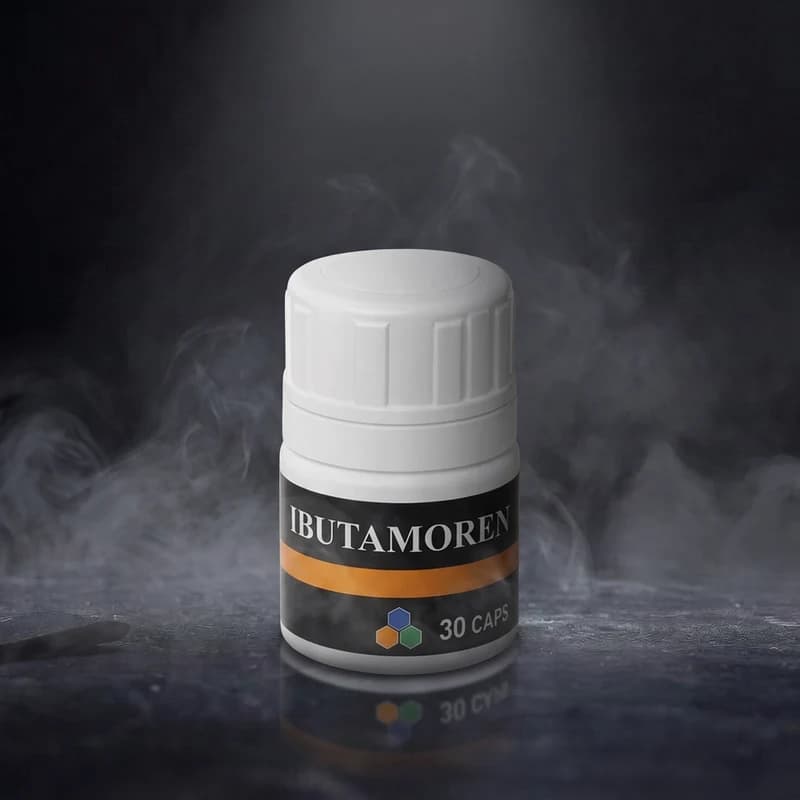
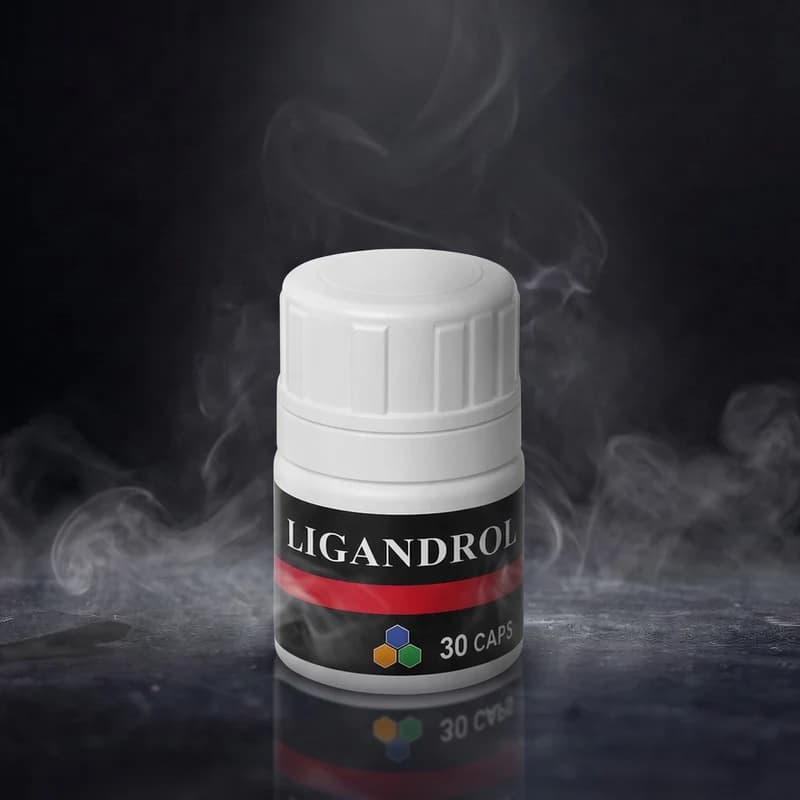
SARMs (Selective Androgen Receptor Modulators) are non-steroidal androgen receptor ligands that produce tissue-selective anabolic effects in muscle and bone without triggering the androgenic effects of classical steroids on the prostate and skin to the same extent.
Mechanism of Selectivity
SARMs bind to the androgen receptor as partial or full agonists; their selectivity is based on tissue-specific coactivator recruitment — in muscle and bone the anabolic signaling pathway is activated, while in the prostate and sebaceous glands activation is significantly weaker. Structurally, the steroid backbone is absent, meaning SARMs do not aromatize to estrogen and are not reduced to DHT. Some degree of HPTA suppression still occurs in a dose-dependent manner. Cardarine (GW-501516) and Ibutamoren (MK-677) are technically not SARMs: Cardarine is a PPARδ agonist that acts on fatty acid oxidation, while Ibutamoren is a ghrelin receptor agonist that increases GH and IGF-1 secretion.
Product Range by Active Substance
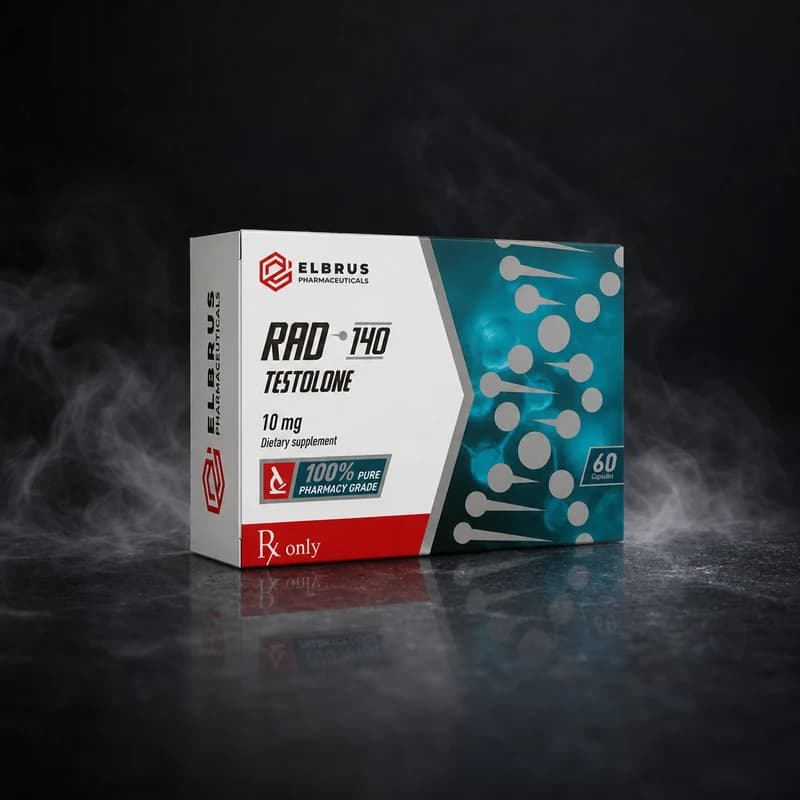
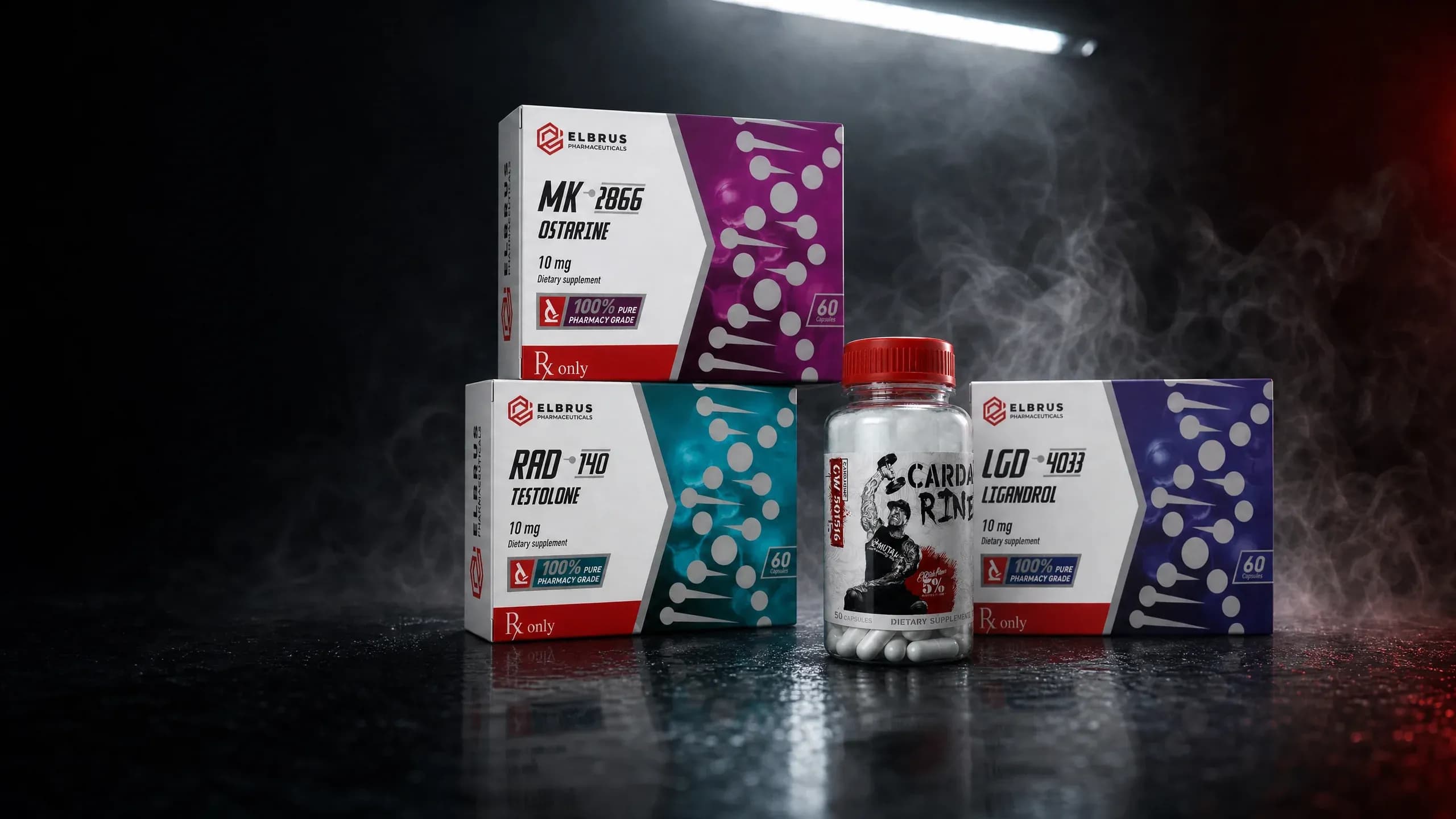
The range comprises 11 products across 6 active substance groups: Ostarine (MK-2866) — the most extensively studied substance with clinical data through Phase III — and Ligandrol (LGD-4033) as a more potent muscle-building ligand, Testolone (RAD-140) with the highest anabolic potency in the group, Andarine (S-4) as a short-acting older SARM, as well as Cardarine and Ibutamoren as complementary non-SARM options.
Application Context and Status
SARMs are not approved as pharmaceuticals and are partially still in clinical development (Ostarine, Ligandrol). Application contexts include muscle-building protocols with a reduced androgenic side effect profile and phases where aromatization is to be avoided. Despite the absence of aromatization, a concluding PCT should be planned for suppressive substances (Ligandrol, Testolone); lipid and liver values should be monitored.
Frequently Asked Questions
Are SARMs safer than classical steroids?
SARMs do not aromatize to estrogen and act in a tissue-selective manner — androgenic side effects such as prostate strain and hair loss are weaker than with steroids. "Safer" is relative, however: long-term data are lacking, HPTA suppression and lipid deterioration are documented, and no substance holds pharmaceutical approval for this application.
Which SARM is considered the most beginner-friendly option?
Ostarine (MK-2866) has the most extensive clinical data, moderate suppression, and a half-life of ~24 hours that allows once-daily dosing. Ligandrol and Testolone are more potent but cause greater suppression and require more rigorous post-cycle therapy.
Why are Cardarine and Ibutamoren grouped with SARMs?
Both substances are commercially grouped with SARMs, but act through different receptors: Cardarine via PPARδ (fat metabolism, endurance), Ibutamoren via the ghrelin receptor (GH/IGF-1 release). Neither substance suppresses the androgen axis — PCT is not required for either of these two.

 HPLC Verified